











Green roofs: there’s a right way to do it!
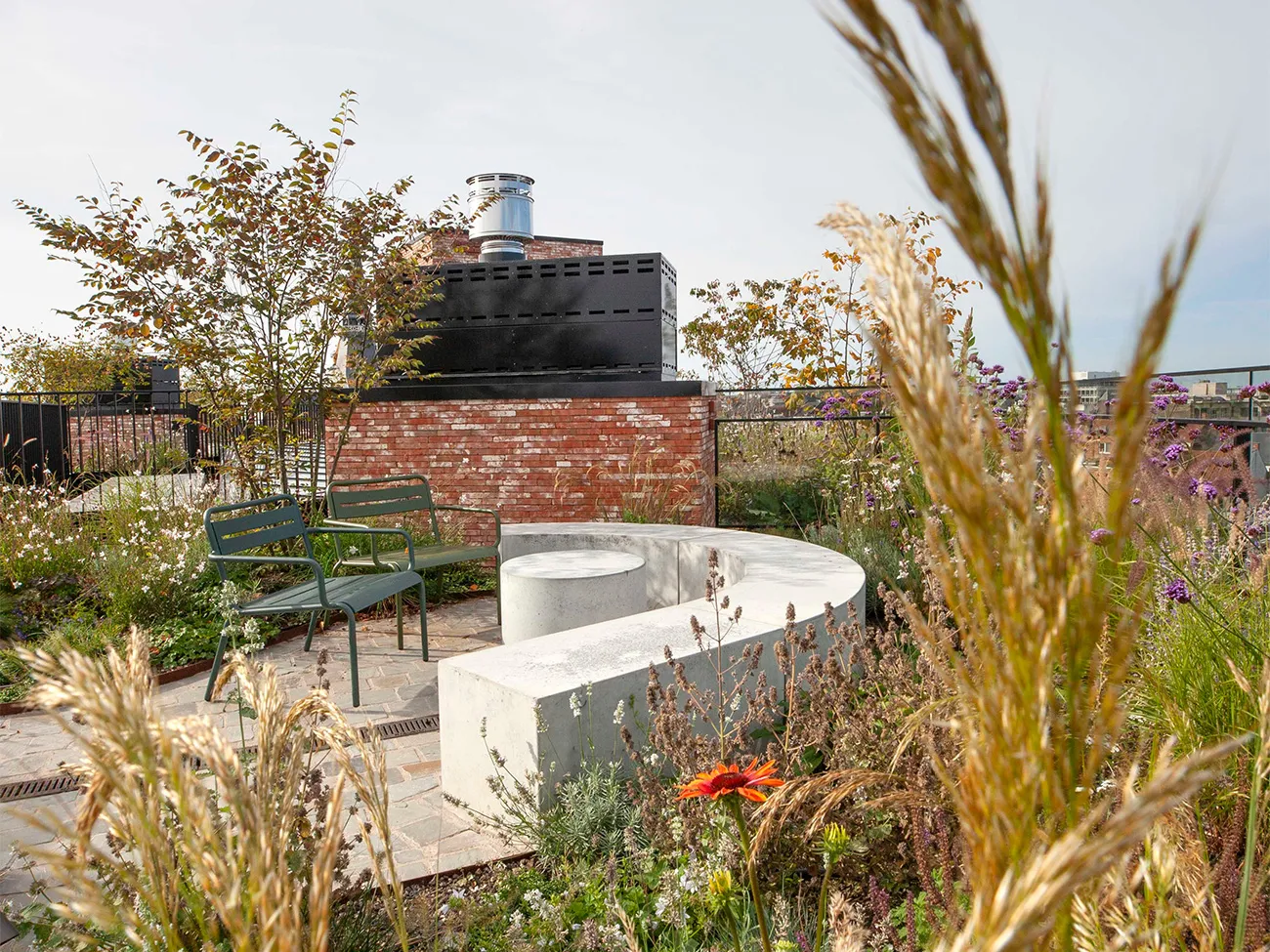
Extensive, intensive or semi-intensive, green roofs are increasingly popular in our country. Growth in this market, and in the green façade market, which is often served by the same contractors, has been confirmed by the recent creation of the Belgian Federation for Green Roofs and Façades. It was launched in May under the umbrella of the Construction Confederation, in collaboration with the Belgian Greenery Federation (BFG).
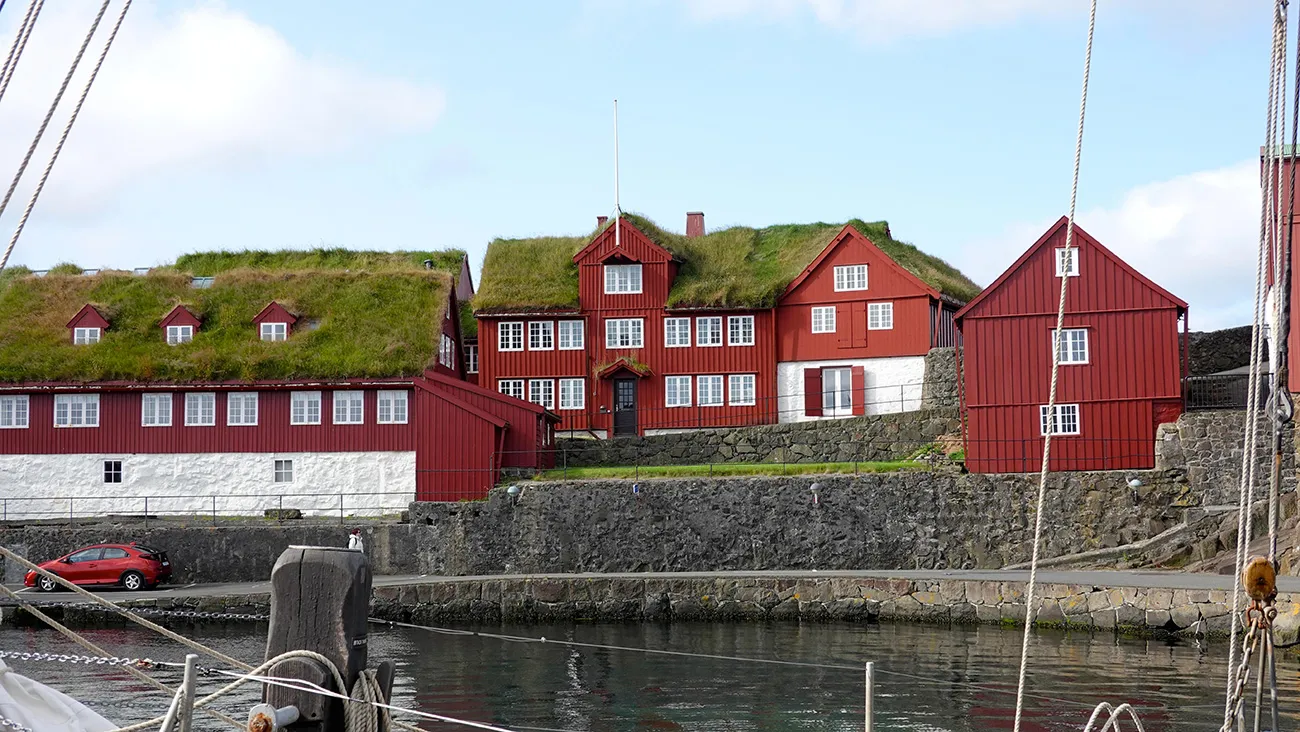
There is nothing new under the sun, however. People in Nordic countries, in particular, have long understood the benefits of greening their roofs, mainly for insulation. When visiting the Faroe Islands, it is not unusual to see sheep grazing on the roof of a house or even someone mowing their lawn on the roof, even when it is pitched! Centuries later, we are now preparing to reinvent the wheel here, with a host of products presented as innovative, reliable and “sustainable” ... We might as well do it by the book.
Lack of quality and innovation
While public authorities and businesses were the pioneers, private individuals have shown growing interest in recent years, with a peak during the 2021 lockdown. Some even take it on themselves, without hiring a specialist contractor. But you cannot just do whatever you like on a roof. Stability and safety must be considered, given the load imposed by the roof substrate, as well as waterproofing issues linked to plant roots. As CSTC points out, “the quality of green roofs is sometimes poor. For example, there is no quality control of products on the market, existing guidance is out of date (Technical Information Note 229 on green roofs dates from 2006) and specifications are not very concrete. As a result, there is also little room for innovation and coordination between the various parties involved in construction is often lacking. In addition, the sector is calling for circular solutions that help cities become more climate-resilient.”
Green Roof Up
One initiative aiming to address these issues is the Green Roof Up project, which runs until September this year as part of the Flemish Green Deal. The project aims to bring about a transition that delivers greater quality, consistency, innovation and circularity in the green roof sector, which should lead to even stronger growth in demand for, and construction of, biodiverse green roofs. To this end, practical guidelines will be developed and widely shared to build knowledge in the construction sector. Options will be developed to make green roof substrates more sustainable by using materials from urban mining, and different types of green roof will be installed and monitored at a demonstration test site. This will make it possible to recommend the green roof systems that perform best and contribute to a healthy urban climate.
Get the right information
In Wallonia, where, unless we are mistaken, no similar initiative is under way, people are waiting to see what is happening further north so they can draw inspiration from it. Some municipalities have published technical information sheets, for example as part of their PCDN, as the City of Liège has done, but these focus more on types of substrate and vegetation than on construction aspects. At present, the most comprehensive and reliable information available in French is probably on the Brussels Environment Sustainable Building Guide website.
Question about this story? Ask your question
Keep following this
Get an email when a new story is published. No account needed.
- SubjectNews







