











Execution certification on the agenda in the roadworks and infrastructure sector
Texte COPRO & Philippe Selke | Photos COPRO

In Wallonia, the concept is backed by major players such as SPW Mobilité et Infrastructures and Mobibel, the new name for FBEV, Fédération Belge des Entrepreneurs de Voirie, which incorporates its Walloon branch, Mobiwall. In public contracts involving the repair and installation of road restraint systems, contractors will have to be certified under PTV 8004-1 (for metal or precast concrete road restraint systems) or PTV 8004-2 (for in-situ concrete road restraint systems).
This execution certification for contractors complements product certification. Its aim is not only to raise the overall quality of this work, but also to put all contractors on an equal footing by requiring them to work to the same well-established quality standards, agreed by the sector’s various stakeholders: clients, contractors responsible for installing road restraint systems and experts in the field.
Pierre Nigro, Qualified Attaché at SPW Mobilité et Infrastructures, Road Engineering Department:
“Like our Flemish counterpart, we took part in meetings of COPRO’s advisory council to draw up the PTVs. Qualiroutes, the Walloon Region’s standard specifications, refers to these various PTVs. The primary aim is to raise quality. We also find this certification reassuring. It will no doubt help recognise competent companies and prevent unfair competition.”
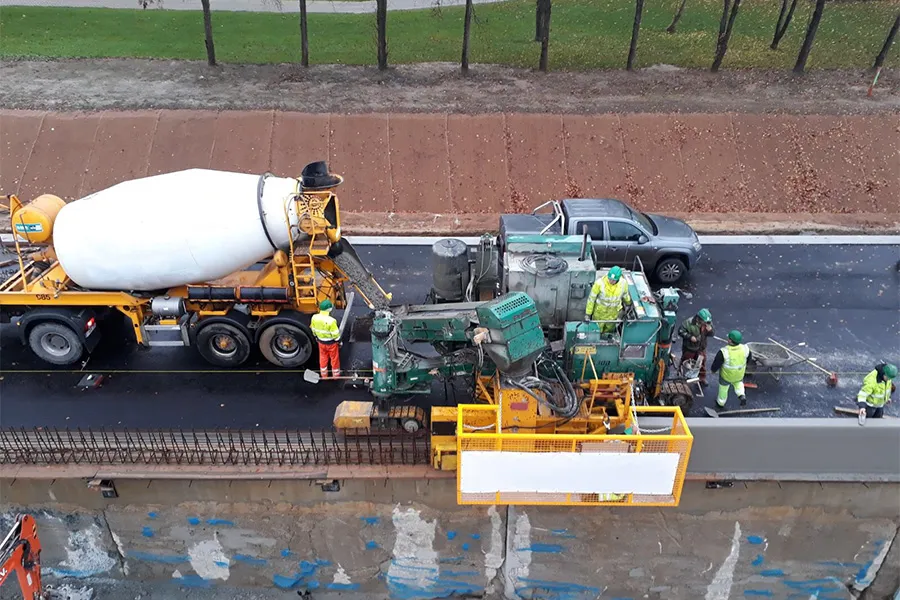
Raising standards across the board
What do companies installing these road restraint systems think? We asked David De Saedeleer of Desami. “A control procedure imposed by an independent and impartial third-party body helps make our installation teams more aware of the need to follow installation procedures. This control helps improve the overall quality of device installation. In practical terms, any non-conformities found need to be recorded so that remedial action can be taken, with the aim of resolving them. This also benefits the end client, who can be assured that the work has been carried out properly.”
David De Saedeleer also points out: “It is essential that precise installation requirements are included in the specifications and, of course, that they are in line with good practice. Otherwise, the aim of improving quality will not be achieved. In theory, if every installer follows the procedure rigorously, quality standards across the sector should rise.” Mr De Saedeleer adds: “However, it is important that road authorities are fully informed about this certification and regularly review the control reports. Only in this way can the system put in place be properly recognised and sustained, justifying all the investment made in its development and in organising the planned daily inspections.”
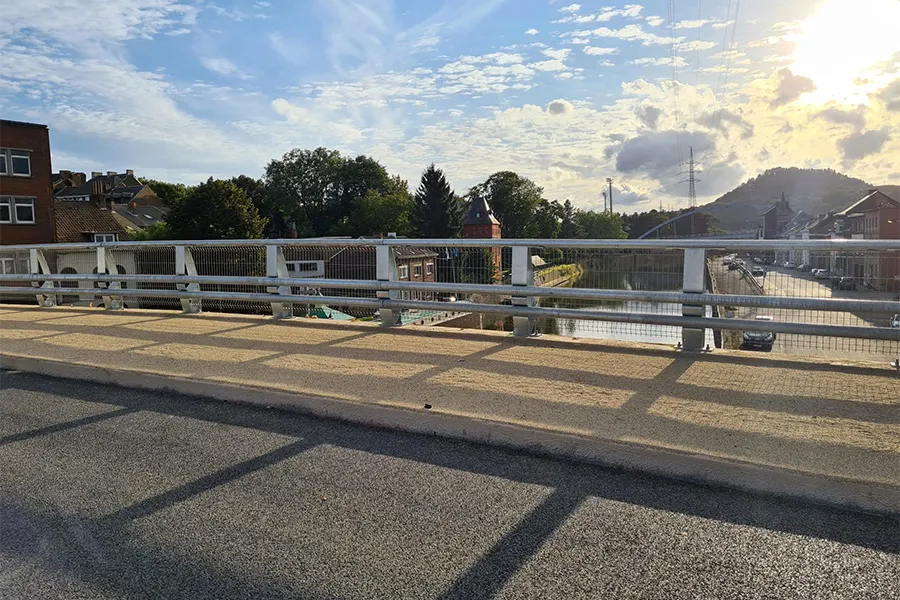
Pierre Nigro explains: “Execution certification for road restraint systems was initially due to become mandatory in Wallonia on 1 January 2023, but we are currently in the start-up phase. To successfully complete the probationary period and obtain certification, a contractor must be assessed by COPRO on a representative site. During this start-up phase, we have therefore agreed that contractors may tender, provided they supply proof that their certification application is undergoing probation. This means that access to contracts and certification is not blocked for young companies. We are hopeful that installers will obtain their execution certificates in the coming months.”
In practical terms, companies undergoing the probationary period under PTV 8004-1 and PTV 8004-2 are listed on COPRO’s website. The same will apply to certified companies. Any company involved in installing road restraint systems may apply for execution certification. It simply needs to download the digital application forms (AFD 8004-1 and AFD 8004-2) from COPRO’s website.
Een zakelijke vraag aan COPRO? Get in touch
Companies in this story

Keep following this
Get an email when a new story is published. No account needed.
- ThemeTransforming infrastructure and territories
- SubjectNews
- CompanyCOPRO







