Concrete Day looks back on a successful 45th edition
Texte Niels Rouvrois Photos Concrete Day
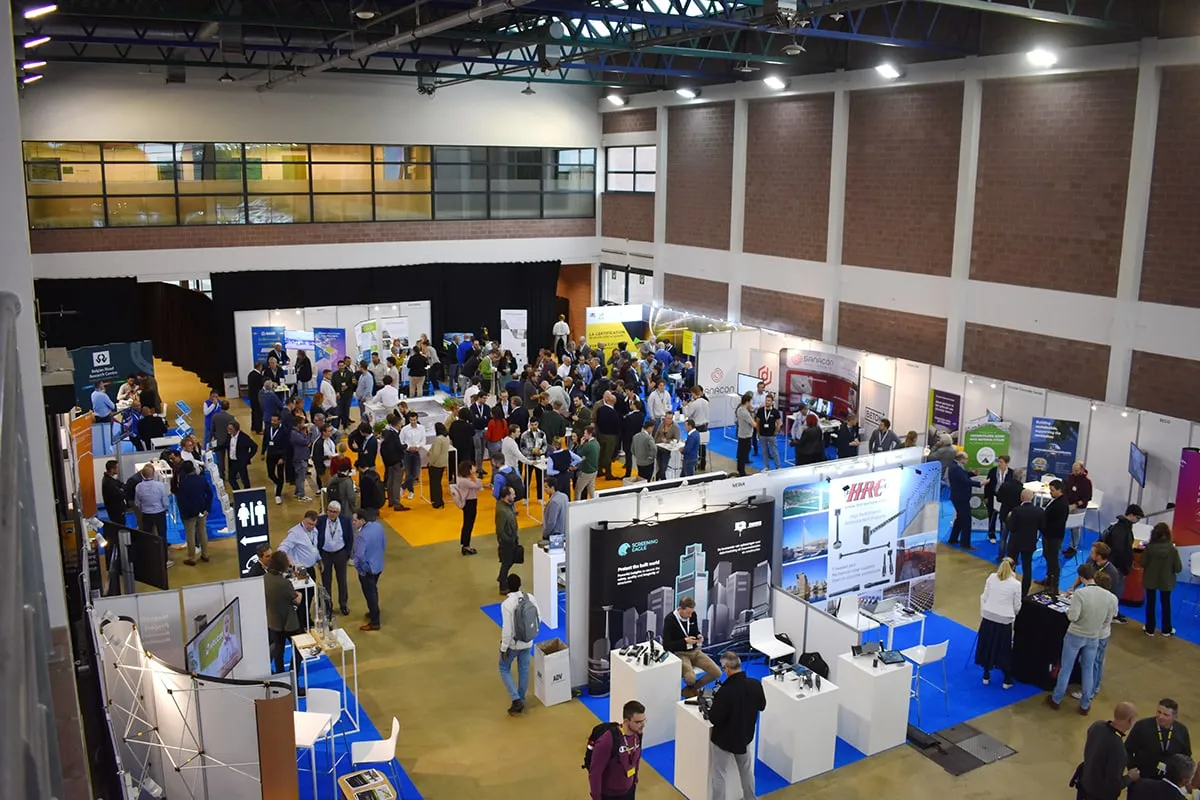
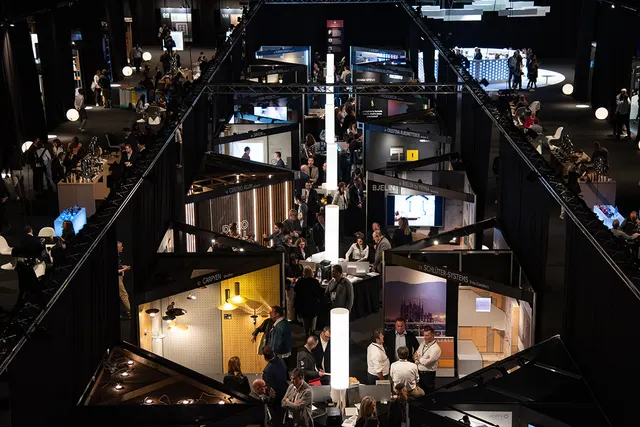
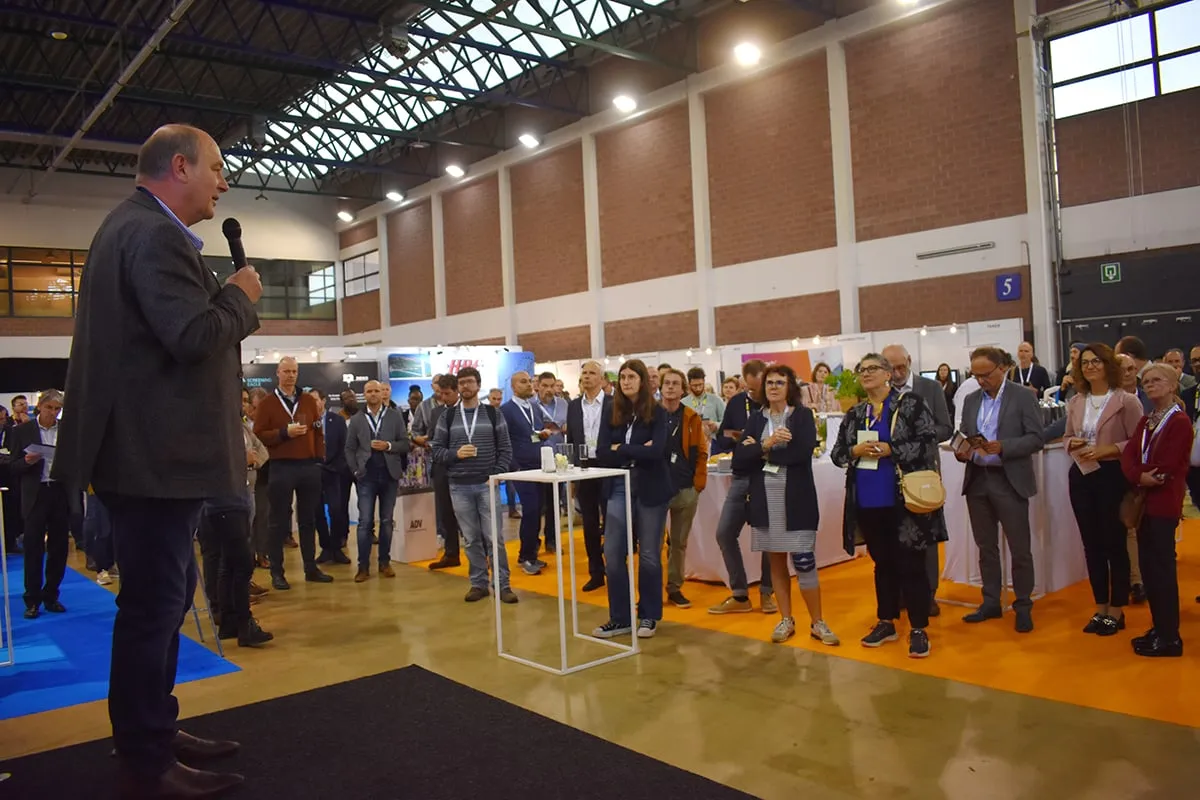
As in previous years, the 45th edition of Concrete Day, an initiative by the Belgian Concrete Group (GBB), took place at Brabanthal in Leuven. As tradition dictates, the event centred on knowledge sharing, innovation, networking and an extensive seminar programme. The entire concrete sector was able to attend a range of presentations, divided into four themes: recycling and certification, quality, a different perspective on concrete, and architecture. The networking evening was launched with a speech by Peter Richner, Deputy Director of EMPA.
After an enjoyable walking lunch, Johan Vyncke, President of GBB, welcomed all the participants. In his opening presentation, the President addressed the audience: “This year marks the event’s 45th edition and, as always, it is open to everyone with an interest in concrete. The programme therefore includes many topics likely to appeal to almost all target groups: academia, architects, engineering firms, contractors, site managers, concrete suppliers and manufacturers, laboratory technicians, students, …”
“By the end of the day, we want participants to have an idea of what is new and current across the entire chain, from the design, testing, production and processing of concrete,” explains Johan Vyncke. “Of course, we will focus on technical quality requirements, but also on environmental and sustainability aspects, digitalisation and productivity. We will also look at concrete technology, production process management, and the delivery and placing of concrete, all of which have a considerable influence on our sector and are constantly transforming it.”
Recycling and reuse
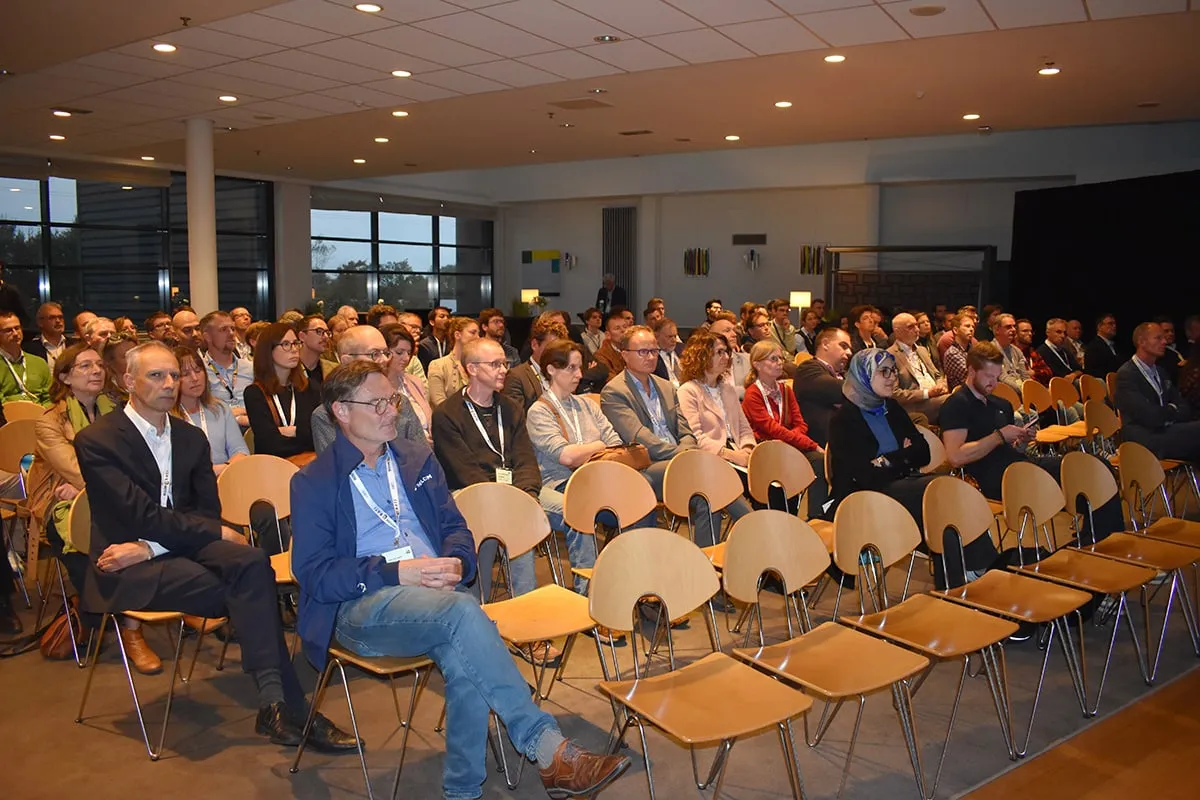
The series of workshops on recycling and reuse focused on growing interest in the circular economy and the use of recycled concrete and aggregates in this context. The use of recycled sands in ready-mix concrete and eco-friendly cement were also discussed. Hervé Camerlynck, Director of FEBELCEM, highlighted the importance of finding alternatives to ground granulated blast-furnace slag, which could one day run out.
Concrete and architecture
At the latest Concrete Day, particular attention was paid to the architectural added value of concrete. An engaging seminar programme entitled “The Making Off” showcased a number of noteworthy projects. Three fascinating presentations focused on The Ensemble, a project to build two residential towers in Amsterdam-Zuidoost. The two towers were built without scaffolding using C-Concrete nv’s C-fast construction system. Visually, it is the cladding with balcony elements and facing bricks by Loveld nv that particularly catches the eye. A total of no fewer than 617 elements and 507 622 bricks were used.
The Mövenpick Brussels Airport hotel project was presented by architect David Vancanneyt, who works at Buro Architectuur bvba, with a prominent place, of course, for the striking architectural concrete façade curtains by Enjoy Concrete nv. Near Talent Square in Tilburg, the new High Lane residential complex is redefining the city’s architectural landscape. Precast concrete was used to maximum effect in this project. By playing with the conventions of precast construction, the joints in fact added value to the façade, while polished concrete containing eco-friendly aggregates at the base gives the building a highly refined character.
The construction sector as a CO2 storage reservoir
In his speech, Peter Richner of EMPA (Swiss Federal Laboratories for Materials Science and Technology) emphasised the opportunities, and the need, for the construction sector to move from being a major CO2 emitter to becoming a “storage reservoir” for CO2. CO2 can be stored in the air, the sea or biomass, and then converted into carbon-based materials. The renewable energy required for this process will not be available for several decades. The main market for these materials is the construction sector, as it is the largest consumer of materials and can therefore serve as a “storage reservoir” for CO2.
Bringing the concrete sector together
Founded in 1980, GBB has a clear vision and its objectives for the years ahead will remain unchanged: to unite all stakeholders in the concrete sector. GBB works to promote, share and disseminate the experience and knowledge gained in the field of concrete, in all its aspects. This year, Concrete Day once again proved to be the high point of this ambition.
Question about this story? Ask your question
Keep following this
Get an email when a new story is published. No account needed.
- SubjectEvents