











End-of-waste status in Wallonia: the case of recycled aggregates
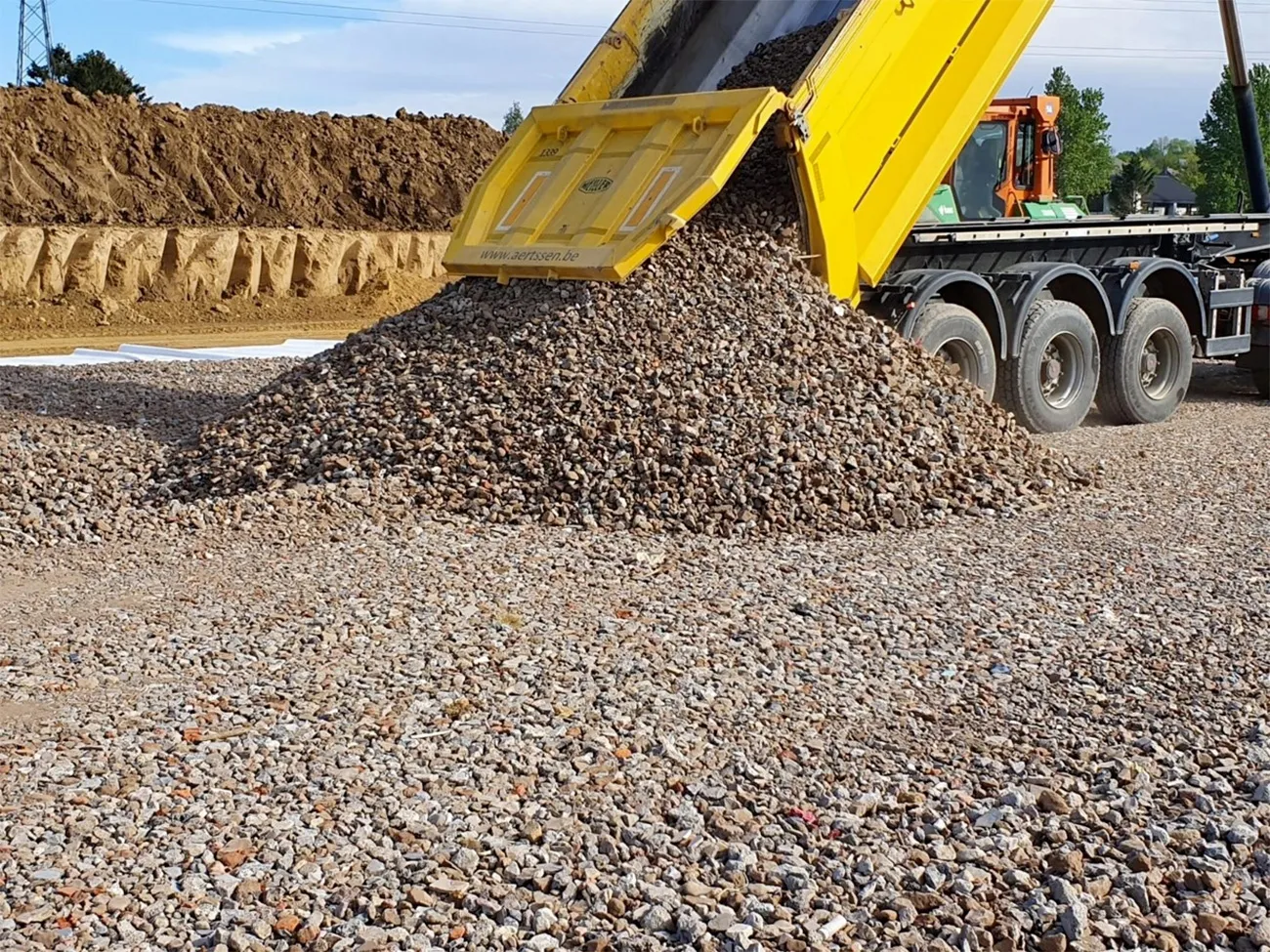
Directive 2008/98/EC establishes a legal framework for waste treatment in the EU. To ease pressure on resources and improve their use, it emphasises the importance of appropriate waste management and recovery and recycling techniques. Two concepts emerge: end-of-waste status (Article 6) and by-products (Article 5). Both offer opportunities for secondary materials, including easier market access, legal certainty and simplified administrative procedures.
Wallonia first incorporated these concepts into Articles 4bis and 4ter of its Framework Decree on Waste of 27 June 1996. In February 2019, it then adopted Government of Wallonia Orders implementing the procedures for end-of-waste status and by-products, thereby amending the Government of Wallonia Order of 14 June 2001 promoting the recovery of certain waste. Since these Orders came into force on 1st July 2021, recycled aggregates must be considered waste and can no longer be recovered in Wallonia unless they meet the requirements of this new environmental legislation.
Mark
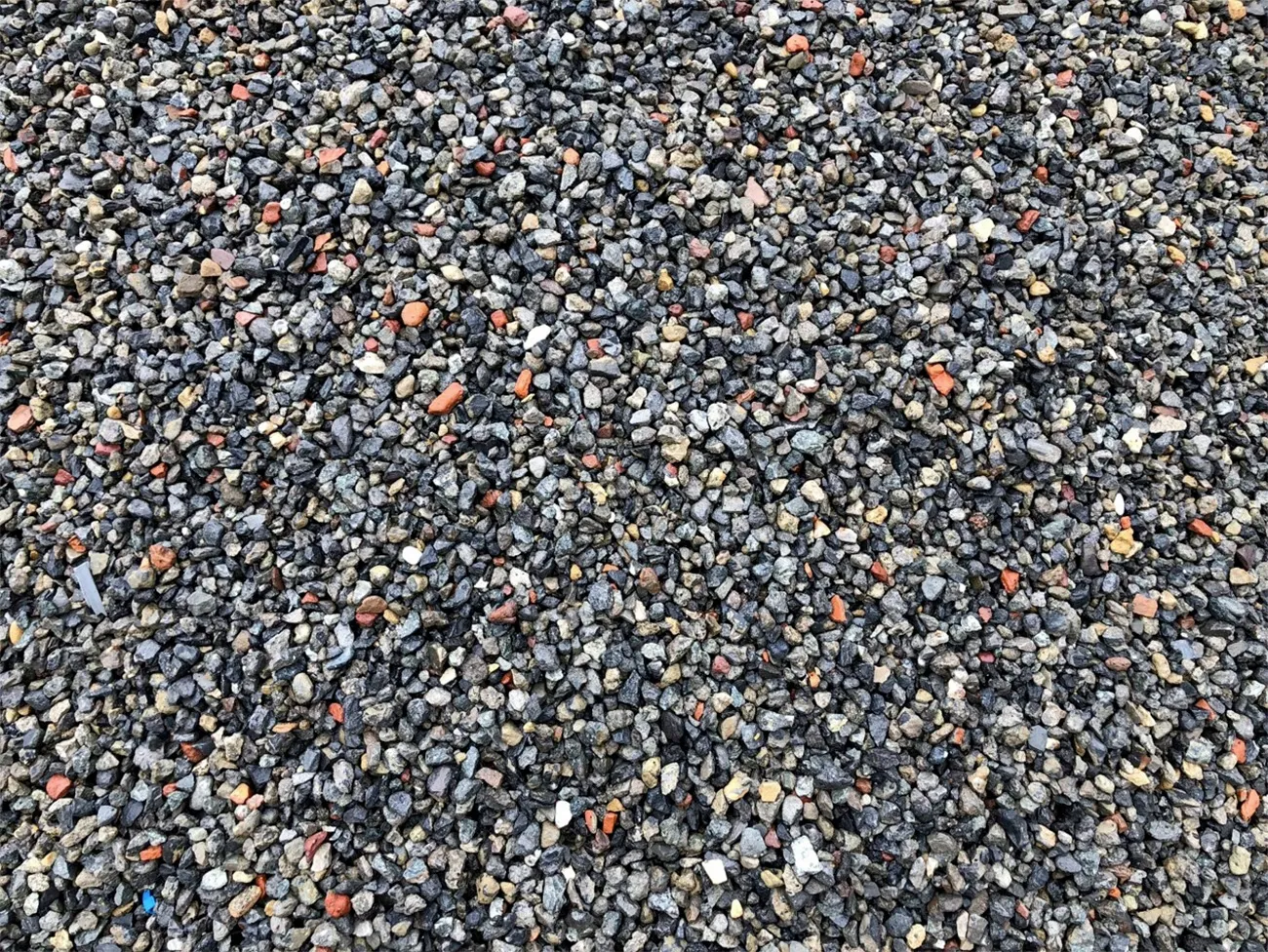
There is currently no specific mark associated with end-of-waste (EoW) status for recycled aggregates. However, the Walloon administration responsible for implementing this new legislation has opted to issue an end-of-waste certificate, which attests that a production unit complies with the new regulations. It should be noted, however, that CE certification at level 2+ is an essential prerequisite for a formal application for EoW certification to be accepted by a conformity assessment body such as COPRO.
Background and scope
End-of-waste (EoW) status is achieved when waste that has undergone a recycling or other recovery operation is considered to have ceased to be waste, subject to certain conditions. This new ‘life’ requires the material to be used for specific purposes, a market or demand to exist, technical requirements to be met and no overall adverse effects to arise. These provisions apply to all companies active in recycling inert demolition and construction waste in Wallonia, including those based in another country or region that import their products into Wallonia.
Requirements
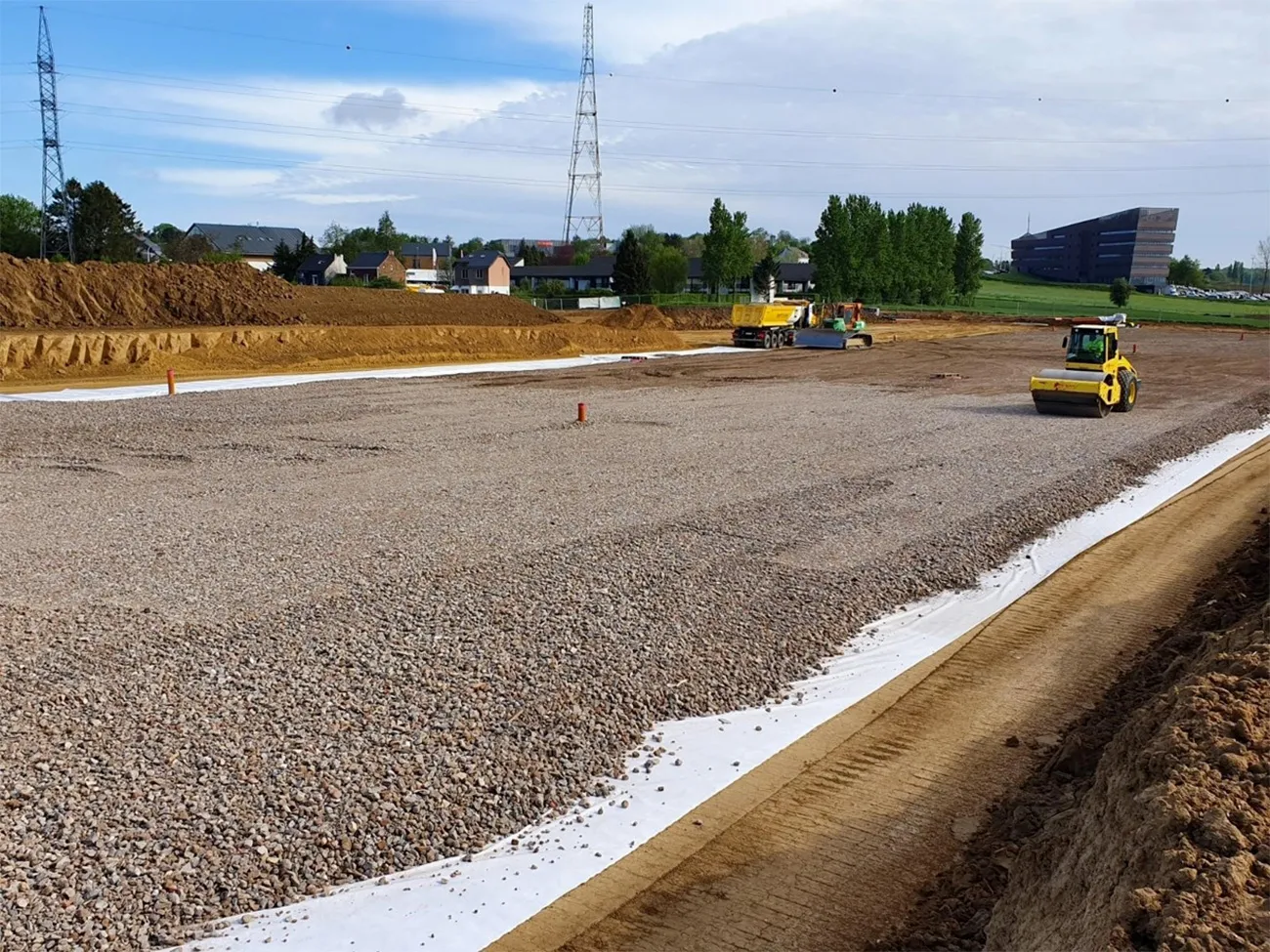
The Walloon legislator has therefore established, in its Order, the legal framework for granting end-of-waste status to any waste recovered or recycled as a product within its territory. It is based on two main procedures: ‘Recognition of end-of-waste status’ (Chapter II) and ‘Registration of end-of-waste status’ (Chapter III).
More specifically, Annex II to the Government of Wallonia Order, which sets out the criteria for recognising end-of-waste status for recycled aggregates, details the registration procedure to be followed by any producer of this type of aggregate wishing to recover the product in Wallonia. To lose their status as waste and become a product, recycled aggregates must meet the conditions set out in this Annex. Compliance of the ‘recycled aggregates’ product must be demonstrated in terms of both technical and environmental compliance, with the former being an essential prerequisite for the latter to be considered.
For technical compliance, the producer’s internal control of technical characteristics, as provided for in the harmonised standards, must be checked annually by a neutral, independent and impartial third-party body such as COPRO. For environmental compliance, the producer must put in place an environmental self-monitoring system in accordance with the requirements of Annex II, following these principles: a management system covering the ‘end-of-waste’ criteria for recycled aggregates produced from inert waste (Section 4); environmental sampling by registered samplers; analysis results provided by approved laboratories; and assessment of the results by competent, trained staff. Here too, this self-monitoring must be checked annually by a neutral, independent and impartial third-party body.
Certification procedure
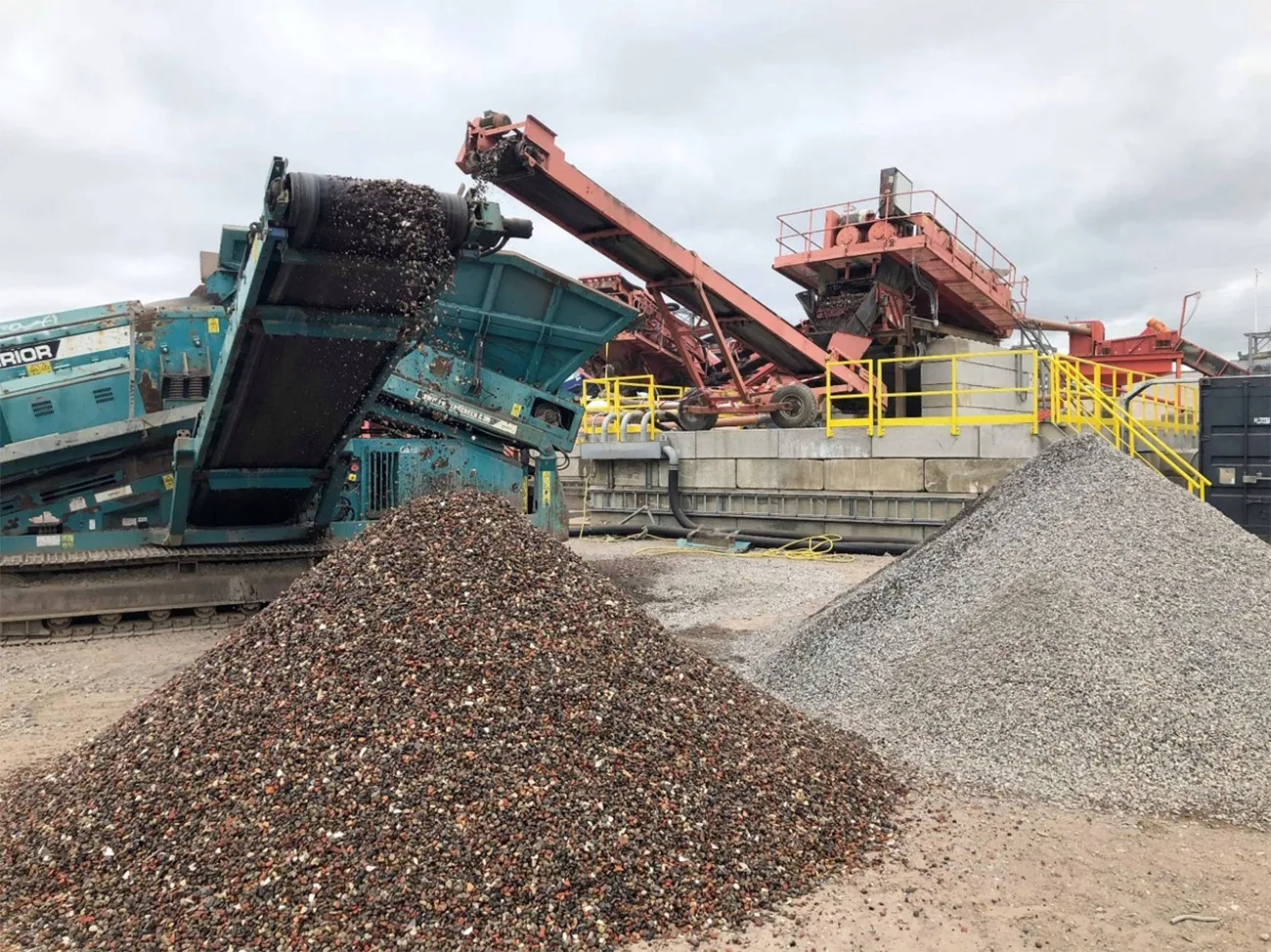
Applicants must submit a file containing the application forms and technical file templates provided for this purpose. The certificate allows its holder to recover recycled aggregates in Wallonia in full compliance with the relevant environmental legislation.
COPRO is recognised by SPWARNE as one of the 3 conformity assessment bodies authorised to issue this certificate.
Question about this story? Ask your question
Companies in this story
Keep following this
Get an email when a new story is published. No account needed.
- ThemeBuilding with less carbon
- SubjectNews
- CompanyCOPRO







