











“End-of-Waste” certification now mandatory in the Walloon Region
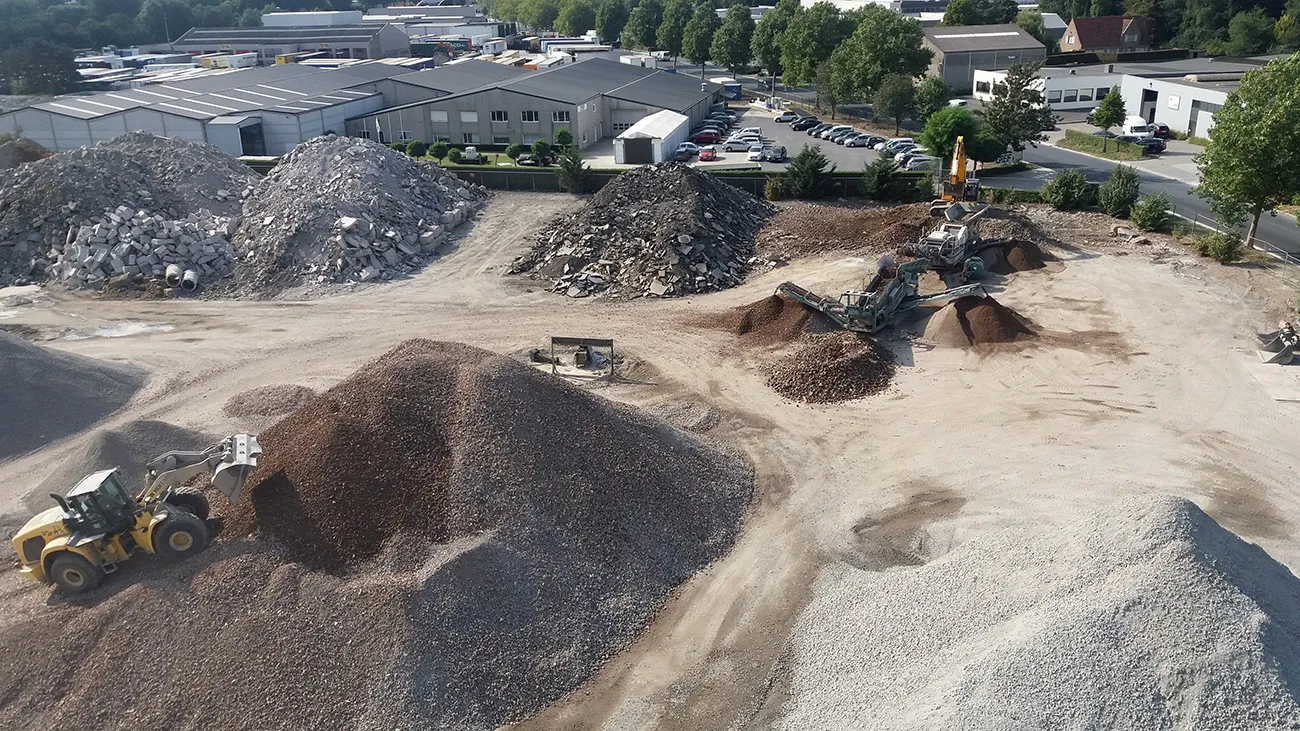
Producers of recycled aggregates must apply for “End-of-Waste” certification. This provides environmental safeguards for the second life of this waste. They urgently need to bring themselves into compliance with the help of a notified body such as COPRO.
Following the European “End-of-Waste” Directive, the Walloon Government adopted an order (AGW) in 2019 to bring construction waste into the circular economy. The ambition now goes beyond simply cataloguing, tracing and quantifying it, as required by an order dating from 1997, or recovering value from this waste, as required by another law since 2001. Recycled aggregates now have a legal framework that allows them to acquire “product” status.
The focus is no longer on discovery, but on compliance with the legislation. Stéphane Baguet, Certification & Inspection Manager at COPRO, the impartial organisation for the inspection of construction products, notes that the AGW on End-of-Waste (SSD) provides for two main procedures. First, a recognition procedure that defines the general framework and the conditions for waste to obtain product status. Second, a registration procedure, once recognition has been defined. For recycled aggregates, this recognition is set out in Annex II of the AGW SSD. Any producer of this type of aggregate wishing to recover value from it in Wallonia must apply for registration with the Directorate for Waste Management Infrastructure and Policy within the Walloon Administration.
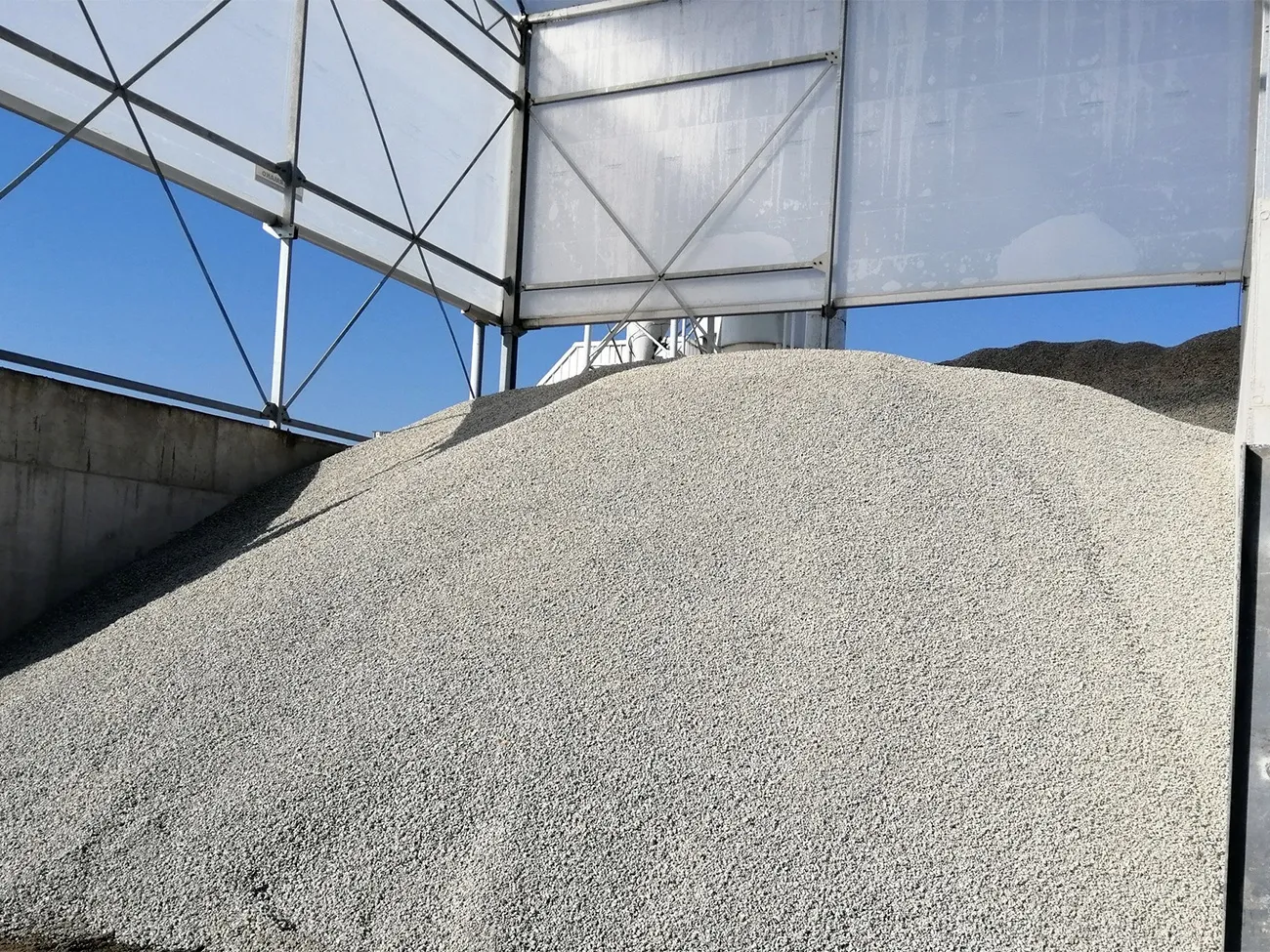
Deadline for compliance has passed
Stéphane Baguet distinguishes between two types of producer. On the one hand, “traditional” recyclers, which accept all demolition and construction waste, regardless of its source or origin. On the other, contractors who regularly generate their own construction and demolition waste on their sites. Contractors favour reusing it on their own sites to benefit the environment and save money. “The AGW had to be complied with by 1st July 2021. The Walloon Administration granted an extension to 31 December 2021 for producers who had begun the registration process before that date. In theory, those who did not do so are not compliant. They are therefore acting illegally and risk penalties. It is important for them to make themselves known to the Administration as soon as possible. Otherwise, if they are inspected, this non-compliance could be considered fraud,” warns the COPRO representative.
Twofold certification: technical aspect
The new legislation requires all producers of recycled aggregates to obtain technical conformity certification. “This is CE marking under system 2+. The harmonised European standards for aggregates provide for two levels of attestation, levels 2+ and 4. The producer’s responsibilities are the same in both cases. The difference lies in external control, which is required only for level 2+ (an annual audit). Until now, producers could choose the level of attestation for placing their products on the market. This is no longer possible for recycled aggregates, as the legislator has made level 2+ mandatory, along with external control.”
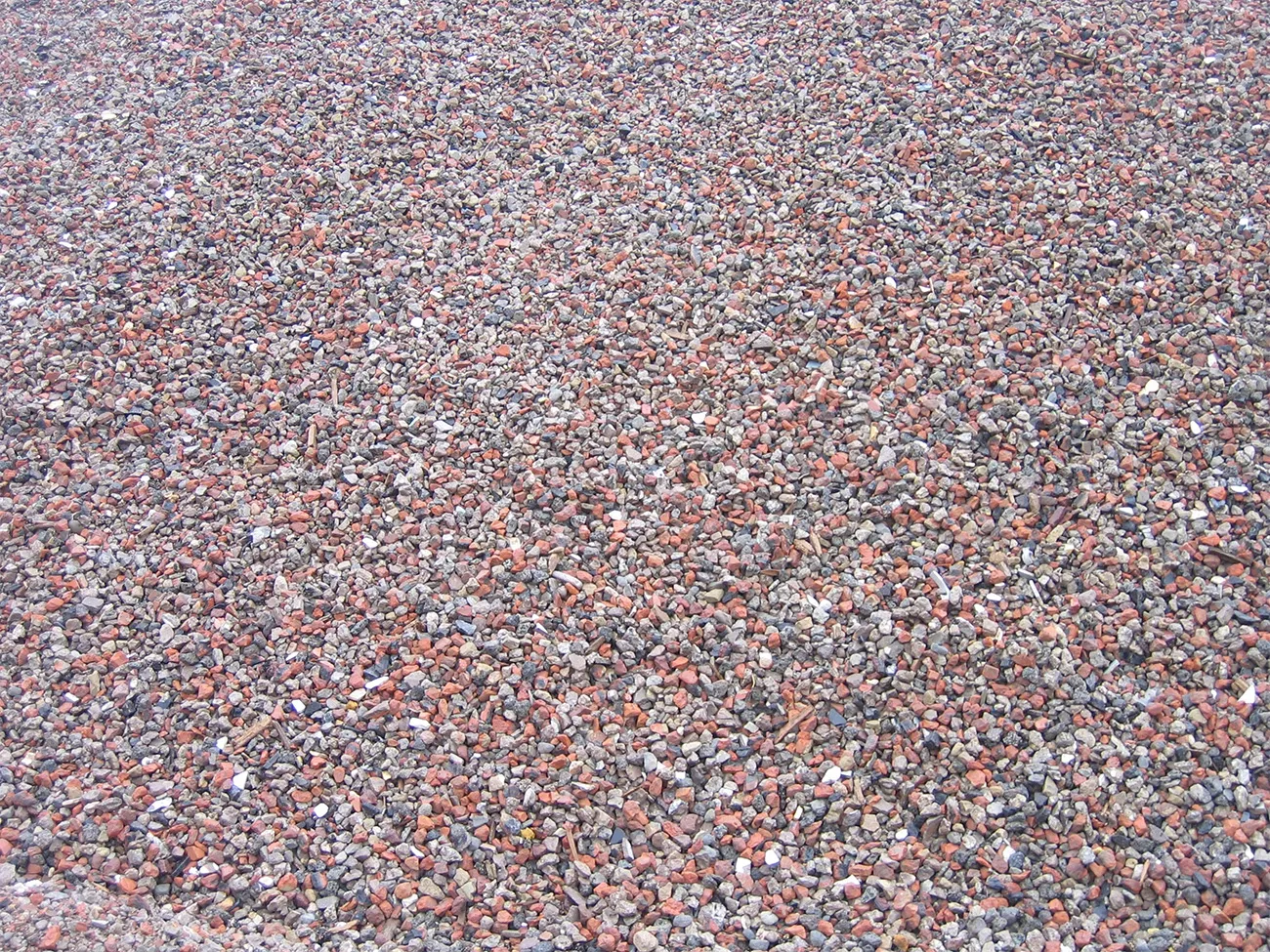
Environmental aspect
In addition, the Administration has provided for certification of the producer’s environmental management system. “Environmental conformity is defined in Annex II of the AGW for recycled aggregates. Producers of these aggregates must enable environmental samples to be taken. These must be analysed by an approved laboratory. The results must then be assessed by competent, trained personnel at the producer. The producer’s self-monitoring of environmental characteristics must be verified annually by an independent third-party body,” explains the Certification & Inspection Manager.
To keep costs down, Stéphane Baguet recommends applying for End-of-Waste certification from a body such as COPRO at the same time as CE 2+ certification. As environmental procedures are generally integrated into the producer’s technical management system, this approach makes it possible to combine CE 2+ and SSD audits at more favourable rates.
Een zakelijke vraag aan COPRO? Get in touch
Companies in this story
Keep following this
Get an email when a new story is published. No account needed.
- ThemeBuilding with less carbon
- SubjectNews
- CompanyCOPRO







