











Electronic taps do more than simply save water
Do not underestimate the importance of drinking water quality
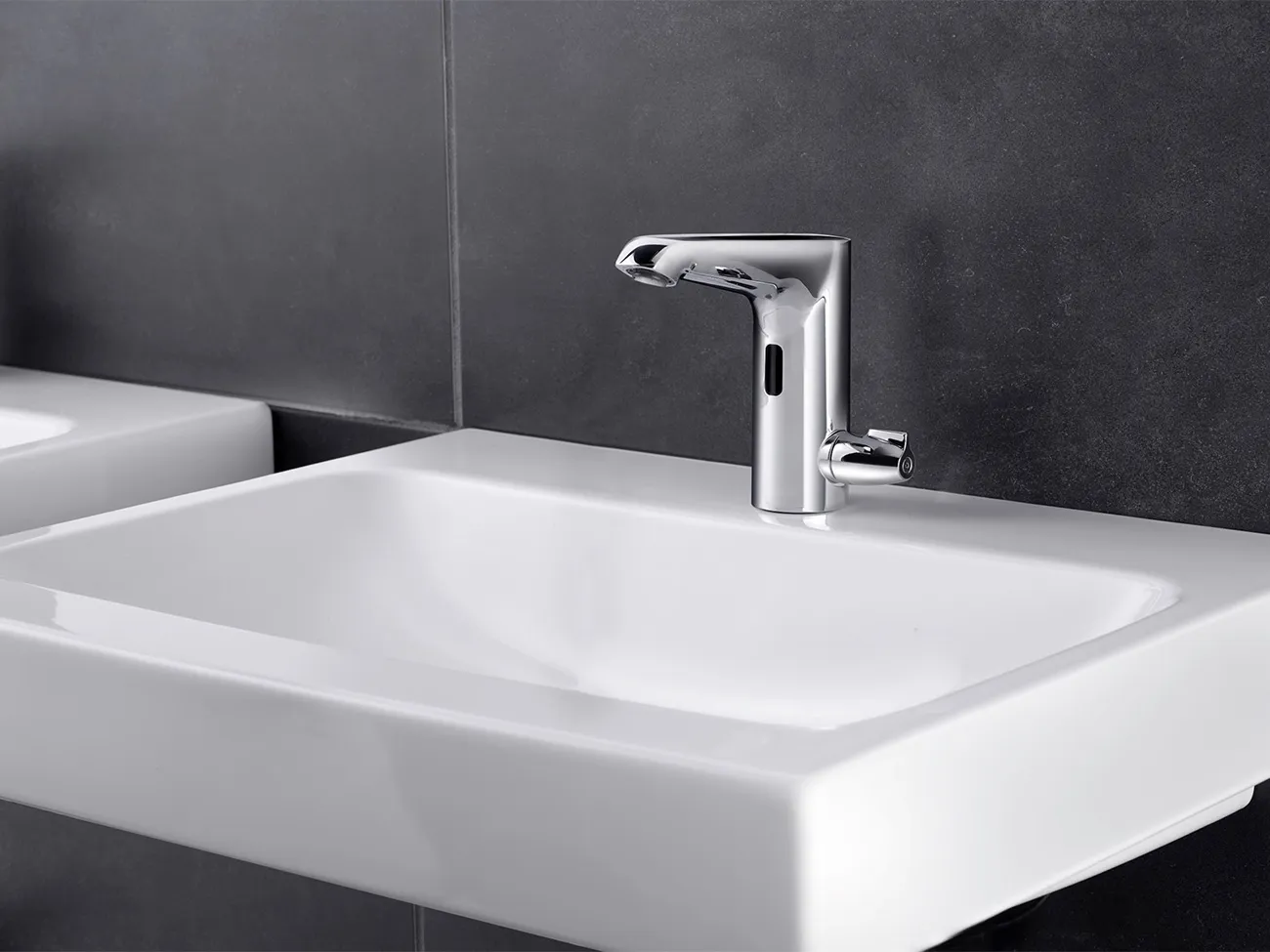
Electronic taps have been on the market for decades, and the emergence of new smart systems is expanding the range of possibilities even further. However, there is still some reluctance to adopt electronic applications. This is a missed opportunity, as smart taps ensure drinking water meets the highest hygiene standards, keep operating costs down and are easy to install.
“One thing we have noticed is that no one really pays much attention to drinking water hygiene,” says Dirk Vanden Breede of Schell. “At best, people have heard of Legionnaires’ disease, but think it is only a problem with hot water. Cold water pipes are generally not considered a risk. However, stagnant water in these pipes can lead to bacterial growth. Electronically controlled taps offer a solution: if a water outlet is not used for a certain period, an automatic flush is activated to flush the pipe.”

Price versus use
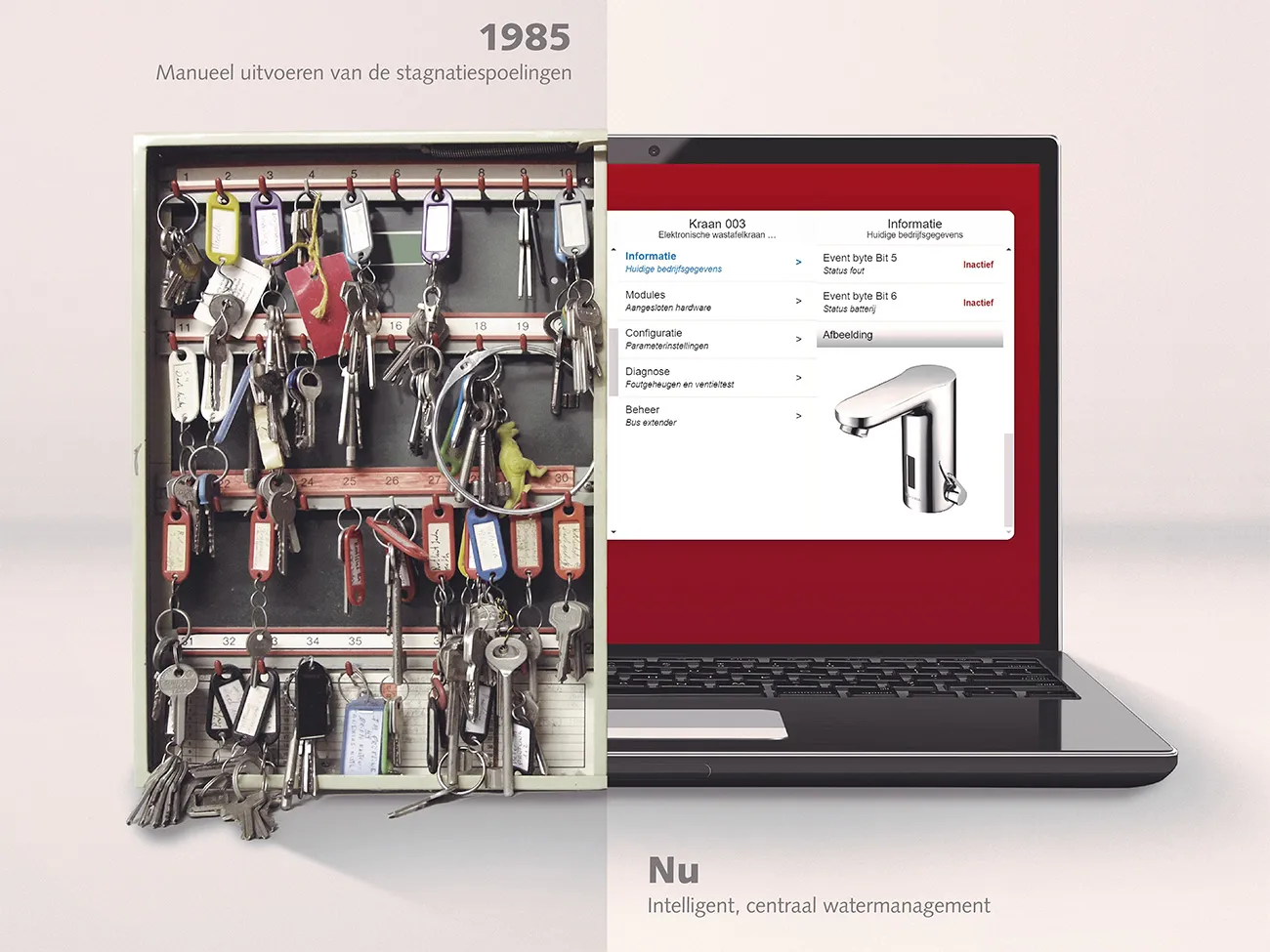
Mechanical taps are often chosen for reasons of economy, but this is a mistake. Do not be blinded by the purchase price. “Electronic taps are indeed a little more expensive than mechanical ones, but the difference should not be overstated,” Dirk Vanden Breede continues. “Compared with the overall cost of a construction project, the extra expense is negligible, while the taps offer greater functionality, particularly in terms of hygiene.” Carrying out a hygienic flush or thermal disinfection manually requires labour and carries a higher risk of errors.
Reliability
There are sometimes concerns about reliability and electricity consumption, too. Electronic taps have few moving parts and are therefore subject to little wear. Solenoid valve technology is proven and highly reliable, while electricity consumption is low. The latest electronic taps, for example, have a ‘standby mode’: if they are not used for a certain period, they emit fewer detection pulses and consume less electricity. Once activated, they return to normal operating mode.
Easy installation
There are also a few misconceptions about installation. If the taps are connected to the mains electricity supply, wiring does indeed need to be installed. However, simpler installation options are available: some models are battery-powered, in which case installation is the same as for a non-electronic tap. In addition, low energy consumption ensures long battery life, so batteries only need to be replaced occasionally.
Water management
Integrating electronic taps into Schell’s SWS water management system makes it possible to configure settings centrally and retain a record of operating data. This means it is possible to see how many times a tap has been used, whether there are any error notifications and whether the batteries need replacing. Many problems can be resolved without anyone having to be on site. What is more, service visits take less time because the technician knows in advance what needs repairing and always has the right spare parts with them.
Question about this story? Ask your question
Keep following this
Get an email when a new story is published. No account needed.
- SubjectNews







