











Controlled drainage, the future of water management
Texte Kris Vandekerckhove | Photos De Ceuster
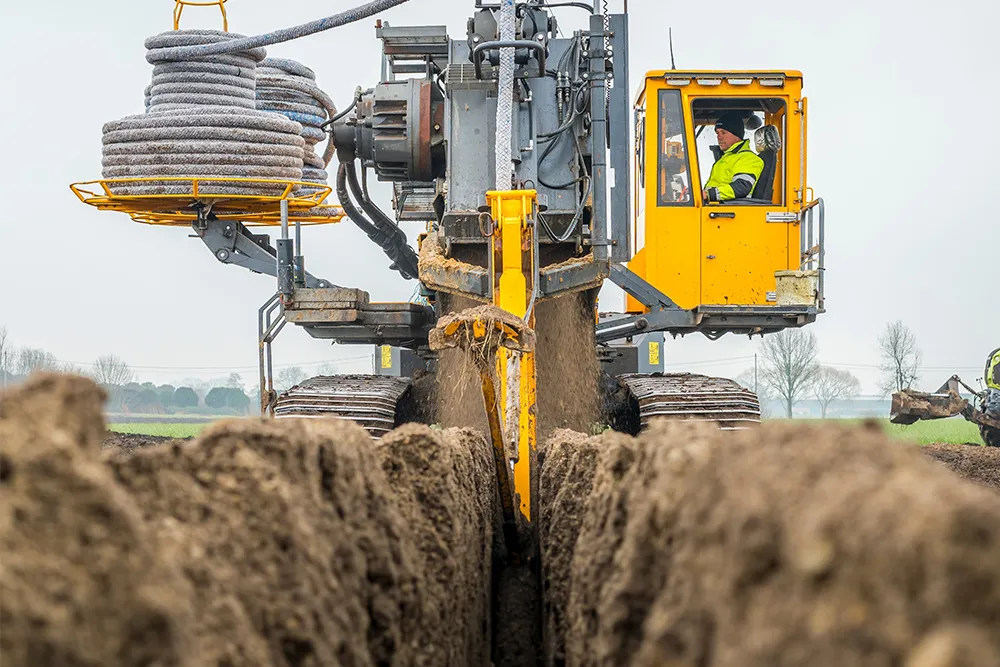
Water management 2.0
Water management has always been an essential part of agriculture and urban planning. With climate change and frequent extreme rainfall, ranging from drought to flooding, the need for effective water management is becoming increasingly apparent. One innovative solution emerging in response to these challenges is controlled drainage.
De Ceuster, based in Sint-Katelijne-Waver, took over the drainage activities of Christianen, Van Looveren at the start of this year. The company is looking to play an important role in the sector.
Geert Van Meensel, project manager at De Ceuster: “We are a service company carrying out subcontracting work. Our scope is very broad, with departments such as ‘Horti’, ‘Sport’ and ‘Infra’. We are now adding ‘Drainage’. We have always worked closely with the drainage company Christianen, Van Looveren. Louis Christianen and Yvonne Van Looveren handed over their life’s work to us this year, and we are particularly proud of that. After all, we had carried out subcontracting work for their experimental station in Meerle for many years, so for Louis, who is now retired, this was a logical step. And because water-level control is becoming an increasingly important issue, we will focus on controlled drainage in the future. This includes comprehensive advice, as our extensive experience in all kinds of other fields, such as land levelling and related areas, has given us plenty of know-how.”
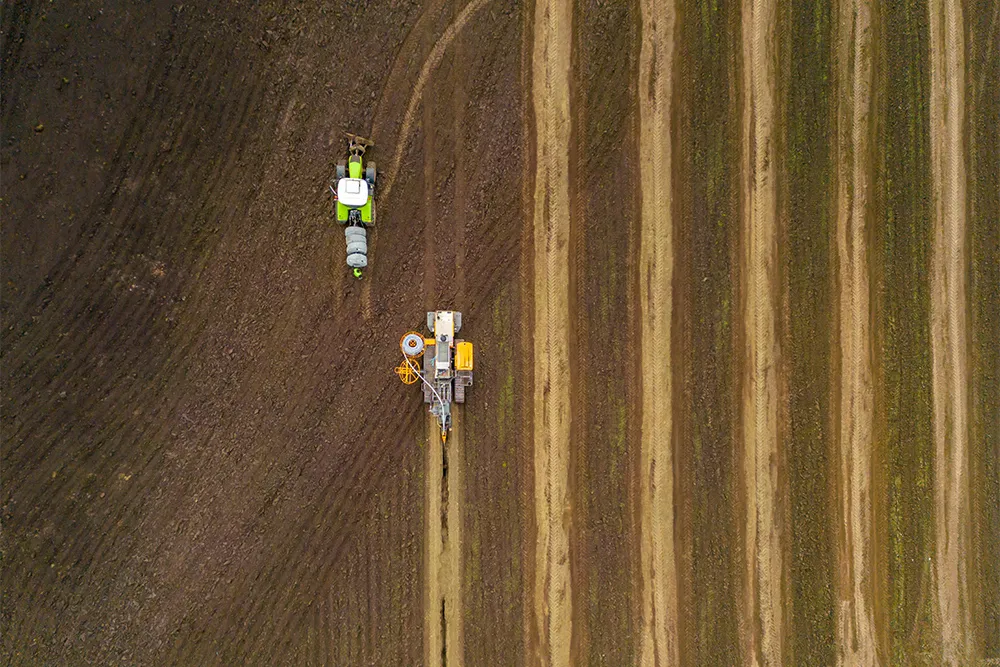
Active groundwater-level management
Jan De Roye, head of Infra at De Ceuster: “Controlled drainage is an advanced form of traditional agricultural drainage. Instead of constantly removing water from the soil, this technique enables the manager to actively regulate the groundwater table by creating a controlled water reserve. This is achieved using gates and control devices that can be adjusted to suit requirements and circumstances.”
Benefits of controlled drainage
Although controlled drainage is promising, it also presents challenges. To be effective, the technique requires precise monitoring and management. Farmers and managers also need to learn how to use the systems effectively. However, these considerations are outweighed by the clear benefits:
Flexibility: the main advantage of controlled drainage is the ability to adjust water levels to changing conditions. During drought, the water level can be kept higher to provide crops with the moisture they need, while in wet weather it can be lowered to prevent flooding.
Sustainability: regulating water levels can reduce the run-off of nutrients and plant protection products into surface waters. This helps improve water quality and protect aquatic ecosystems.
Cost savings: although the initial installation costs of controlled drainage may be higher than those of traditional drainage, long-term benefits such as reduced irrigation requirements and improved crop yields can result in significant cost savings.
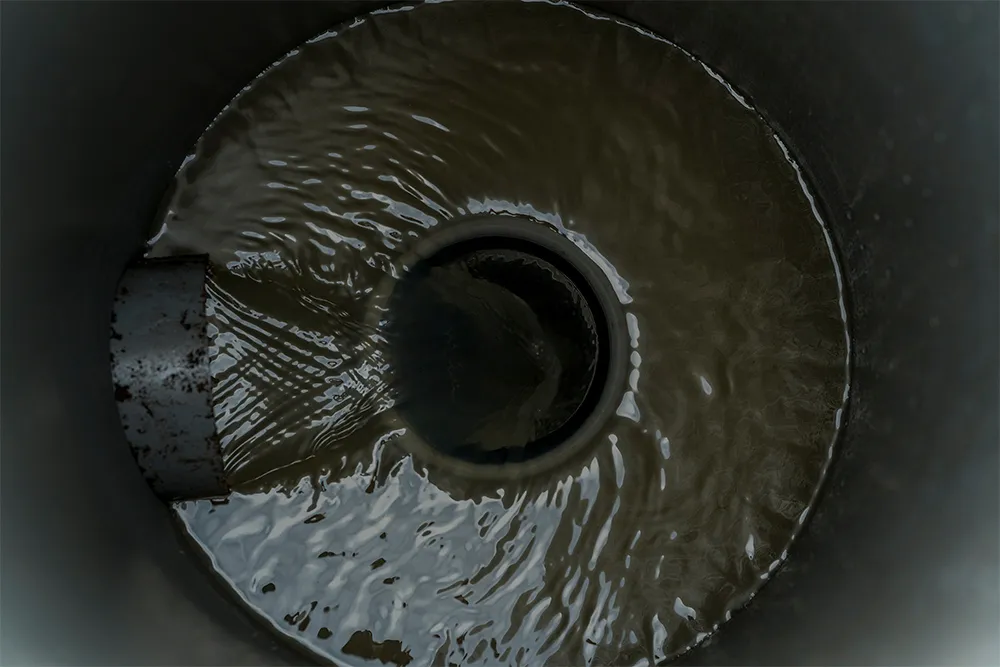
Drainage and irrigation
“Control is managed via a control well/pipe,” Jan De Roye continues. “The desired water levels are marked in the well. You can control it manually, but it can also be fully automated. We even have an app that keeps you informed of water levels in the monitored soil at all times. And, importantly, we already have projects under way where drainage is controlled and irrigation is also possible, using the same drainage pipes.”
Promoting research and training
“Controlled drainage offers a progressive solution to the challenges of modern water management. The ability to actively manage groundwater levels, using a control well fitted with sensors, can help farmers and urban planners adapt to changing climate conditions while protecting water quality. As with any new technology, ongoing research and training are essential to making full use of the benefits of controlled drainage,” concludes Geert Van Meensel.
Question about this story? Ask your question
Keep following this
Get an email when a new story is published. No account needed.
- SubjectNews







