











Combine renewable and hybrid energy solutions with propane
Propane, a popular choice for hybrid systems
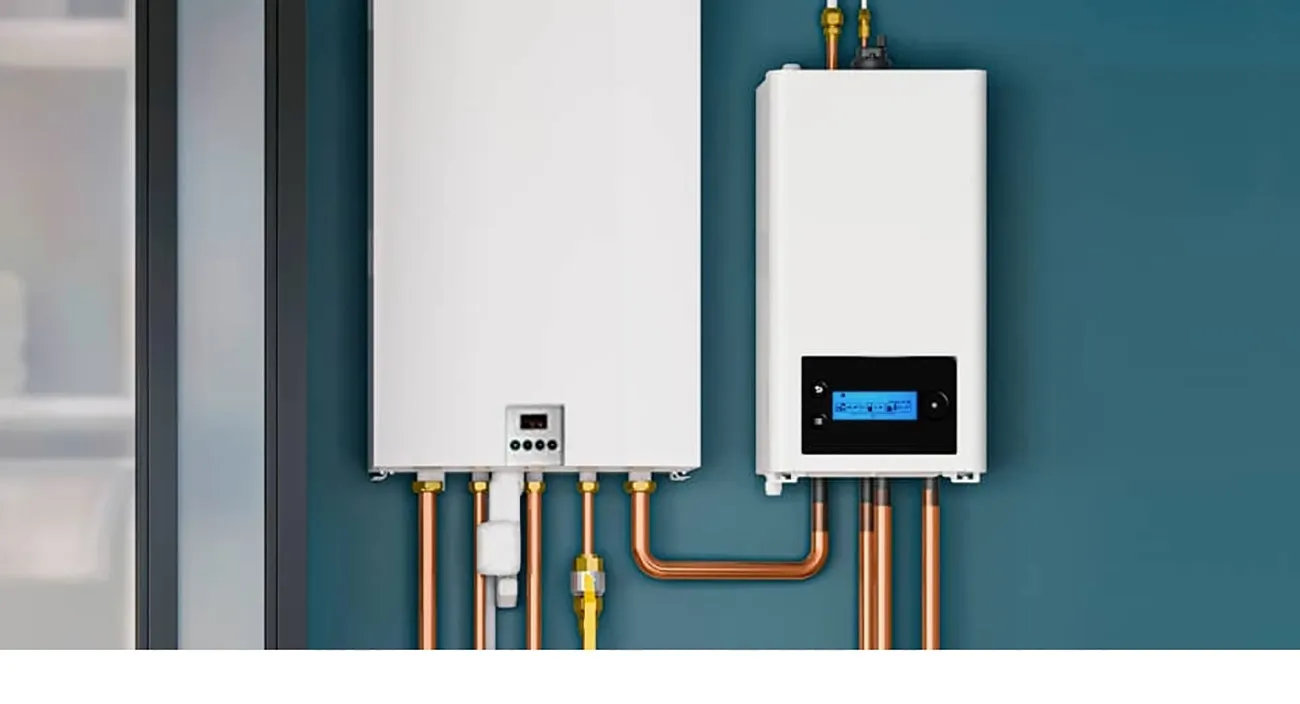
There is no doubt that heating systems in Belgium need to become more sustainable. However, it is becoming increasingly clear that heat pumps are not always a cure-all, and in these situations hybrid systems offer a solution. A hybrid heat pump is a heat pump that can run on gas and electricity. No natural gas connection in your street? No problem, as propane gas can also be easily combined with a hybrid heat pump.
Ever stricter EPB requirements are making things more difficult and have a major impact on the choice of heating system, as a minimum share of renewable energy is now essential. Until recently, heat pumps were a popular choice for heating newly built homes. If you had enough solar panels, you could generate sufficient electricity during the summer months, then use this energy during the winter to power your heat pump and heat your home. However, there is no doubt that the current situation, with electricity prices rising dramatically, is not conducive to the widespread use of this energy source to heat your new home. What is more, storing large quantities of energy in home batteries is not yet a viable option. Heat pumps are therefore no longer an obvious choice for many people building a home.

Gas heat pumps
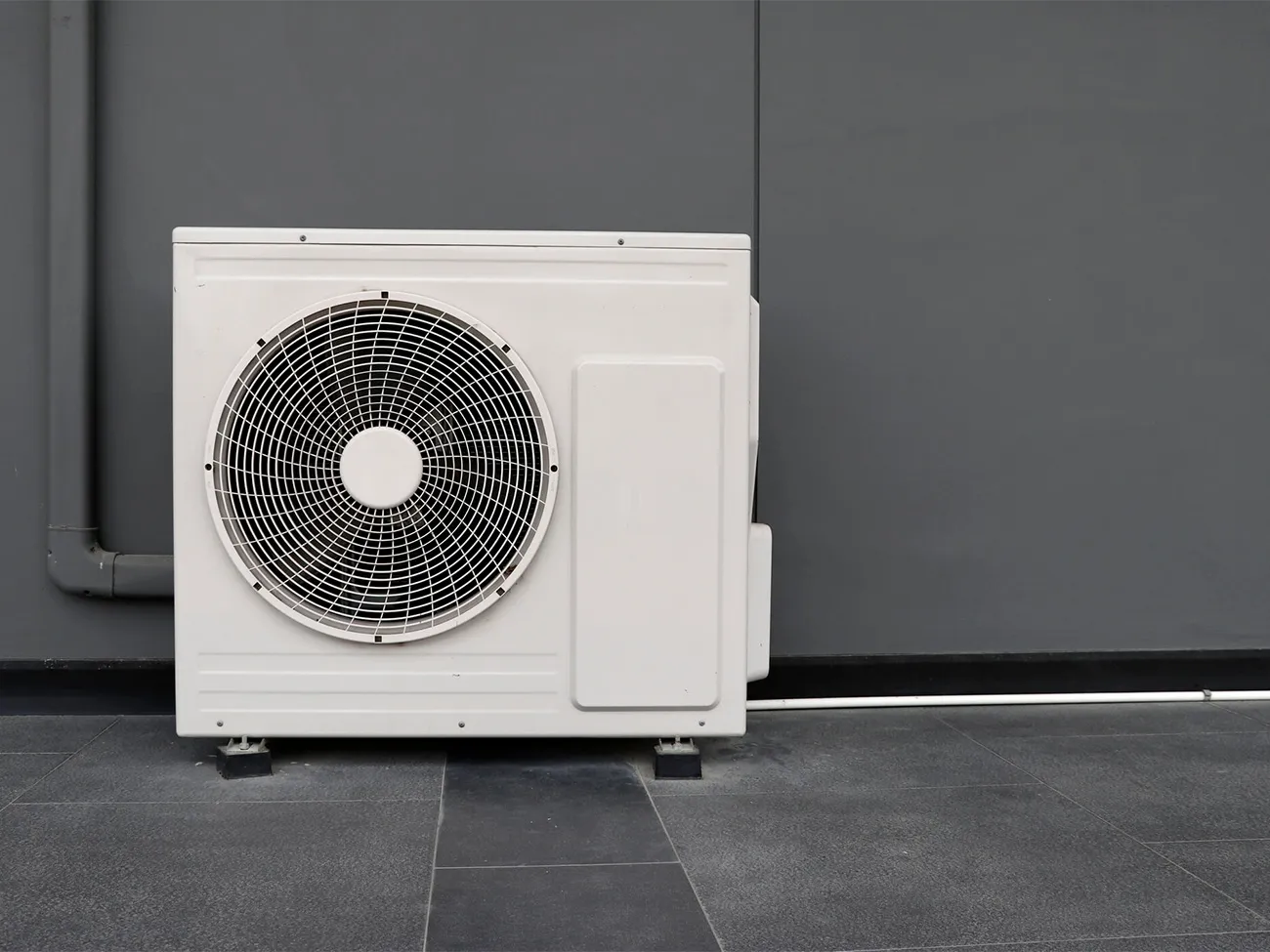
Using a fossil fuel alongside a renewable technology is therefore an obvious and affordable solution. But which energy source should you choose if there is no natural gas connection available? In addition to electric and hybrid heat pumps, there are also gas heat pumps. A gas heat pump provides heating and domestic hot water, just like a conventional air-to-water or ground-source heat pump. The only difference is that this system runs on gas rather than electricity, so there is no need to install solar panels to offset electricity consumption. This gas heat pump can also run on propane. Propane is not burned, but acts as a medium that absorbs heat from the air or ground and transfers it to the heating water. With a gas heat pump, you can easily achieve high water temperatures of up to 60-65°C, even when outdoor temperatures are freezing. This makes such a system an attractive option for renovating existing homes fitted with high-temperature heating appliances. It is also an interesting solution for newly built homes, as a gas heat pump can be connected perfectly well to underfloor heating. By combining a gas (propane) condensing boiler with an electric heat pump, you are ready for the energy transition. You use free renewable energy from your heat pump, and your gas-fired condensing boiler only switches on when needed. This means you can always heat your home economically and sustainably.
Propane and biopropane
Primagaz has specialised in propane gas for more than 60 years and supplies gas cylinders and tanks to households and businesses. A propane network can be a practical solution for new residential areas or housing developments that are not connected to the natural gas network. “Propane is a clean energy source. It emits very little CO2 and fine particulate matter when burned, and is better for air quality. When burned, propane produces 16% less CO2 than heating oil. If you want to reduce your environmental footprint with ease, you should choose biopropane. With this 100% sustainable alternative, you are ready for the future,” says Guido Tupitti, Sales Director at Primagaz.
Question about this story? Ask your question
Keep following this
Get an email when a new story is published. No account needed.
- SubjectNews







