Carte Blanche | Valérie Depaye, Director of ERIGES (autonomous municipal authority of Seraing)
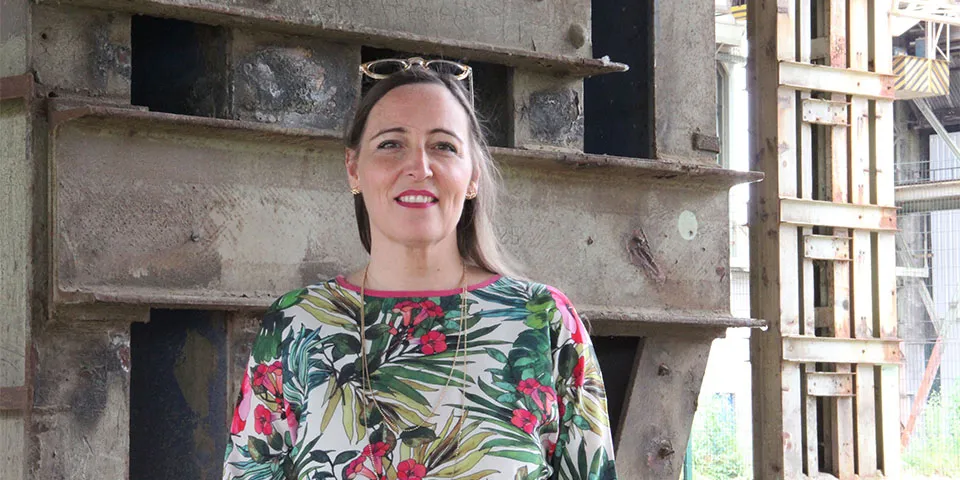
The pandemic puts urban housing to the test
“Stay at home.”
“Keep your distance.”
“Get some fresh air within 1 km of your home.”
What a barrage of instructions has shaped our daily lives in recent weeks!
While lockdown has undoubtedly affected lives around the world, it is in urban areas that the restrictions have really brought the differences home. Take 80 m², 3 teenagers, 0 garden, 0 terrace, versus 120 m², still 3 teenagers, a garden to let off steam in, and kilometres of trails close at hand. Without resorting to clichés or setting urban deprivation against rural affluence, the fact remains that we have not all experienced the imposed “stay at home” reality in the same way.
Two months have been enough, if further proof were needed, to show how important it is in dense cities, mindful of their footprint, to have open, airy public spaces, pedestrian zones, quieter neighbourhoods, quality housing, access to nature and local shops.
The COVID crisis has made it abundantly clear that public strategies pursued by major cities in transition, such as Charleroi, Liège, La Louvière and Seraing, are helping to improve quality of life in urban areas and create a worthwhile, sustainable environment for residents, users and businesses. More green spaces, more safe routes for walking and cycling, and more protected areas at the heart of neighbourhoods are legitimate needs whose importance was made clear during those months when living under lockdown and/or working behind a mask called for ways to get some air and escape.
These urban policies come at a cost, but also deliver returns that must, more than ever, be sustained and increased. Yet local public finances have been hit hard by support for hospitals and care homes, reduced revenue and greater demand for social services, among other pressures. They may well have to scale back their urban ambitions. This could mean savings in the short term, but would soon hold back the essential and worthwhile task of making cities attractive again.
As recovery plans and special funds, including at European level, are being prepared, we believe it is essential for cities to benefit from exceptional programmes so that they can overcome the debts and meet the necessary investment costs arising from the pandemic, while continuing to take action on public spaces and housing, sports and cultural development, and alternative mobility.
Cities will need, and will have, the courage to borrow, take risks and innovate. Let us hope the private sector will also recognise the benefits.
For investment in the city is also the preserve of private enterprise, which, alongside the work of the public sector, also helps make urban life possible: shops, leisure, housing and businesses are undoubtedly pillars of urban appeal.
More than ever, in a “changing world” where priorities and expectations have shifted at speed, COVID has reminded the private sector of the economic and social need for mixed-use projects with purpose and a sense of responsibility, offering intrinsic quality and collective added value.
Question about this story? Ask your question
Keep following this
Get an email when a new story is published. No account needed.
- SubjectOpinion