











Carbstone blocks with a negative carbon footprint put to the test at the CMH site in Bra-sur-Lienne
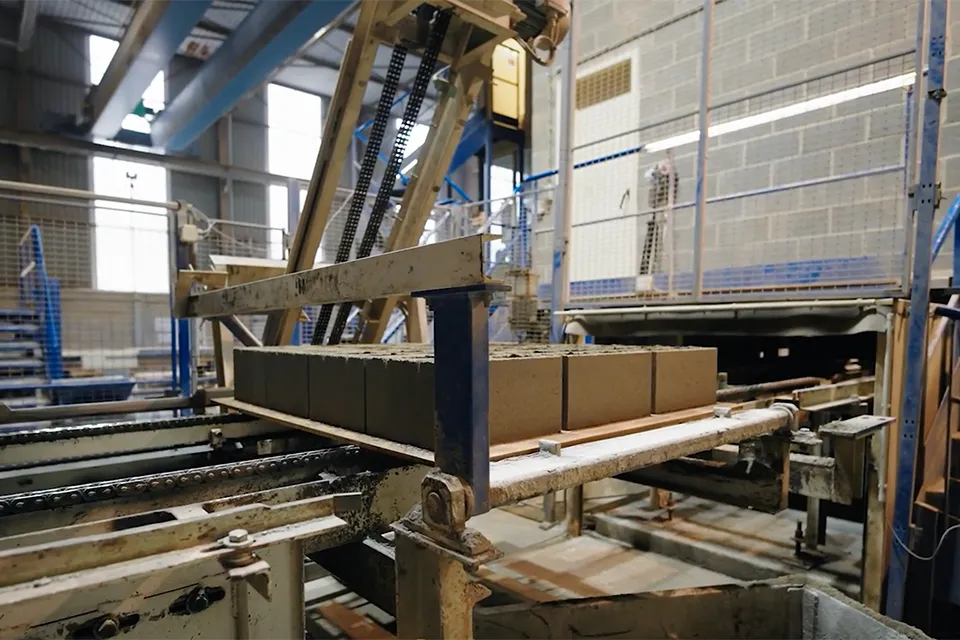
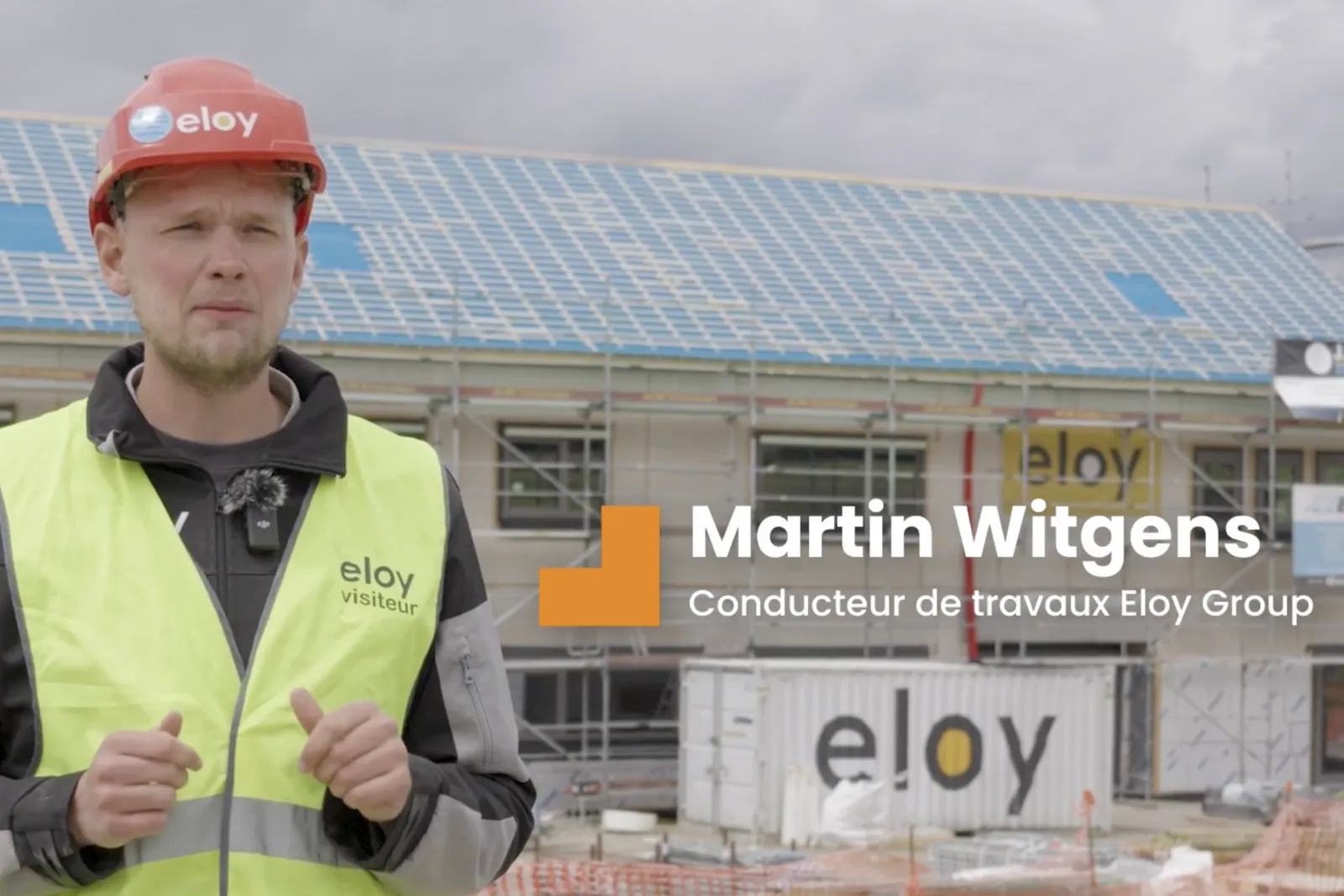
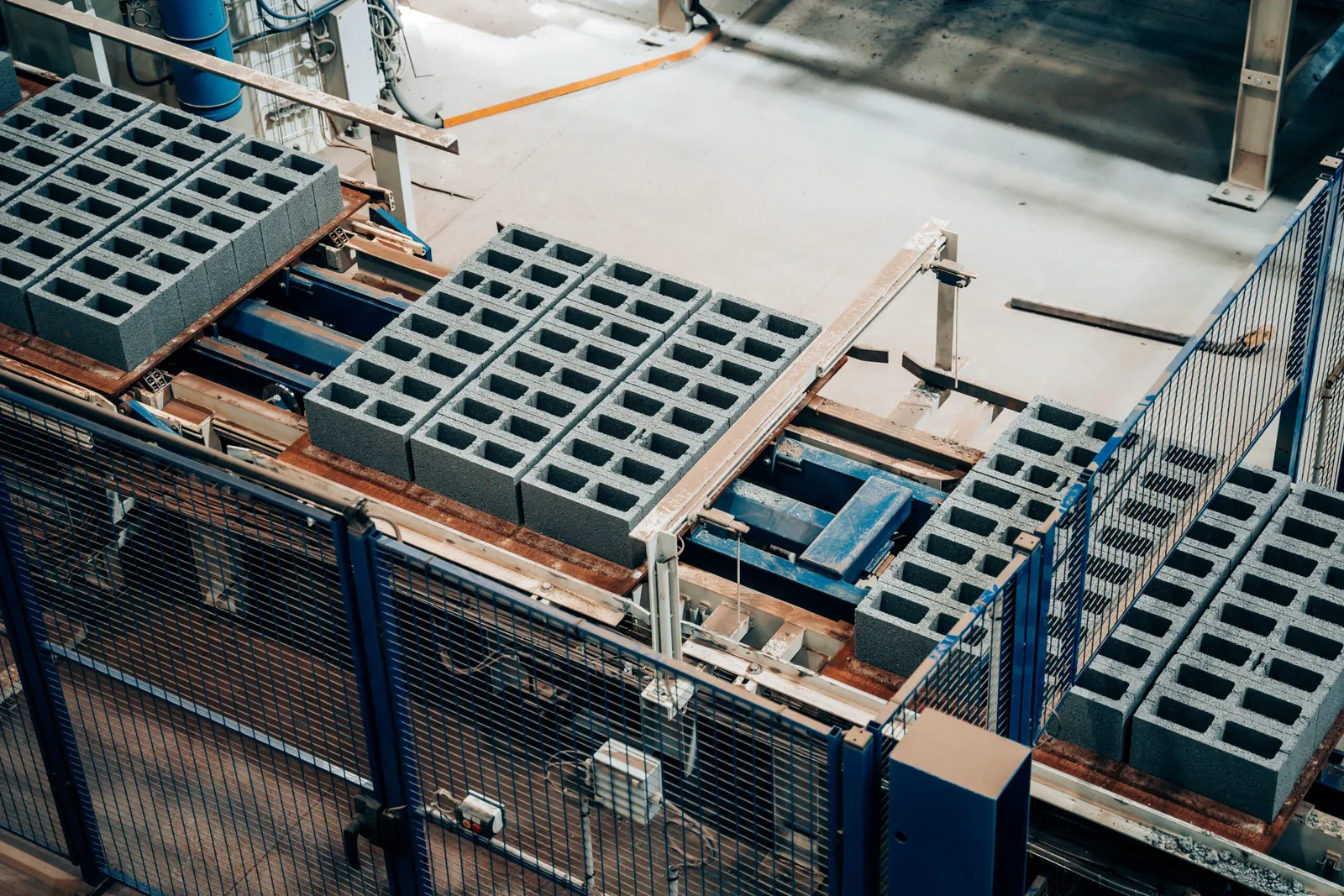
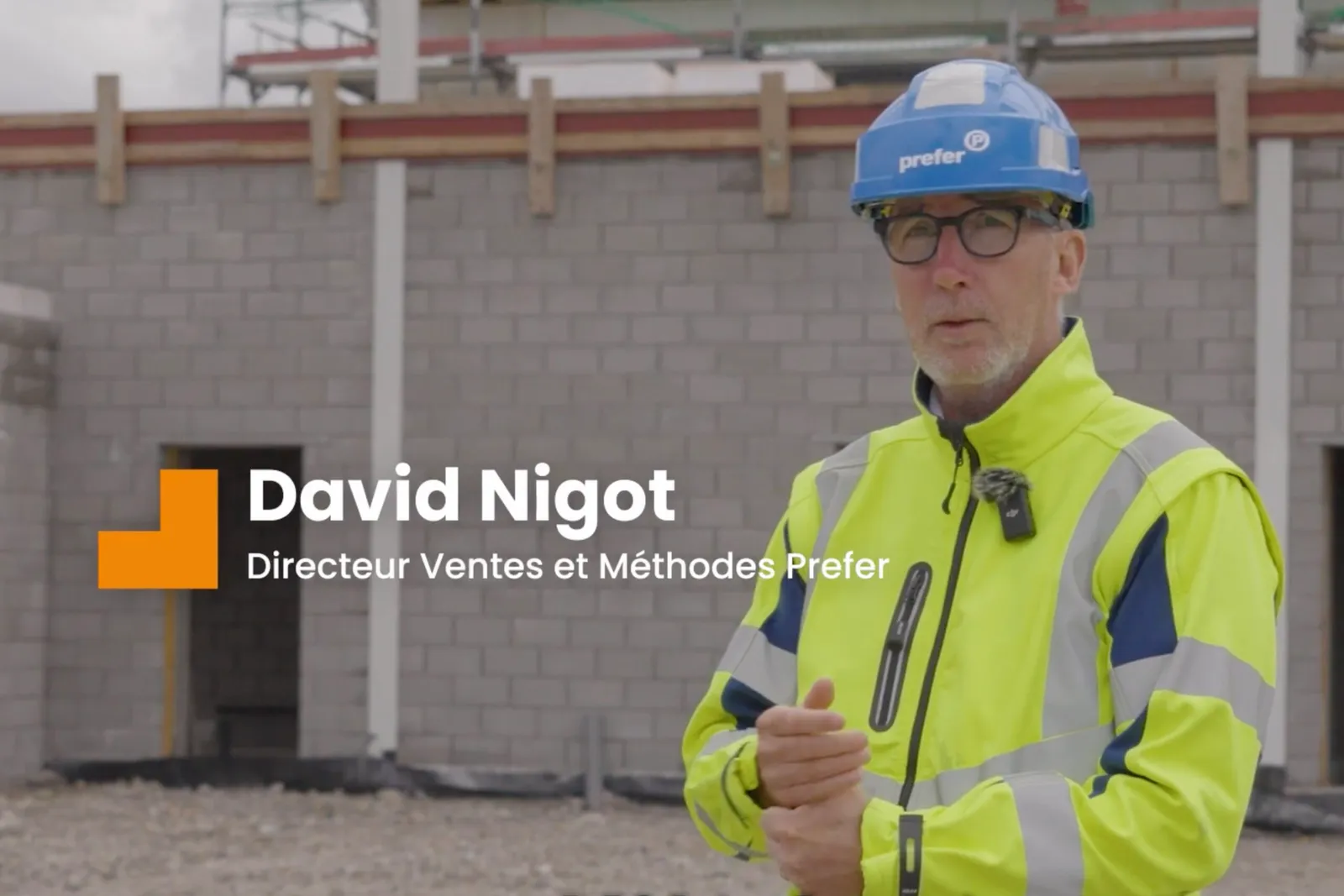
Masonry work on the new Centre Médical Héliporté (CMH) in Bra-sur-Lienne is using Prefer’s innovative Carbstone blocks. Made entirely from recycled materials and containing no cement, these blocks absorb and neutralise CO₂ throughout their life cycle, giving them a negative carbon footprint. In this video, Prefer and main contractor Eloy explain how the technology works and show that these sustainable masonry blocks can be laid without changing standard construction methods.
Een zakelijke vraag aan Prefer? Get in touch
Full transcript
00:00:00,640 –> 00:00:02,120
We’re in Bra-sur-Lienne
00:00:02,120 –> 00:00:02,800
where Eloy’s teams
00:00:02,800 –> 00:00:03,920
are building
00:00:03,920 –> 00:00:05,320
the new CMH base.
00:00:05,320 –> 00:00:08,000
CMH stands for Centre Médical Héliporté.
00:00:08,000 –> 00:00:11,120
It’s an organisation that carries out
00:00:11,120 –> 00:00:12,800
rescue missions every day
00:00:12,800 –> 00:00:14,480
for the entire population.
00:00:14,480 –> 00:00:15,040
On this site,
00:00:15,040 –> 00:00:17,560
we’re currently using
00:00:17,560 –> 00:00:18,840
Carbstone blocks.
00:00:18,840 –> 00:00:20,000
The main difference between
00:00:20,000 –> 00:00:21,040
a traditional masonry block
00:00:21,040 –> 00:00:21,680
and a Carbstone block
00:00:21,680 –> 00:00:22,520
is that the Carbstone block
00:00:22,520 –> 00:00:24,640
is made without cement,
00:00:24,640 –> 00:00:25,960
and is made from 100%
00:00:25,960 –> 00:00:27,280
recycled materials.
00:00:27,280 –> 00:00:28,760
The icing on the cake is that
00:00:28,760 –> 00:00:30,040
these recycled materials
00:00:30,040 –> 00:00:31,160
need CO2 to harden.
00:00:31,160 –> 00:00:32,680
They need CO2.
00:00:32,680 –> 00:00:34,100
So this CO2 reacts
00:00:34,100 –> 00:00:35,640
with the raw material,
00:00:35,640 –> 00:00:37,300
a by-product of the steel industry.
00:00:37,640 –> 00:00:39,220
When they combine,
00:00:39,220 –> 00:00:40,400
they form limestone.
00:00:40,400 –> 00:00:42,160
So this CO2 acts as a binder
00:00:42,160 –> 00:00:43,600
to harden the block
00:00:43,600 –> 00:00:45,200
Read the full transcriptCollapse transcript
in our curing chambers.
00:00:45,200 –> 00:00:46,720
The carbon footprint of our
00:00:46,720 –> 00:00:48,040
Carbstone block is quite remarkable.
00:00:48,040 –> 00:00:48,480
In fact,
00:00:48,480 –> 00:00:50,080
manufacturing a traditional block
00:00:50,080 –> 00:00:51,000
made with cement
00:00:51,000 –> 00:00:52,100
releases around
00:00:52,100 –> 00:00:53,440
1 kg of CO2
00:00:53,440 –> 00:00:54,200
into the atmosphere
00:00:54,200 –> 00:00:55,600
for a 14 block.
00:00:55,600 –> 00:00:57,080
But to make the same block
00:00:57,080 –> 00:00:58,640
using Carbstone technology,
00:00:58,640 –> 00:01:00,560
we absorb and remove
00:01:00,560 –> 00:01:01,680
1 kg of CO2 from the atmosphere.
00:01:01,680 –> 00:01:03,400
So the overall difference is 2 kg
00:01:03,400 –> 00:01:04,640
for a 14 block,
00:01:04,640 –> 00:01:07,400
which makes this block unique on the market,
00:01:07,400 –> 00:01:08,560
as we’re the only ones
00:01:08,560 –> 00:01:09,640
able to offer
00:01:09,640 –> 00:01:11,200
a negative carbon balance
00:01:11,200 –> 00:01:12,520
for a construction material.
00:01:12,520 –> 00:01:13,720
At Eloy, we’d like to
00:01:13,720 –> 00:01:15,840
reduce our CO2 emissions,
00:01:15,840 –> 00:01:18,000
and also reduce our use
00:01:18,000 –> 00:01:19,840
of raw materials on site.
00:01:19,840 –> 00:01:20,720
What immediately
00:01:20,720 –> 00:01:22,040
appealed to us about the Carbstone block
00:01:22,040 –> 00:01:23,440
was how closely it resembled
00:01:23,440 –> 00:01:24,640
a traditional block.
00:01:24,640 –> 00:01:25,440
That meant we could use
00:01:25,440 –> 00:01:28,440
a construction material
00:01:28,440 –> 00:01:29,320
that reduced
00:01:29,320 –> 00:01:30,640
our environmental impact,
00:01:30,640 –> 00:01:31,360
without changing
00:01:31,360 –> 00:01:32,400
the way we work.
00:01:32,400 –> 00:01:33,360
That made the transition
00:01:33,360 –> 00:01:33,960
much easier
00:01:33,960 –> 00:01:34,840
for our teams.
00:01:34,840 –> 00:01:36,080
Our aim, of course,
00:01:36,080 –> 00:01:37,160
is to continue working
00:01:37,160 –> 00:01:37,720
with Prefer
00:01:37,720 –> 00:01:39,320
and to use these blocks
00:01:39,320 –> 00:01:41,000
on most of our sites,
00:01:41,000 –> 00:01:41,960
or on all the sites
00:01:41,960 –> 00:01:43,240
where we can use them,
00:01:43,240 –> 00:01:44,000
whether large-scale
00:01:44,000 –> 00:01:45,000
or small-scale.
00:01:45,000 –> 00:01:46,420
The Carbstone project at Prefer
00:01:46,420 –> 00:01:48,560
represents five years of R&D,
00:01:48,560 –> 00:01:50,280
and five years of work
00:01:50,280 –> 00:01:52,400
by our engineers on a substantial project.
00:01:52,400 –> 00:01:54,200
So it’s a great success for us,
00:01:54,200 –> 00:01:55,520
especially for a product
00:01:55,520 –> 00:01:56,920
with such exceptional
00:01:56,920 –> 00:01:58,540
environmental credentials.
Companies in this story

Keep following this
Get an email when a new story is published. No account needed.
- ThemeBuilding with less carbon
- SubjectNews
- CompanyPrefer







