











Building sustainably, for real: perspectives on the sector’s room for manoeuvre
Texte Joaquim Dupont Photos Yvan Glavie Photography
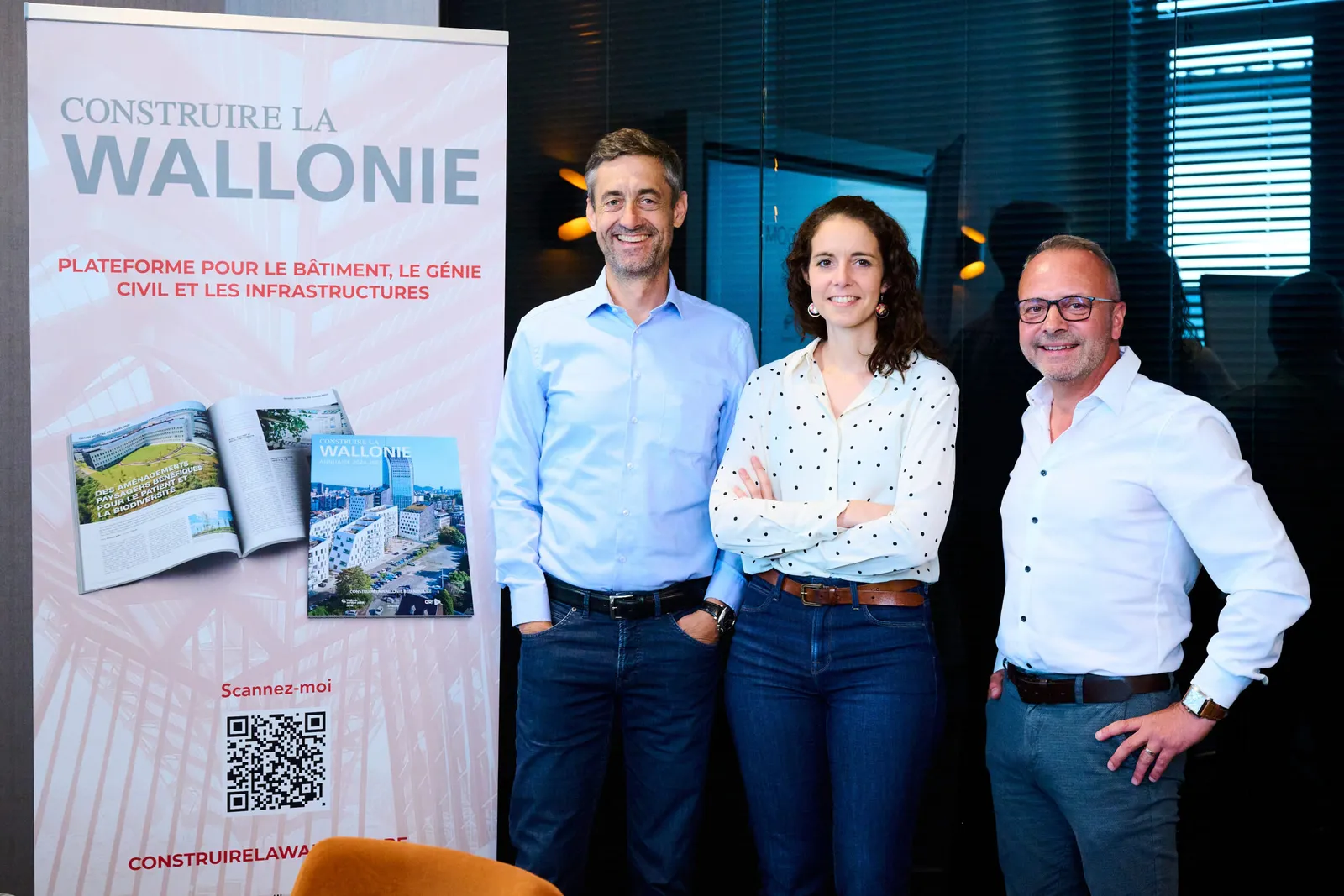
Following an initial round table on renovation, the series of meetings organised by Louwers Mediagroep continued with another essential and pressing issue for the construction sector: sustainability.
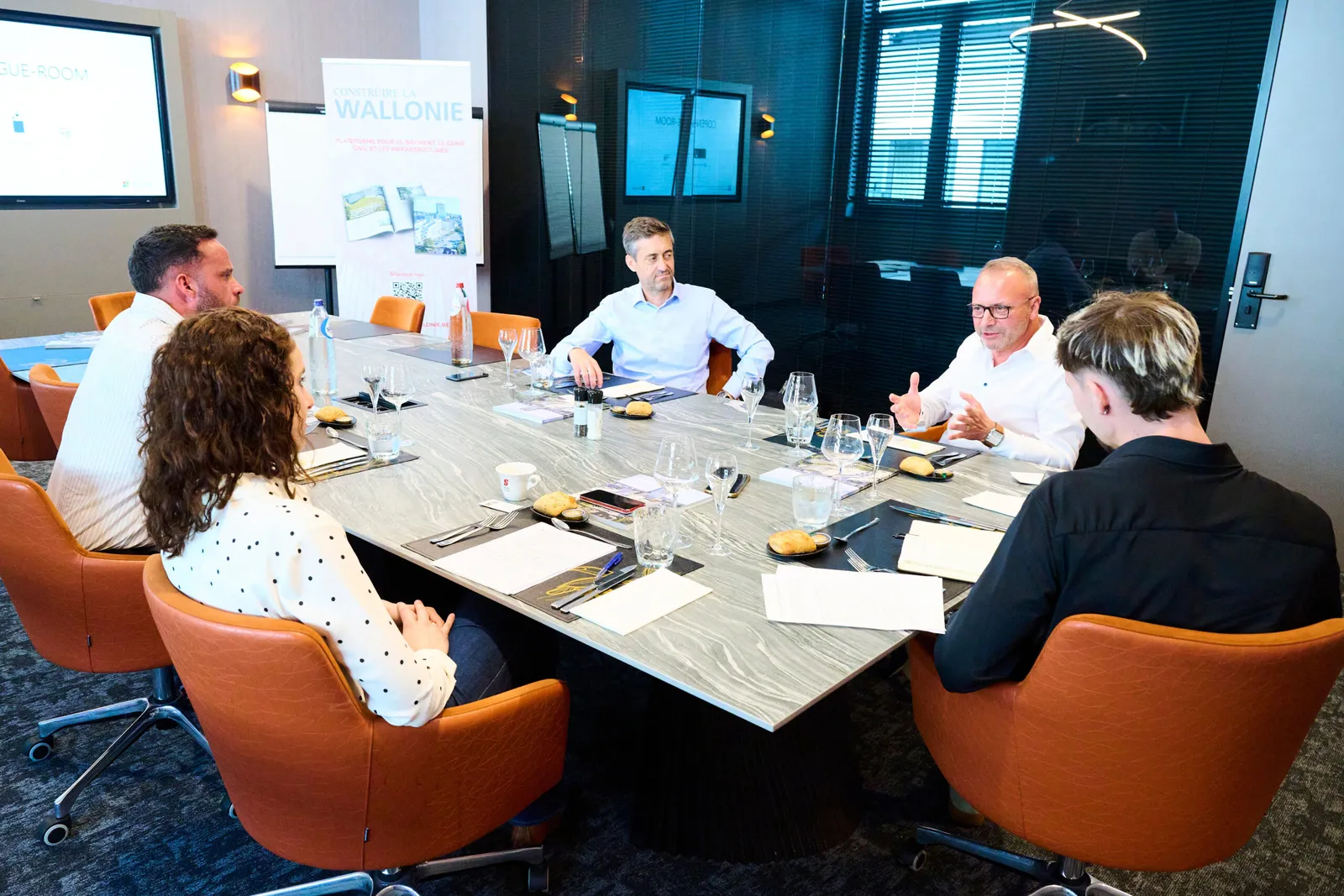
The discussion centred on a key question: how can sustainability be made truly practical on site, both now and in the future, and enable the sector to achieve its complex but necessary transition towards sustainability? Three participants with complementary backgrounds shared their observations and explored a range of possible approaches: Olivier Legendre, CEO of Wako Portes et Fenêtres, Antoine David, Study Director at Thomas & Piron Bâtiment, and Hélène Delloge, Environment, Energy & Sustainability Manager at Embuild Wallonie.
What do they have in common? They all reject the gap between environmental ambitions and operational realities, while highlighting the efforts already being made and the changes already under way in the sector. Pragmatic yet firmly optimistic about the future of sustainable construction, the three experts agreed on one crucial ambition: to move beyond announcements and turn words into action.
The round table was once again moderated by Joaquim Dupont, journalist and translator at communications agency Palindroom, a long-standing partner of publisher Louwers Mediagroep.
Sustainable materials: environmental requirements and on-site realities
From the outset, construction materials emerged as a central topic: they determine the actual sustainability of projects and shape design choices. Their impact goes beyond technical considerations, affecting supply-chain economics and the very evolution of the construction profession.
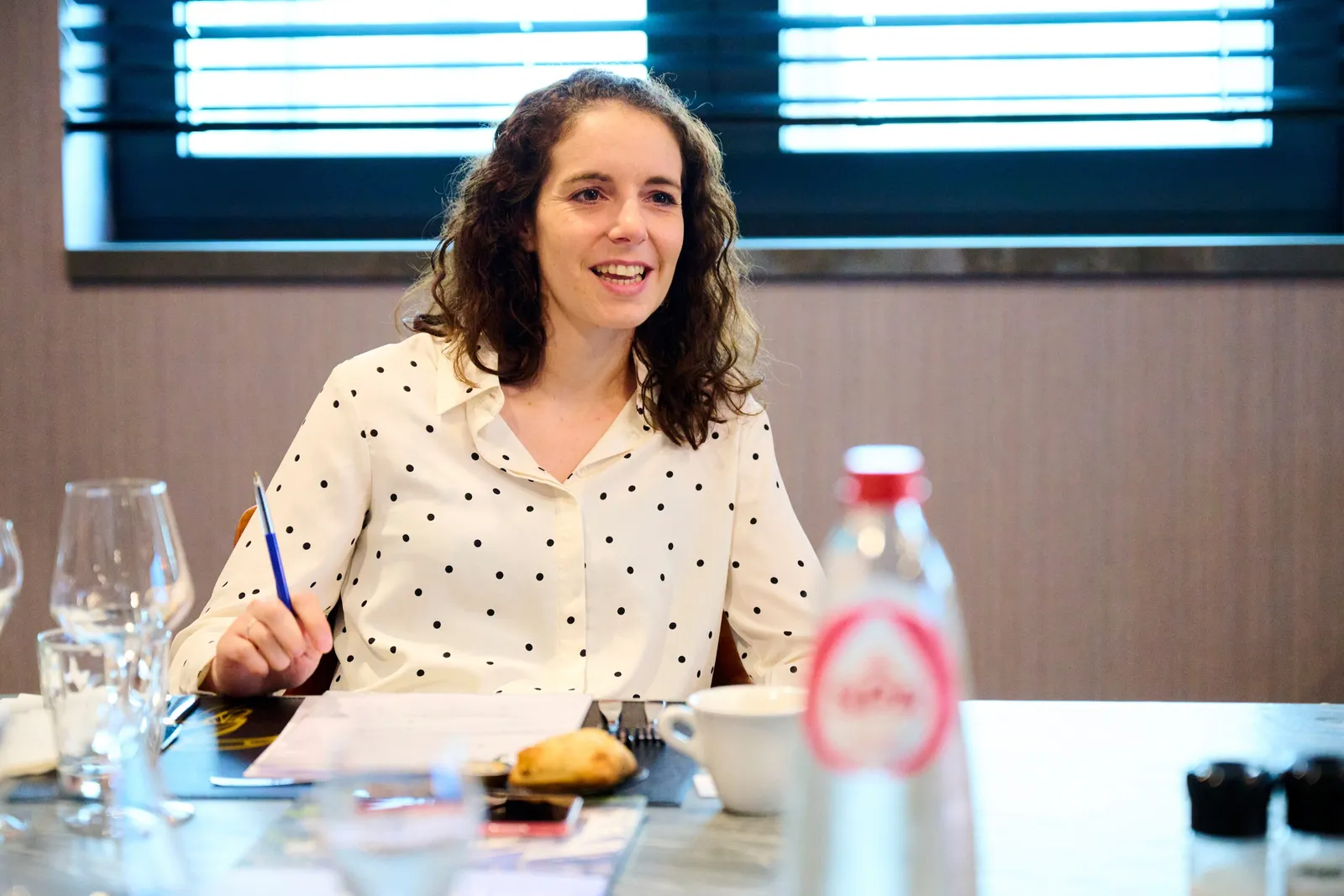
For Embuild, Hélène Delloge stressed the need to develop low-carbon supply chains without creating greater regulatory complexity: “For example, the ‘Sustainable Joinery’ certification looks like a promising tool, but only if it is used consistently and recognised by clients.” She also noted that the legislative framework, which is often regionalised, can either support or hinder these developments.
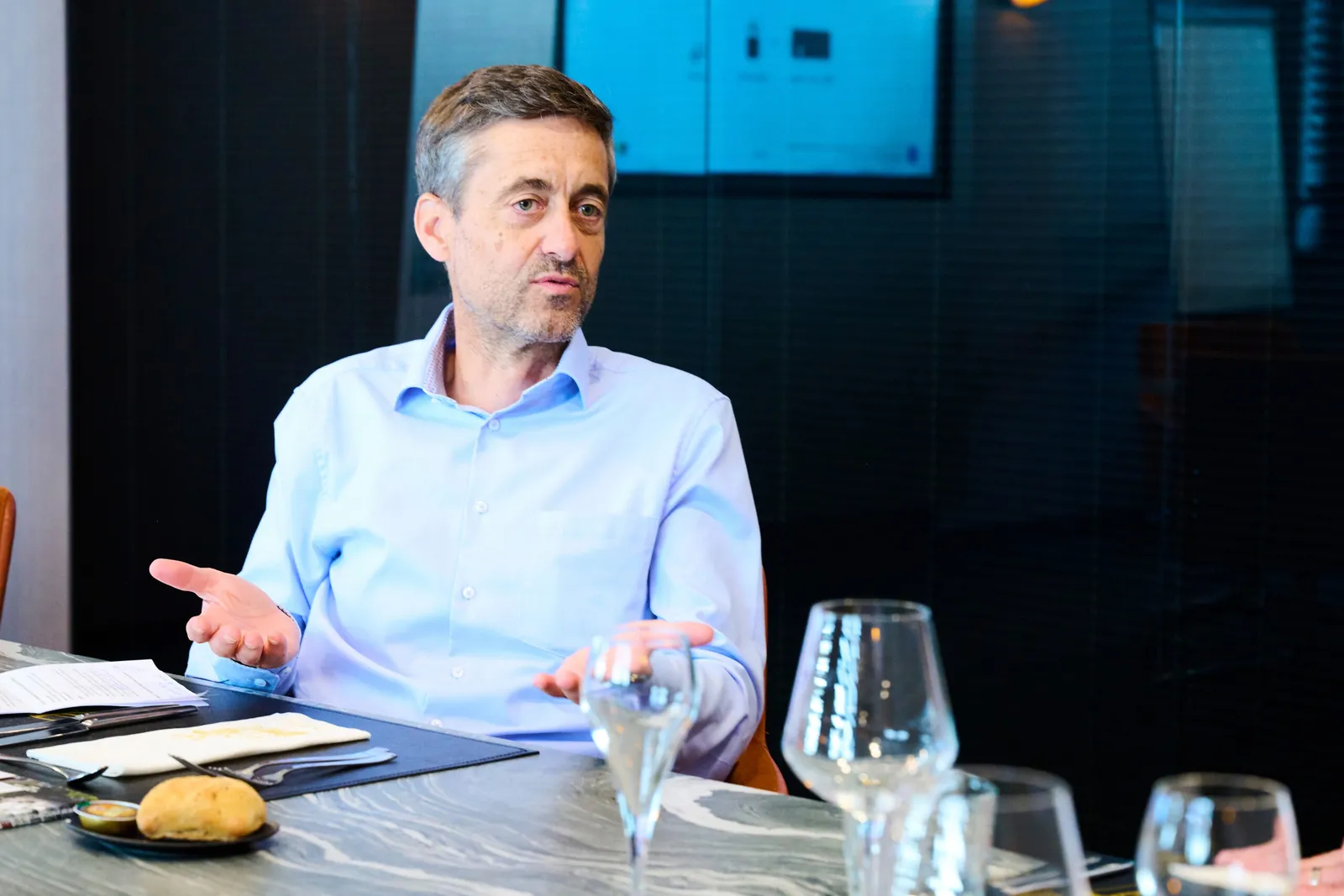
Antoine David noted that Thomas & Piron is already taking concrete steps to reduce the embodied energy of its buildings, for example by prioritising local supply chains, recycled steel and materials with environmental declarations. However, he pointed out that switching to more sustainable products still often comes at a higher cost than traditional alternatives. “Every material choice has a direct impact on the price of a home and therefore on its affordability,” he explained. That is why sustainability must always be assessed against multiple criteria, to strike a balance between environmental ambitions, economic viability and housing affordability. Thomas & Piron seeks to put this balance into practice in every project, throughout Wallonia and Brussels.
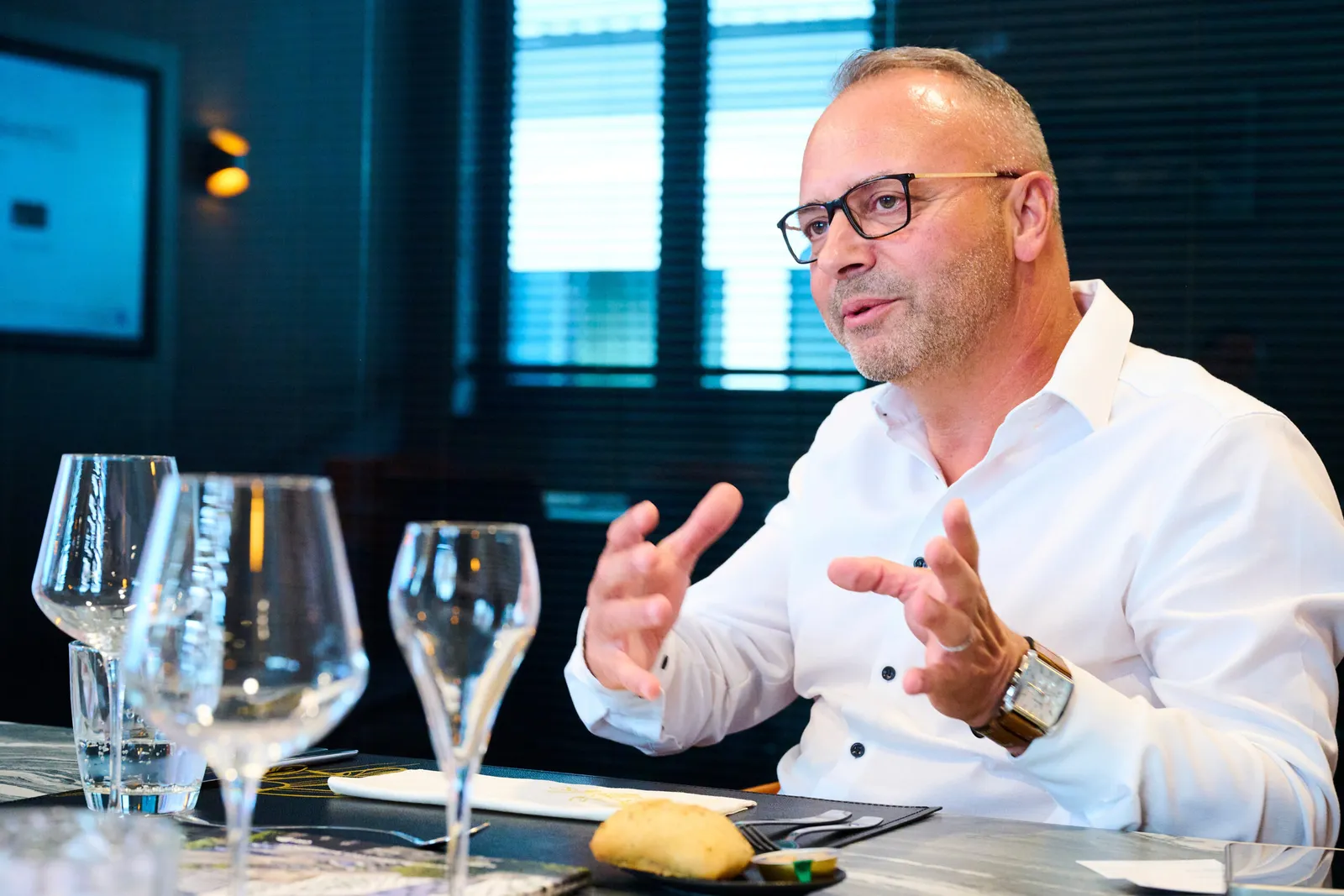
Olivier Legendre noted that technical choices are often dictated by specifications, leaving an assembler such as Wako, at the end of the supply chain, with little room to manoeuvre. More than 90% of the carbon impact of its products comes from purchased components, such as profiles, glazing and accessories, over which it can only exert indirect influence. This situation has also led him to question the proliferation of labels: they are useful if recognised contractually, but problematic if they multiply without having any practical effect.
Everyone agreed that environmental product declarations (EPDs) are now an essential common language for accurately measuring the carbon footprint of our buildings. However, they are still too rarely used in practice, and their interpretation requires guidance, particularly for clients, so that they become a genuine decision-making tool rather than just another technical document.
Project governance: integrating sustainability from the design stage
Project governance emerged as another decisive lever for turning environmental ambitions into reality. These ambitions cannot be added partway through: they must be integrated from the design stage. This means bringing the various stakeholders together at an early stage so they can develop coherent, effective and sustainable solutions together.
For Olivier Legendre, assemblers such as Wako are often consulted “when everything has already been decided”. He is calling for a more open approach to projects, in which technical constraints are shared at an early stage rather than imposed. He cited cases where a simple discussion could have prevented costly or ineffective inconsistencies.
“We need to give greater recognition to cross-industry initiatives,” Hélène Delloge stressed. “This means structural agreements and sectoral charters, as well as practical mechanisms such as tax incentives or specific contractual clauses to genuinely encourage collaborative project arrangements.”
Antoine David noted that the design-and-build model makes it easier to align environmental ambitions with operational realities. “When designers, contractors, engineering consultancies and manufacturers are involved from the outset, we can anticipate potential obstacles more effectively and develop solutions that are genuinely relevant,” he explained. For him, the form of the project arrangement is just as important as the ambition set at the outset, as is the collaborative dynamic between stakeholders. He also noted that incorporating environmental certification requirements, such as BREEAM or WELL, reinforces this approach by structuring collective efforts around shared objectives.
Finally, everyone highlighted the decisive role of public clients. As major commissioning bodies, they have real influence across the sector. However, this depends on their including clear, consistent and shared environmental criteria in their tender documents, while ensuring these are realistic in relation to the budgets available. It is impossible to keep demanding higher technical and environmental performance if the funding is not there. Only then can public procurement give businesses the visibility they need and create a framework conducive to sustainable innovation.
Innovating sustainably: a more flexible framework for progress
The third topic was innovation, an essential driver of the transition to sustainability. A familiar paradox soon emerged: while regulatory, insurance and administrative frameworks safeguard safety and quality, their lack of flexibility can hinder the adoption of new practices. The participants therefore agreed that the protective role of these frameworks must be preserved while allowing more room for experimentation.
Hélène Delloge noted that the professional organisation Embuild is actively working to evolve regulations, but that the process can take a long time and hold back innovative initiatives. She also highlighted the potential role of digital tools, including BIM models, digital twins and interregional platforms, in simulating performance and making a stronger case for innovative choices.
Antoine David explained that Thomas & Piron is already incorporating various innovative solutions, including timber structures, recycled materials and lower-impact construction techniques. However, he noted that insurance-related obstacles, particularly those linked to the ten-year liability period, continue to slow their adoption. “That is why we are taking a gradual approach: testing on a small scale, documenting the results and then rolling out the solutions more widely,” he said. He also stressed the importance of assessing innovations in terms of overall return on investment: some solutions, although more expensive to buy, deliver substantial savings in use while improving the comfort and value of buildings.
Olivier Legendre added: “Innovation is not something you can simply announce; it takes work. In particular, it takes time to prepare and share knowledge between all the stakeholders.” He called for validation procedures to evolve and take greater account of on-site feedback, helping to persuade more professionals to change their practices and adopt new sustainable approaches.
Everyone is calling for a more flexible and adaptable construction framework that can support the environmental transition while ensuring the safety and confidence essential to projects.
Occupant comfort: a key aspect of sustainability
The final topic was an essential one: the actual comfort of building occupants. For every solution described as ‘sustainable’, it is crucial to understand all its effects, both positive and negative, on everyday quality of life. The participants therefore stressed that environmental performance and occupant comfort must go hand in hand, and that a project’s success should also be measured by the satisfaction of the people who live in it.
Olivier Legendre gives the example of triple glazing, which improves winter insulation but can prove counterproductive in summer. “Wako would rather see the side effects of certain choices described or considered as ‘green’ assessed more systematically, including overheating, condensation and inadequate ventilation, among many others. Performance should not become a burden; it should be an opportunity to create spaces that are genuinely comfortable to live in all year round,” he explained.
Hélène Delloge stressed that guidance is key: “Training in the optimal use of the tools provided, raising awareness and sharing information about new developments, and making clear documentation available are all crucial areas that are still neglected or underestimated today.” She also pointed out that certain requirements, such as the EPC certificate, do not take sufficient account of occupants’ overall comfort or of buildings’ adaptability over time.
Antoine David stresses that sustainability must deliver tangible benefits for users by improving comfort, energy performance and long-term value. Thomas & Piron anticipates energy needs to avoid over-specification, promotes renewable energy and designs homes that can adapt as people’s needs change. Sustainable housing is conceived as a space that supports its occupants throughout their lives.
As was already the case with manufacturers, the three experts call for users to be involved earlier in the design process, through participatory approaches or ongoing evaluation mechanisms, to prevent problems during construction or while buildings are in use.
Towards workable sustainability
After two hours of wide-ranging discussion, one conviction emerges: sustainability cannot be decreed, it must be built. It must draw on practical experience, the expertise of each stakeholder and the ability to engage in dialogue around shared goals. More than a slogan, it becomes a collective process, demanding yet conducive to innovation and progress. In a word: pragmatism. But a pragmatism that paves the way for concrete, accessible and sustainable solutions across the sector.
Question about this story? Ask your question
Keep following this
Get an email when a new story is published. No account needed.
- SubjectNews







