











Back to school and inauguration of Belgium’s first ‘rail school’
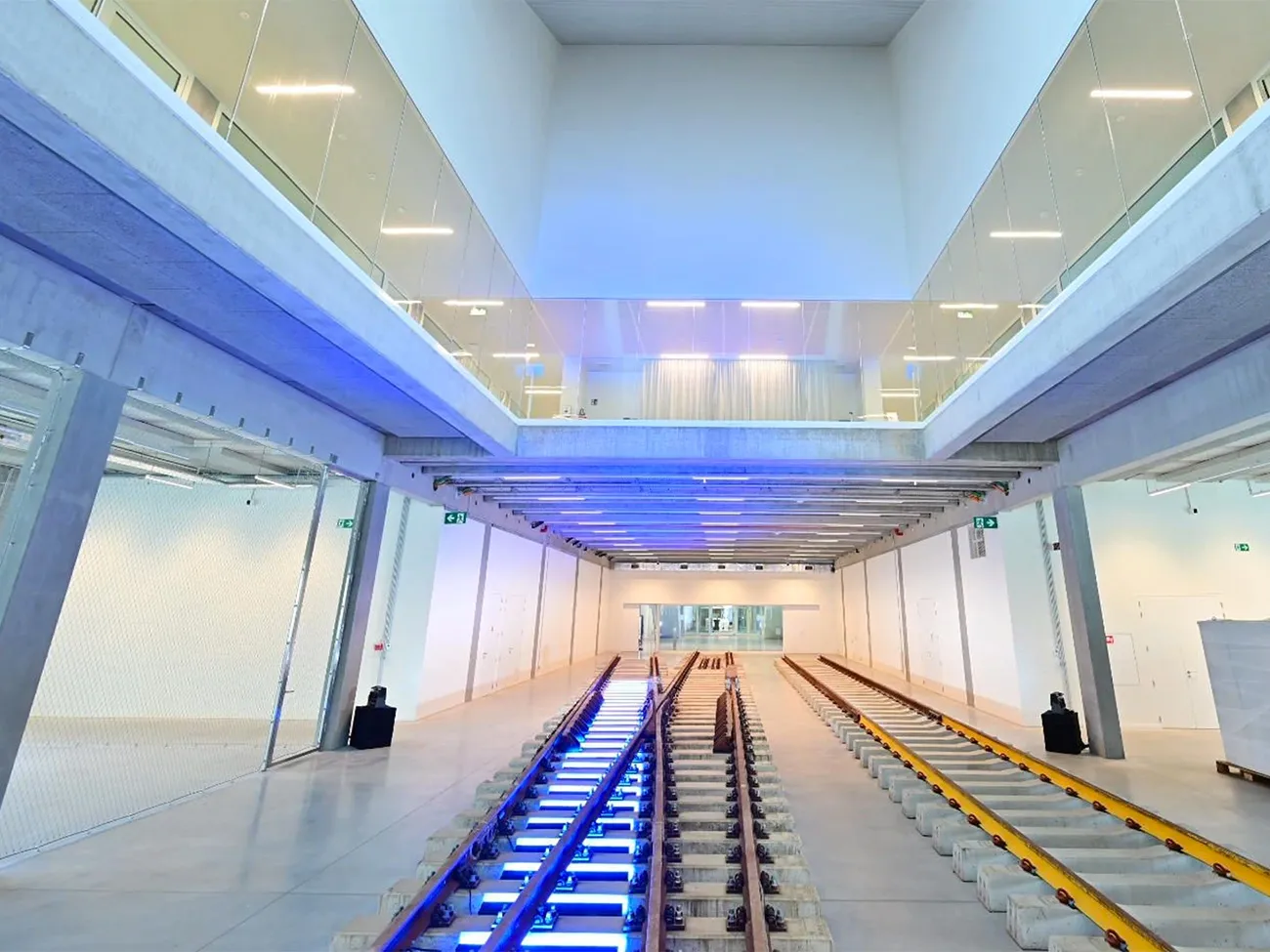
At the beginning of 2018, rail infrastructure manager Infrabel launched work on Infrabel Academy. This Wednesday, nine months after the work was completed, the health situation finally allowed for a proper return to school and an inauguration worthy of the occasion: the opening of Belgium’s first ‘rail school’. The site, located right next to Brussels-West station, will bring together the hundreds of training courses needed to manage the country’s 3,600 km of railway lines on a day-to-day basis.
Training for staff brought together in the capital
Belgium’s education system offers plenty of opportunities to follow a technical course. But there is currently no specific pathway leading to a career in rail, either in secondary or higher education. Most people wishing to work for Infrabel and contribute to sustainable mobility therefore have to be trained in-house.
These specialist training courses have always been delivered across the country. With the inauguration of Infrabel Academy, they are now brought together in the heart of the Brussels-Capital Region. The choice of site, in Molenbeek-Saint-Jean, was guided by several factors: its central location on the map of Belgium, as well as its excellent public transport links. It is just a short walk from the multimodal ‘Gare de l’Ouest/Bruxelles-Ouest’ station, served by trains, metros and buses.
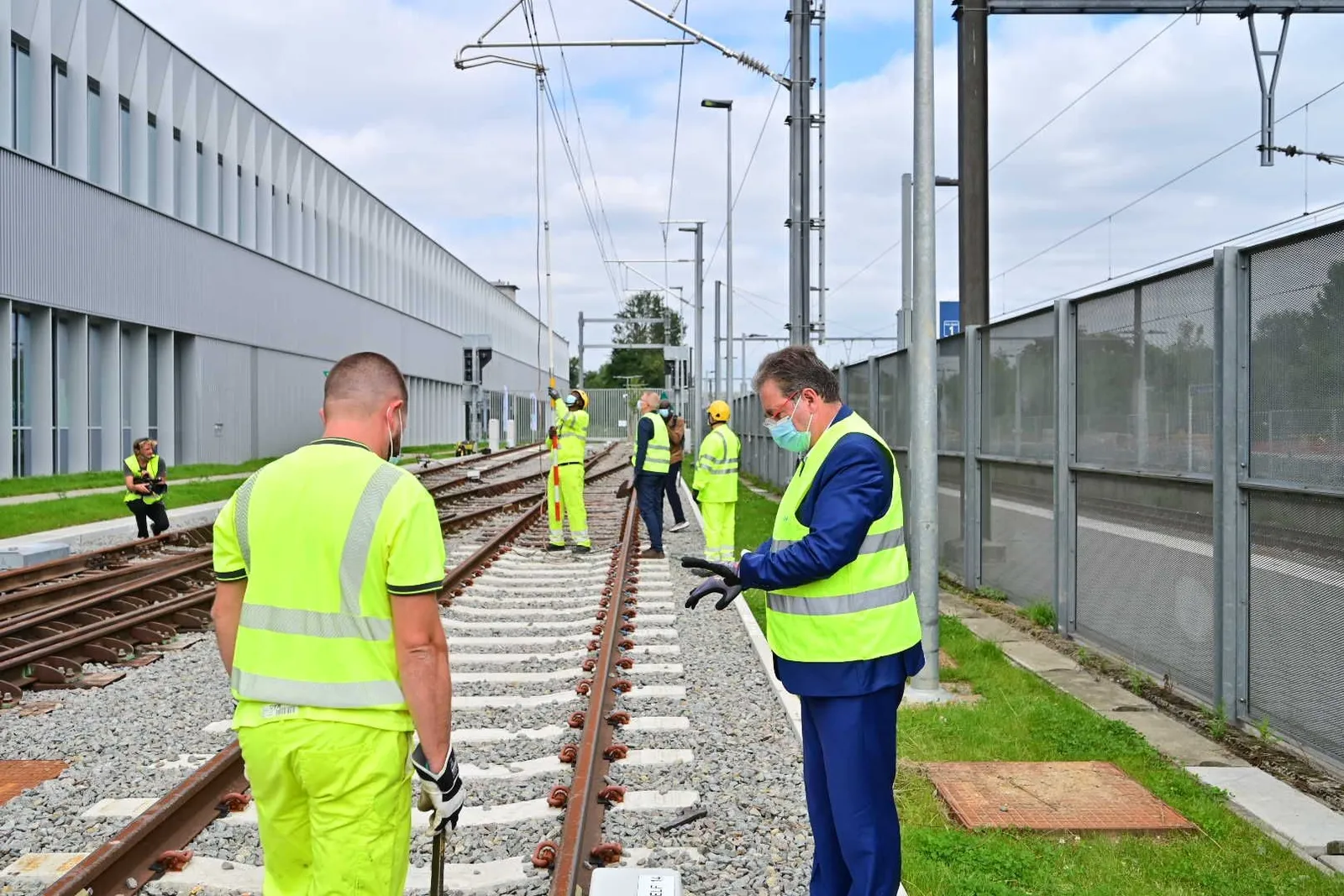
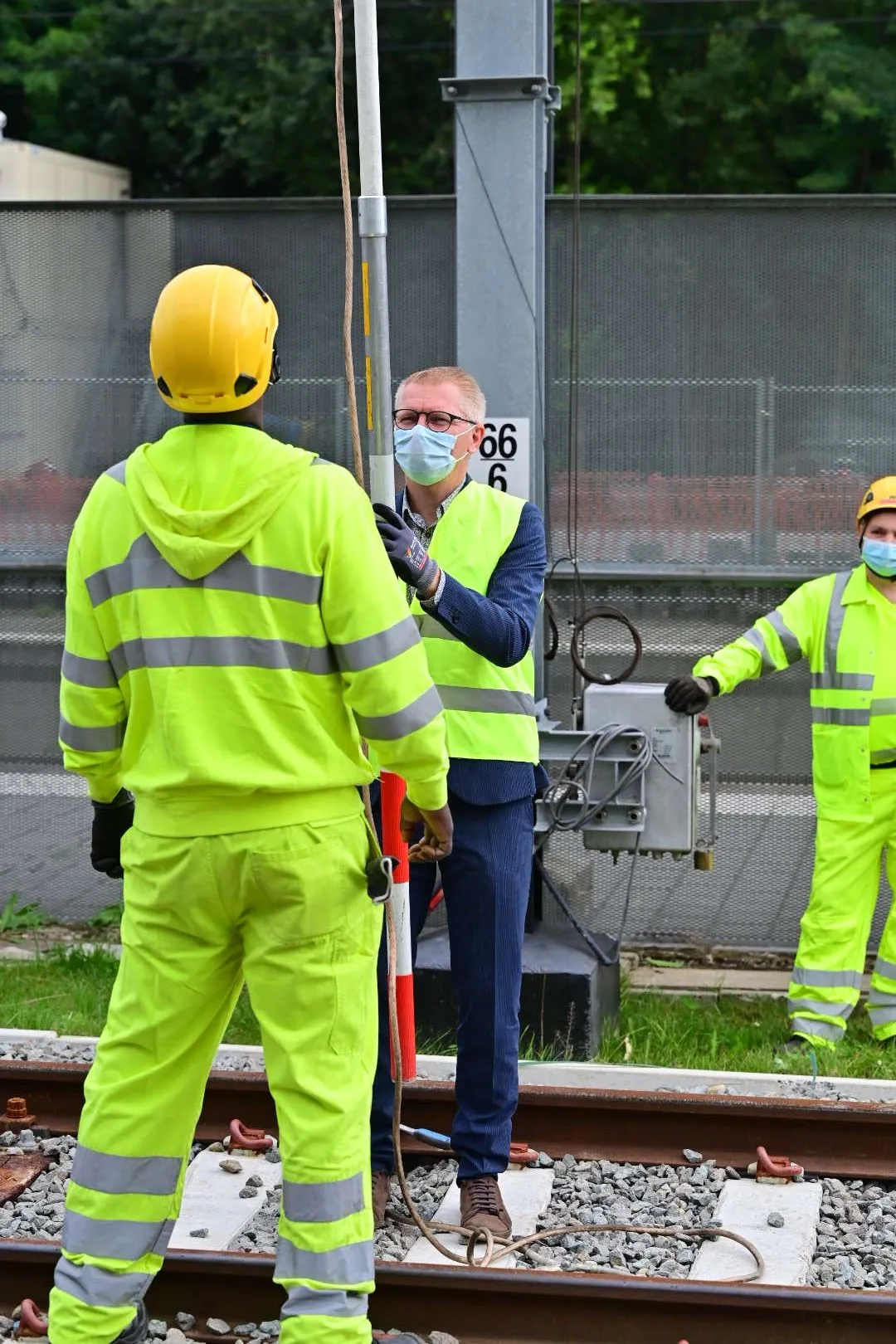
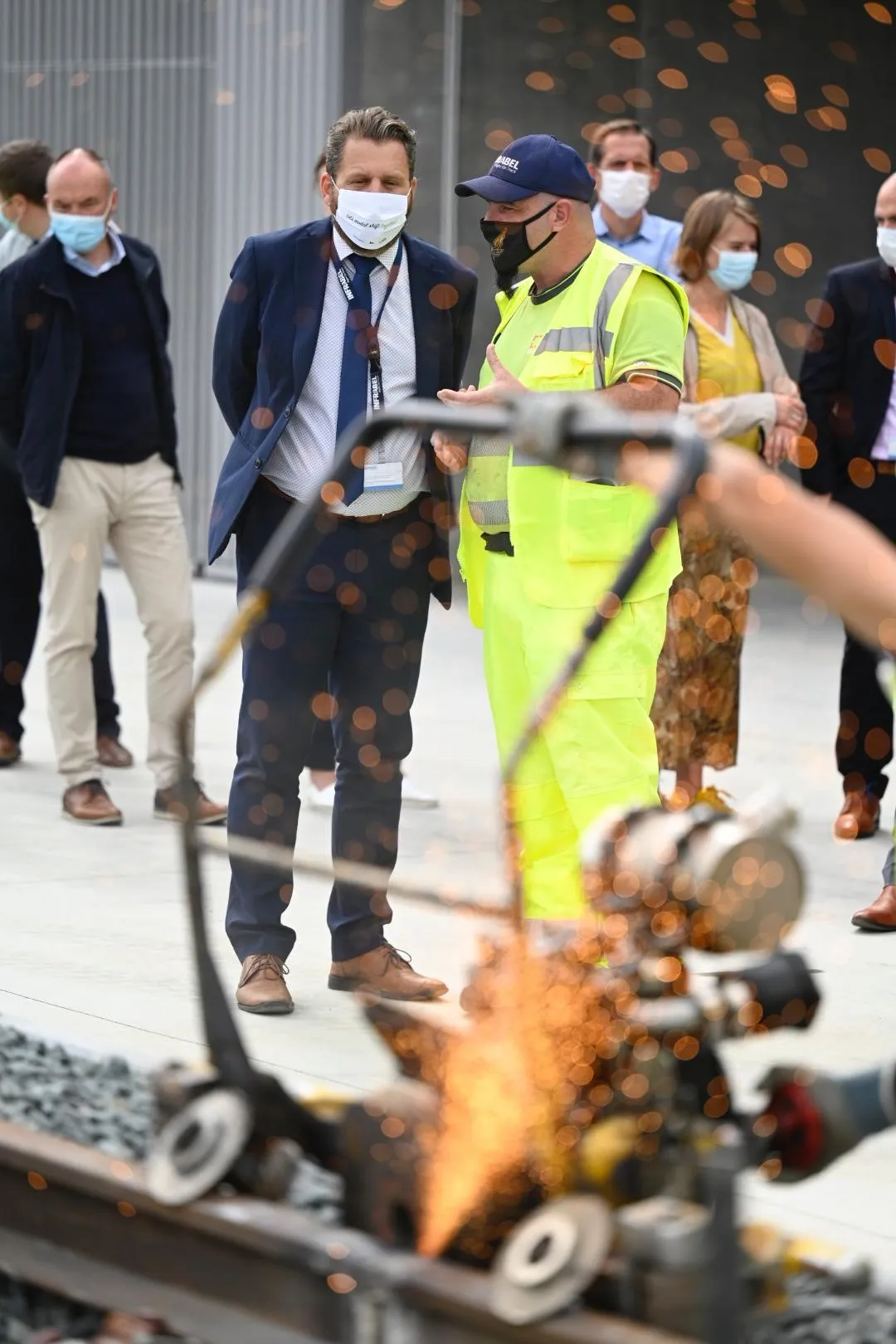
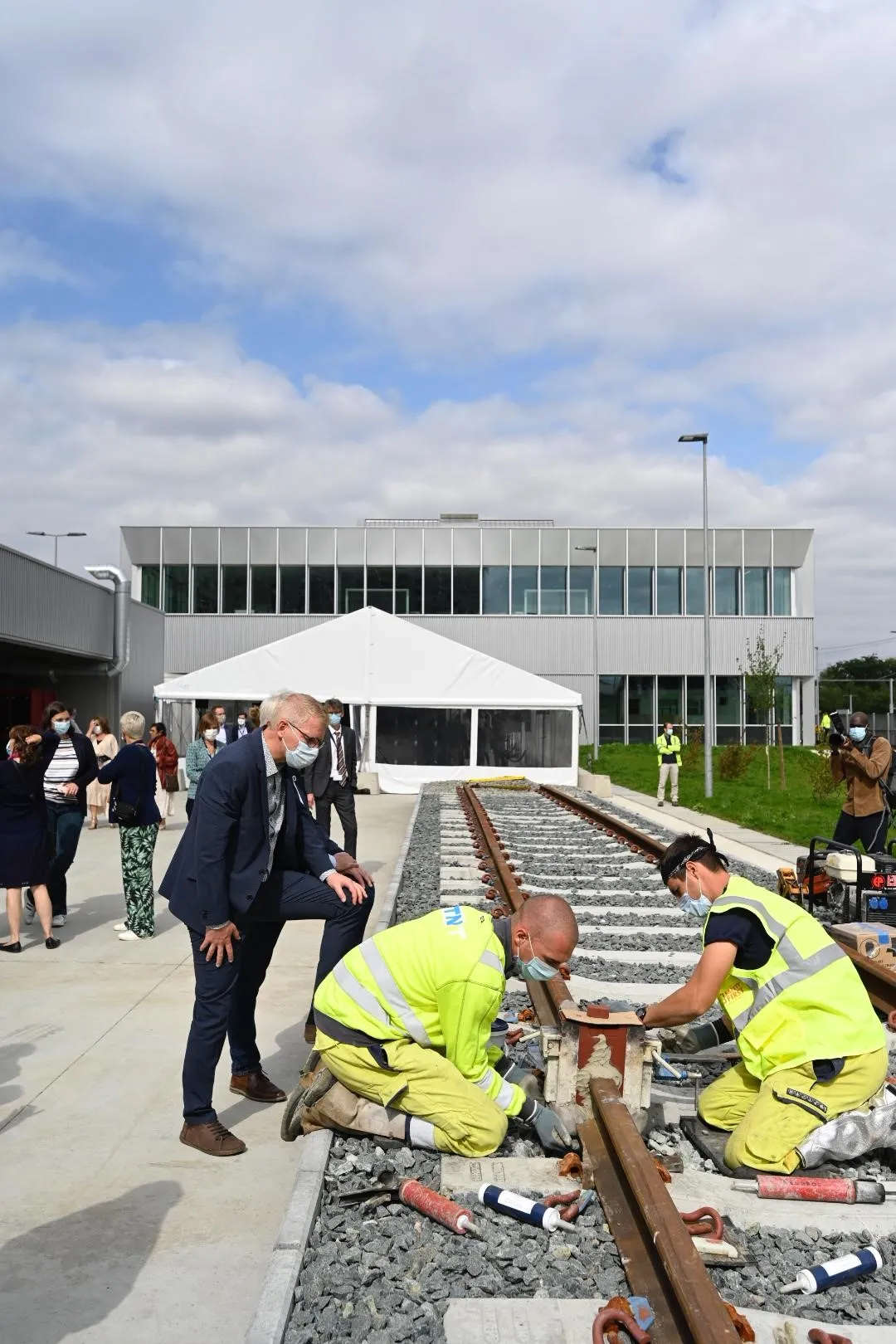
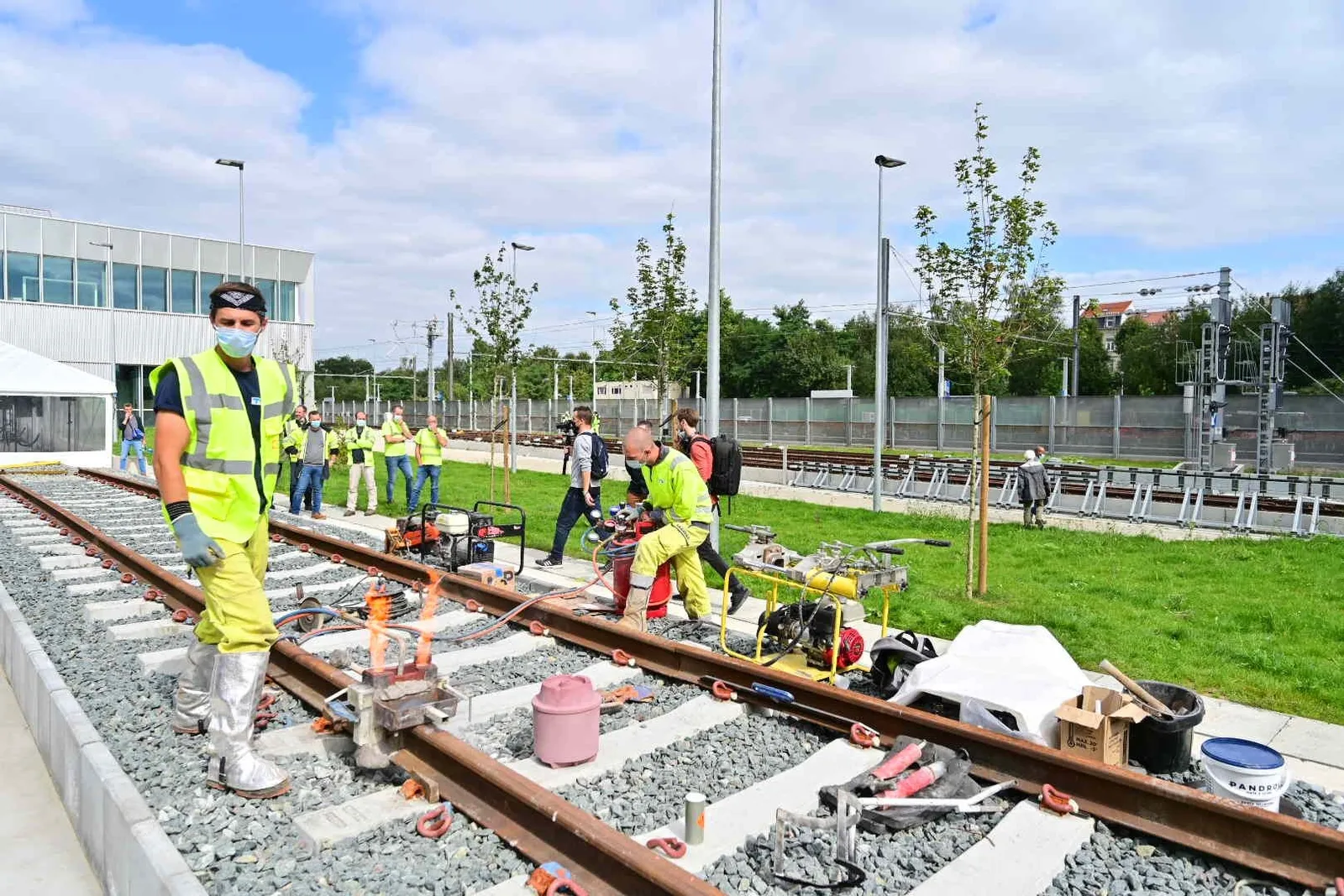
The opening of the doors, celebrated this afternoon by both those who helped bring the project to life and those who will make it part of their daily work, does not mean that all training will move from local sites. Some courses, linked to the specific features of a geographical area or a particular piece of equipment, will continue to be delivered on site.
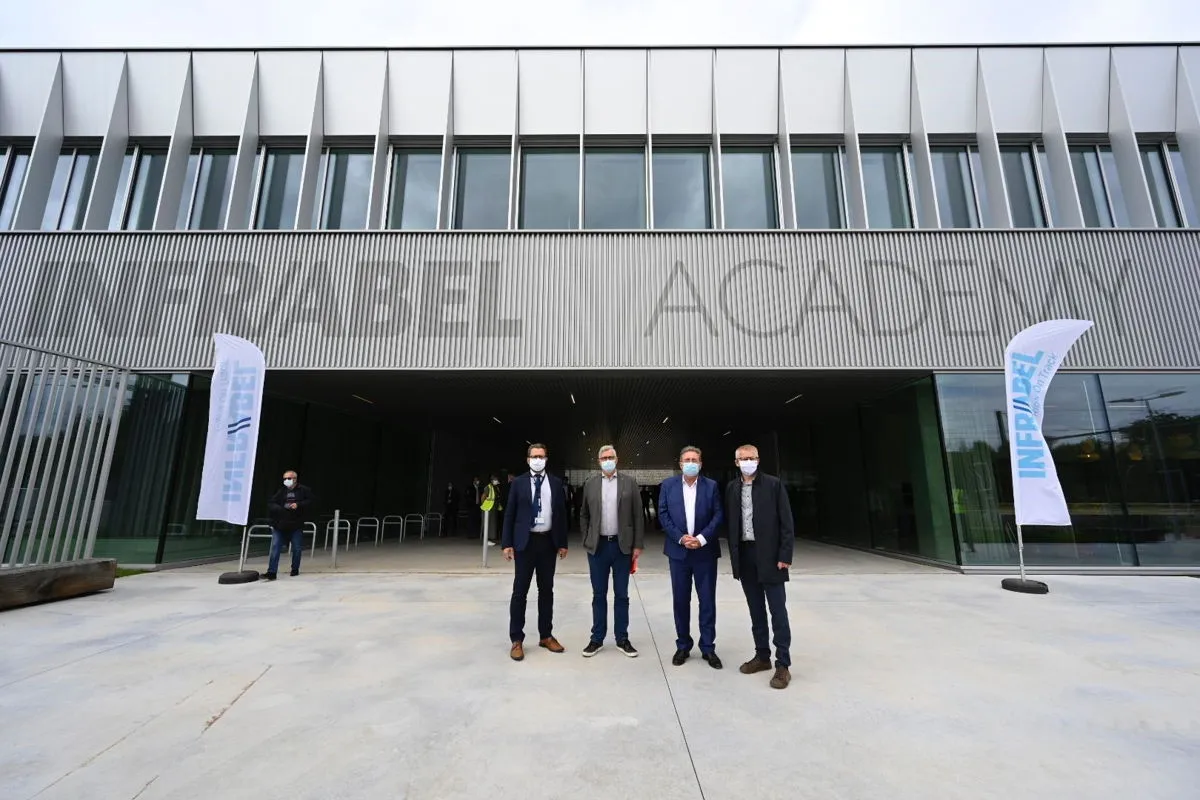
A wide range of practical and theoretical training
Across 8,700 m² of indoor space and 7,500 m² outdoors, Infrabel Academy will offer no fewer than 300 different training courses and classes, leading to around 40 different occupations. These include track worker, railway traffic controller (working in signalling cabins), welder, overhead line specialist and other specialist technicians. Particular attention will also be paid to so-called ‘soft skills’, including leadership training.
Inside the building are 40 classrooms, flexible office space, a first-aid room, several technical areas and a large auditorium with a capacity of 200. Nearly 400 students will be able to attend classes at the academy each day. Needless to say, under the current health measures, lessons will not be held at full capacity. The required social distancing will always be observed.
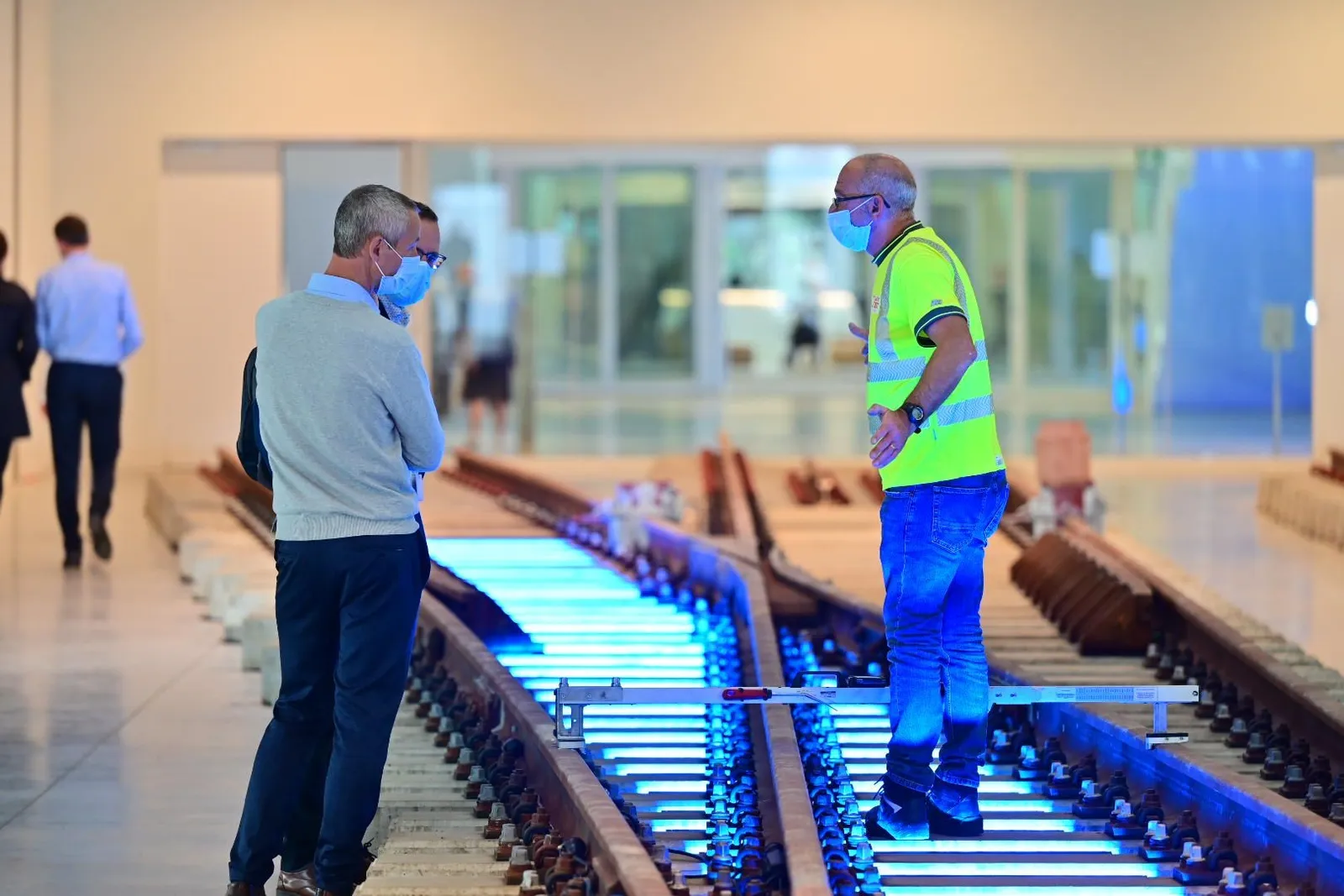
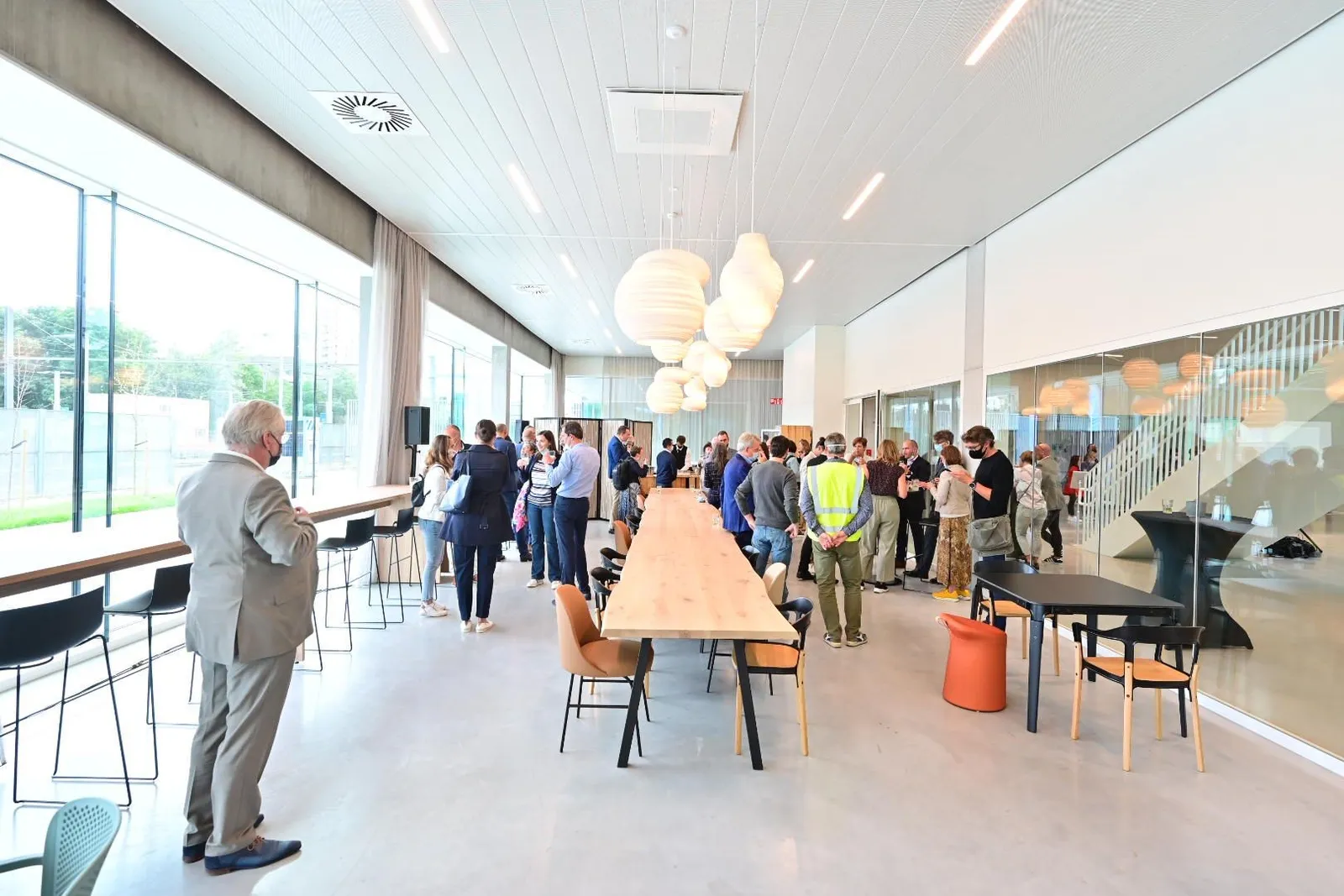
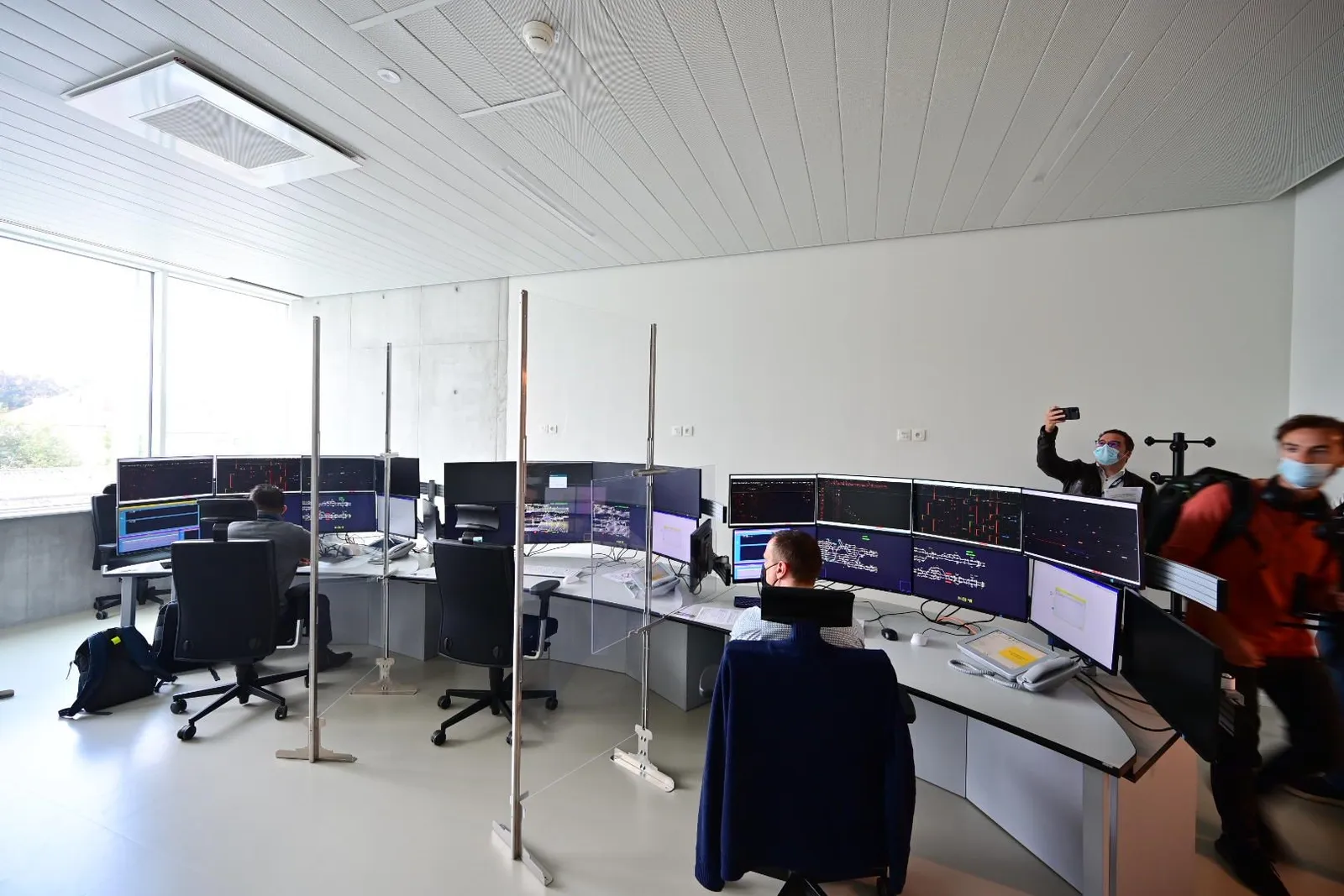
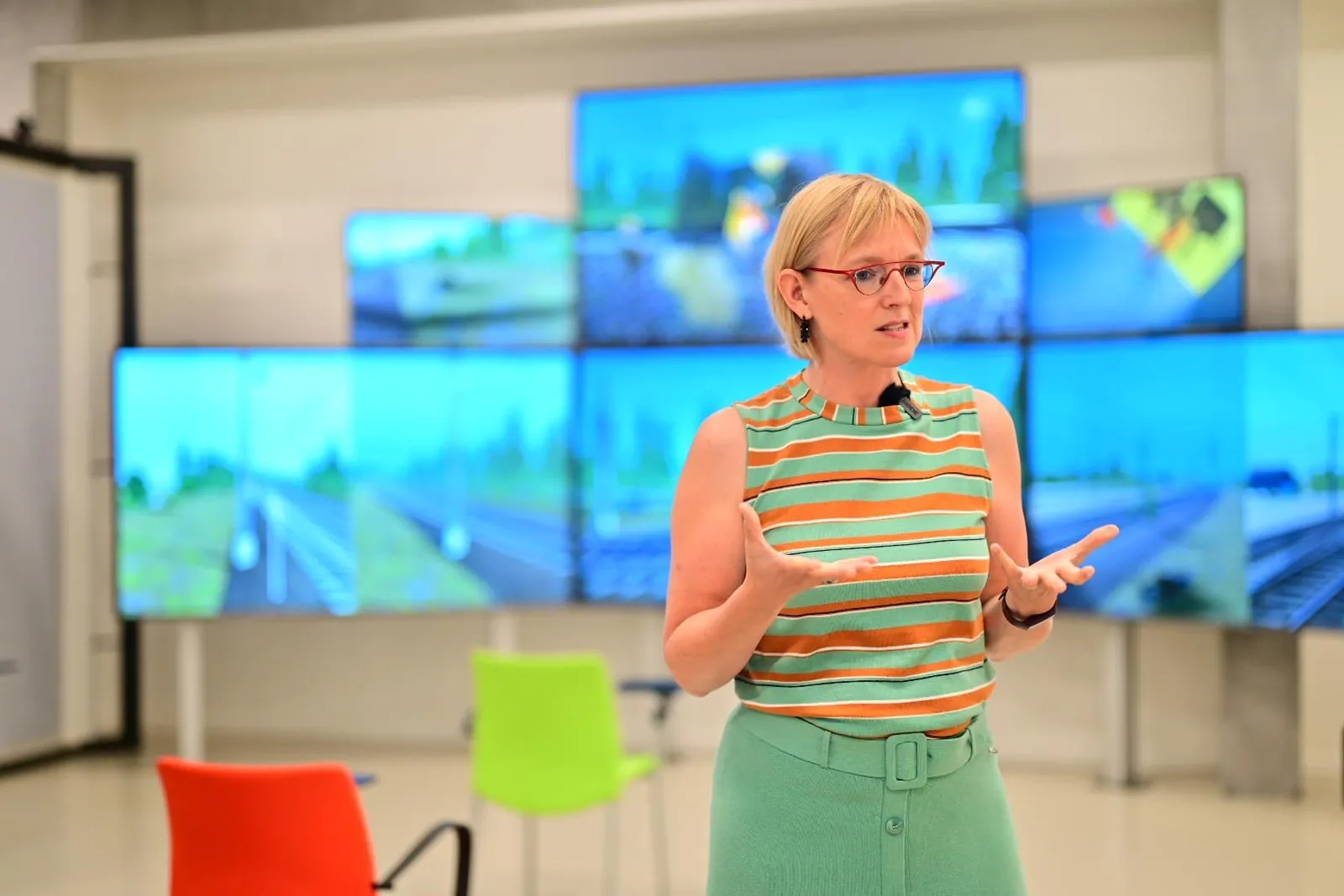
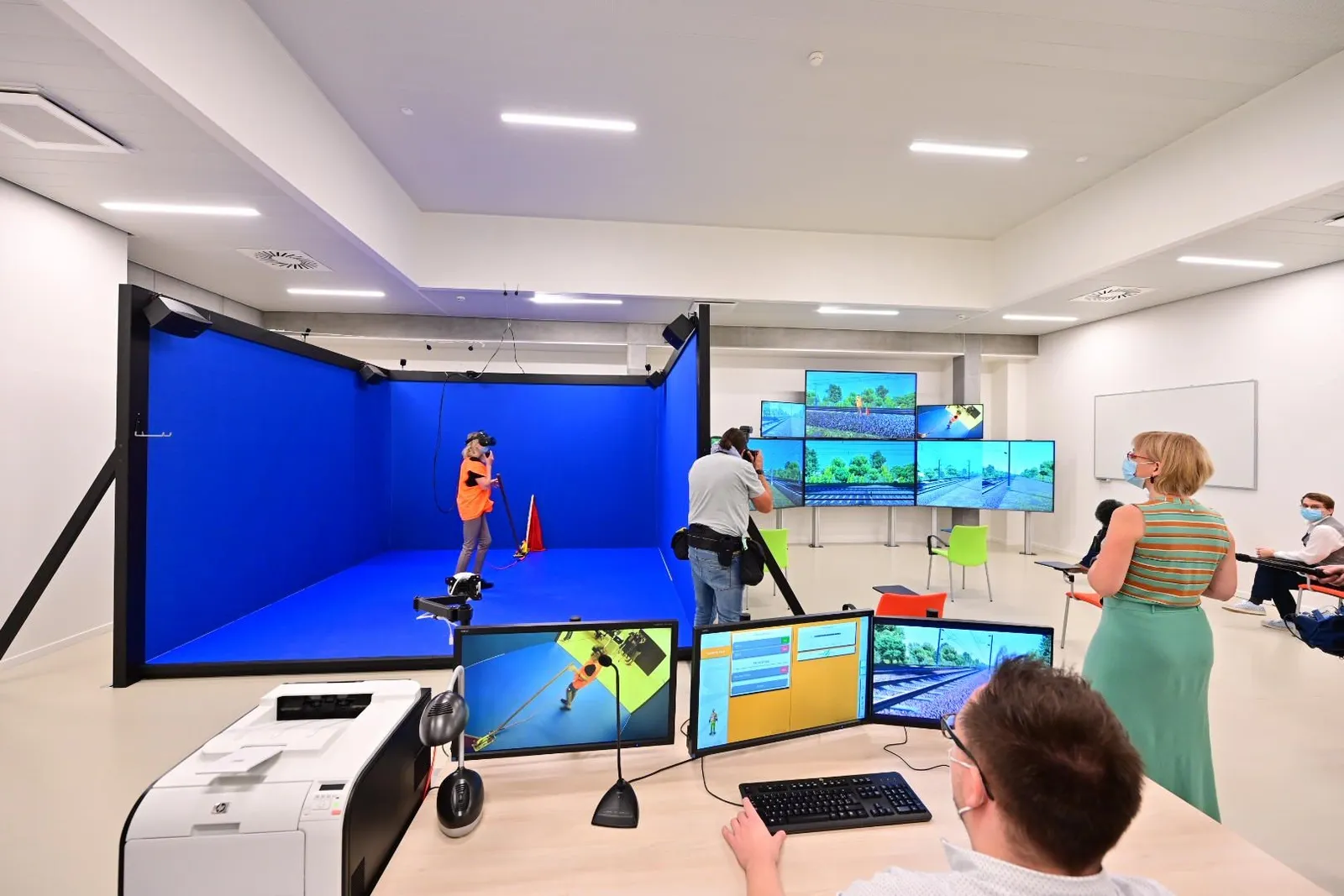
Outside, on the grounds surrounding the building, ten other facilities have been set up so that students can learn in complete safety. These include a section of track, an overhead line (an electric power cable) at human height, signalling equipment, a GSM-R mast (for railway telecommunications), ICT equipment and a level crossing. A ‘training train’ has also been installed. It provides staff with practical training in the different technologies, both old and new, used in signalling cabins.
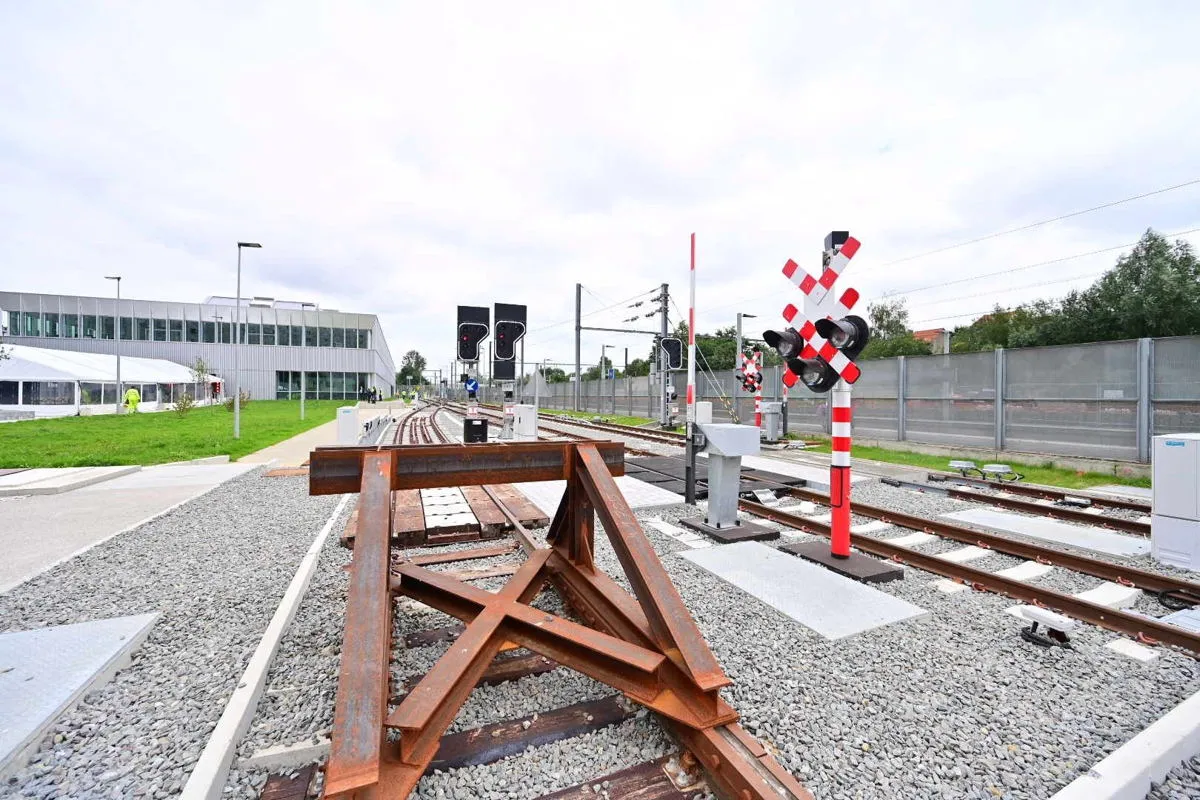
The primary aim is to provide students with as much hands-on training as possible. The academy therefore also focuses on integrated exercises. This means that employees in different roles work together during their training and carry out tasks jointly. In this way, they gain a better understanding of one another’s work.
Major investment in training
Infrabel invests heavily in training. In 2019, the reference year given the upheaval caused by the health crisis, a total of no fewer than 100,000 training days were delivered. This represents expenditure of more than €44 million, or 6.4% of the wage bill. By comparison, the level required by law is 2.5%. Infrabel therefore does almost three times better.
Every year, Infrabel aims to recruit around 600 people with technical profiles. Some 350 positions are still available by the end of 2021, including 51 in the Brussels-Capital Region. The requirements? A technical qualification, namely a second-cycle secondary qualification (4ème year of secondary school), a secondary-school diploma (technical, vocational, arts or general) or a bachelor’s degree, as well as motivated candidates ready to undertake training at Infrabel Academy.
The ‘property’ investment in the Infrabel Academy project amounts to around €20 million.
Question about this story? Ask your question
Keep following this
Get an email when a new story is published. No account needed.
- ThemeTransforming infrastructure and territories
- SubjectNews







