











Atlas Copco unveils its latest innovations for a greener future
At MATEXPO 2021, Atlas Copco will unveil new sustainable mobile compressed-air solutions, electric solutions and friction-drive technology, helping customers reduce operating costs through clean drive technology, improved connectivity and greater versatility.
Cutting emissions and reducing noise levels are among the key concerns for public and municipal authorities, as well as for those who buy and use construction machinery. That is why Atlas Copco invites you to visit stand B52 at MATEXPO, where innovative equipment that is quieter, greener and more compact will be on display.
The electric alternative
Atlas Copco has developed the E-air range of mobile electric compressors and will present its latest models. These new electric units offer an alternative to diesel-powered machines on urban construction sites and at public events. With no diesel engine, there is no need to refuel, increasing efficiency and operating time on site. E-air compressors are easy to install and produce no emissions, allowing owners to stay ahead of future emissions regulations.
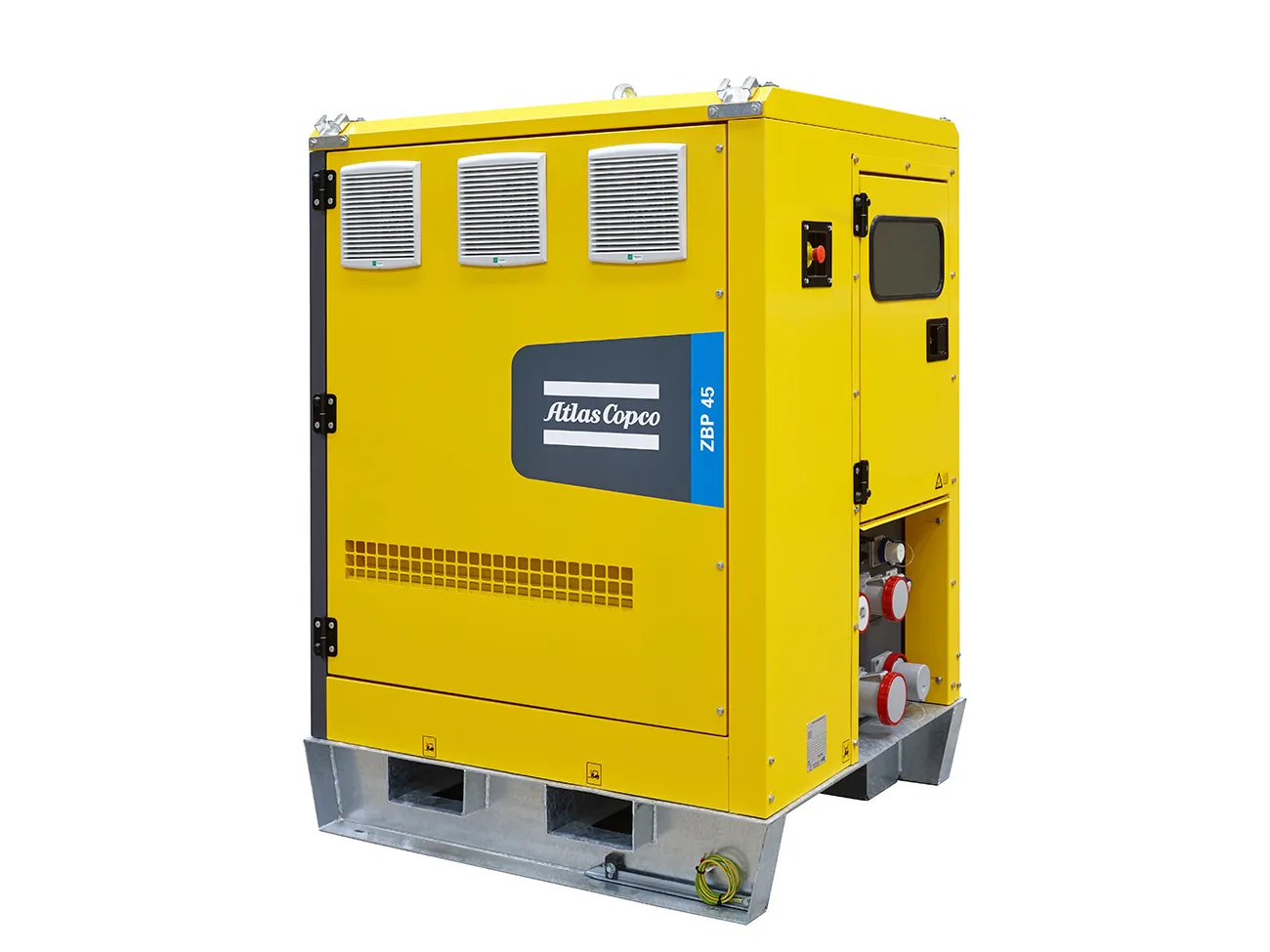
ZenergiZe, lithium-ion energy storage
Atlas Copco will also present ZenergiZe, a new range of lithium-ion energy storage systems. They can be used as a standalone solution or combined with generators to form
a hybrid power supply solution. ZenergiZe produces no on-site CO2 emissions and operates almost silently. This technology enables operators to optimise their carbon footprint while benefiting from a lower total cost of ownership. Atlas Copco is the world’s first generator manufacturer to launch this concept on the market.
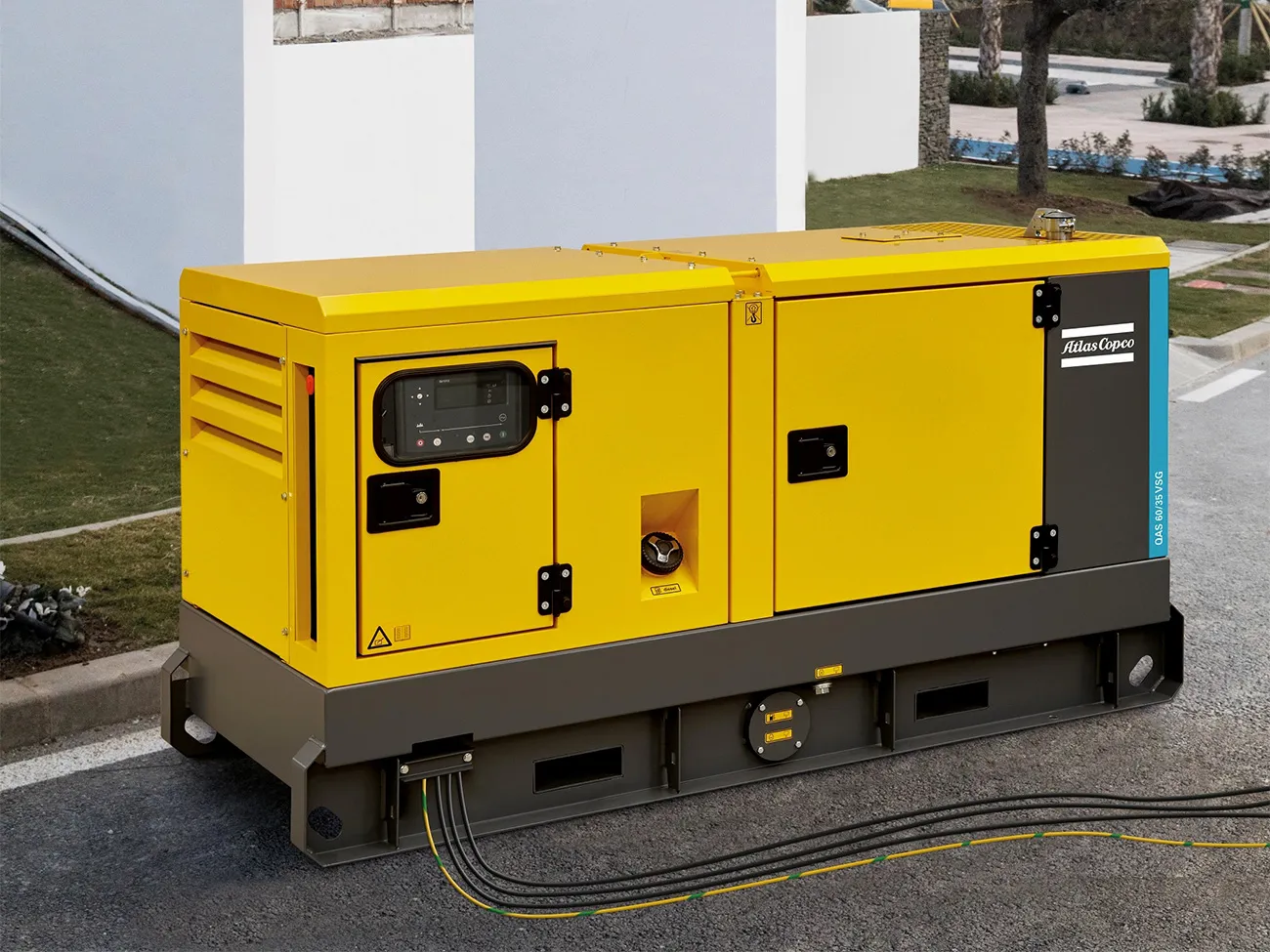
Unique QAS VSG technology
The unique QAS VSG (Variable Speed Generator) technology operates between 950 and 2,550 rpm and incorporates an energy storage system to increase peak power capacity by 70% and ensure that the generator runs at the optimum speed, whatever the load. In addition to its reliability and phase V performance, the QAS VSG offers users several benefits, including 40% fuel savings, a 40% reduction in CO2 emissions, a 70% increase in peak power compared with rated power, high fleet utilisation, low noise levels at low load and a compact footprint.
Question about this story? Ask your question
Keep following this
Get an email when a new story is published. No account needed.
- SubjectNews







