











Access to energy, a barrier to construction growth
Texte Philippe Selke Photos Building Culture
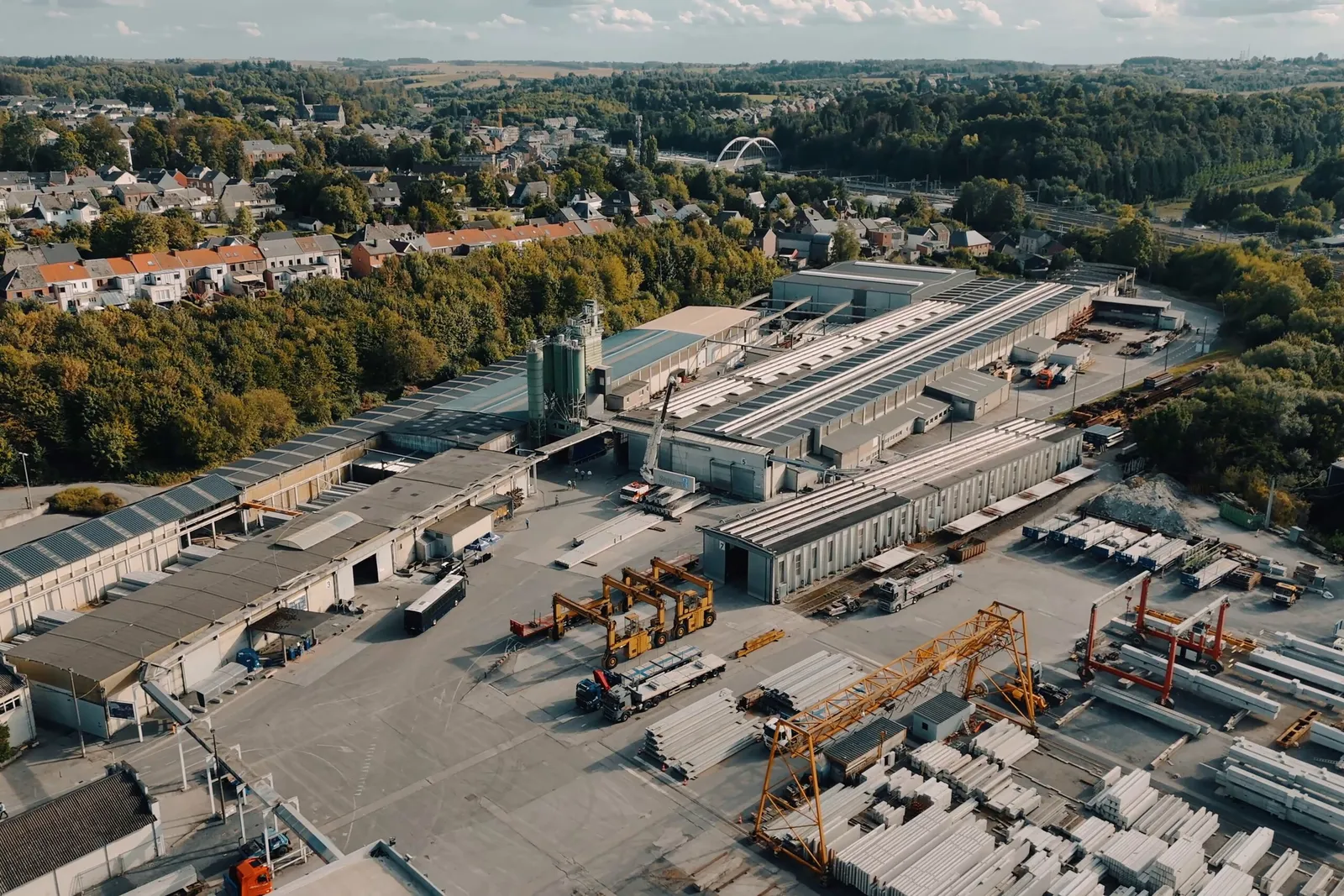
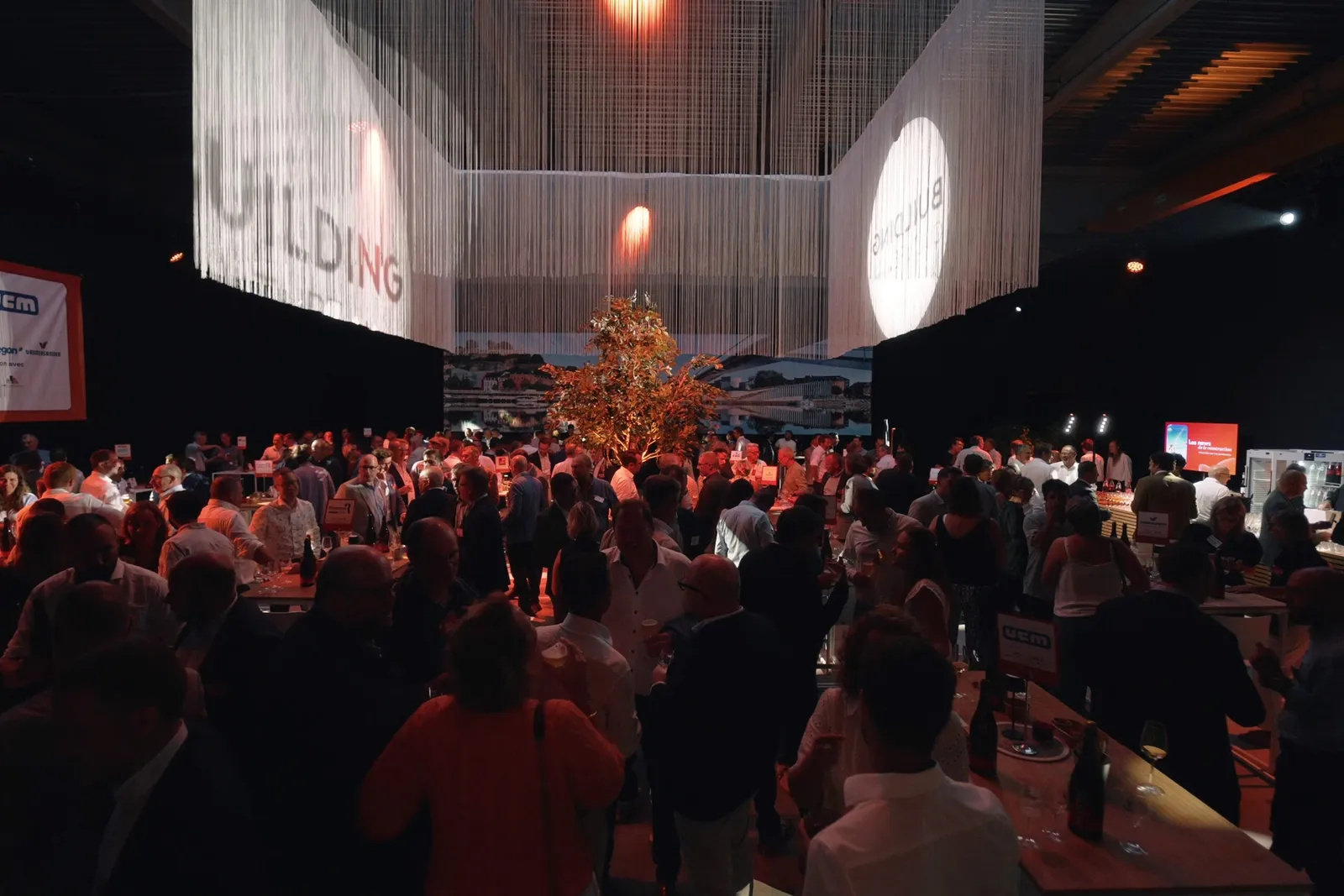
For its fifth edition, Building Culture turned its attention away from construction sites themselves to focus on a factor that has become crucial to getting projects off the ground: access to energy. Held at Ronveaux in Ciney on 26 August, the forum brought together around 400 decision-makers around one finding: producing enough electricity is not enough, it also has to be possible to deliver it to businesses and new projects.
Why dedicate a construction forum to energy? The idea emerged from discussions with Building Culture’s advisory board. “The theme has moved away from construction in the sense that we’re no longer talking directly about bricks, mortar and building sites, but rather about one of the conditions needed for projects to get off the ground,” explains event co-founder Baptiste Falmagne.
With several hundred connection requests on hold in Wallonia, the availability of power is becoming a factor that must be taken into account as soon as an investment is designed. “Without electricity, nobody is going to put money into building a property,” says Baptiste Falmagne. The problem affects industry, property projects, business parks and the electrification of buildings alike.
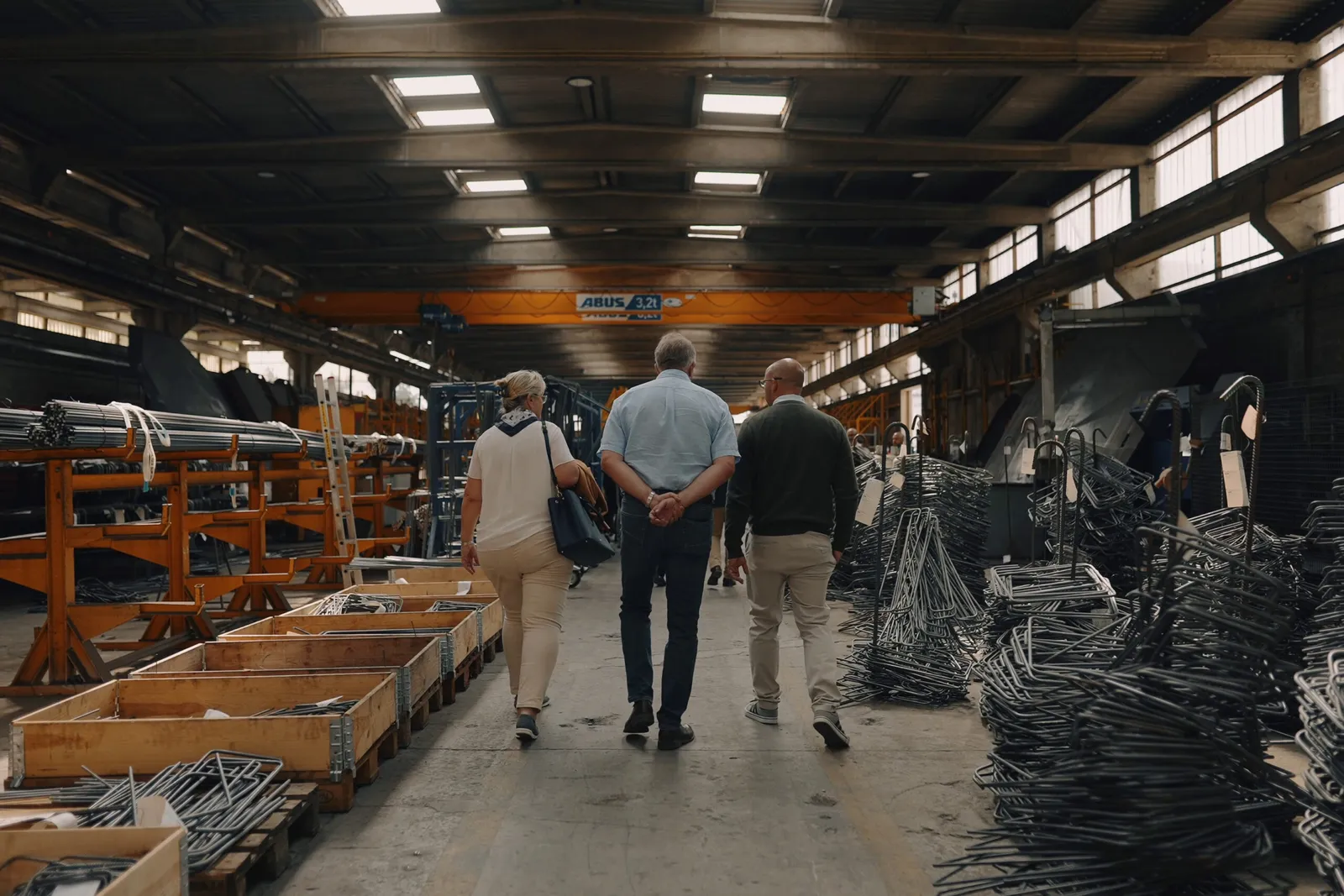
Understanding the issues to take action
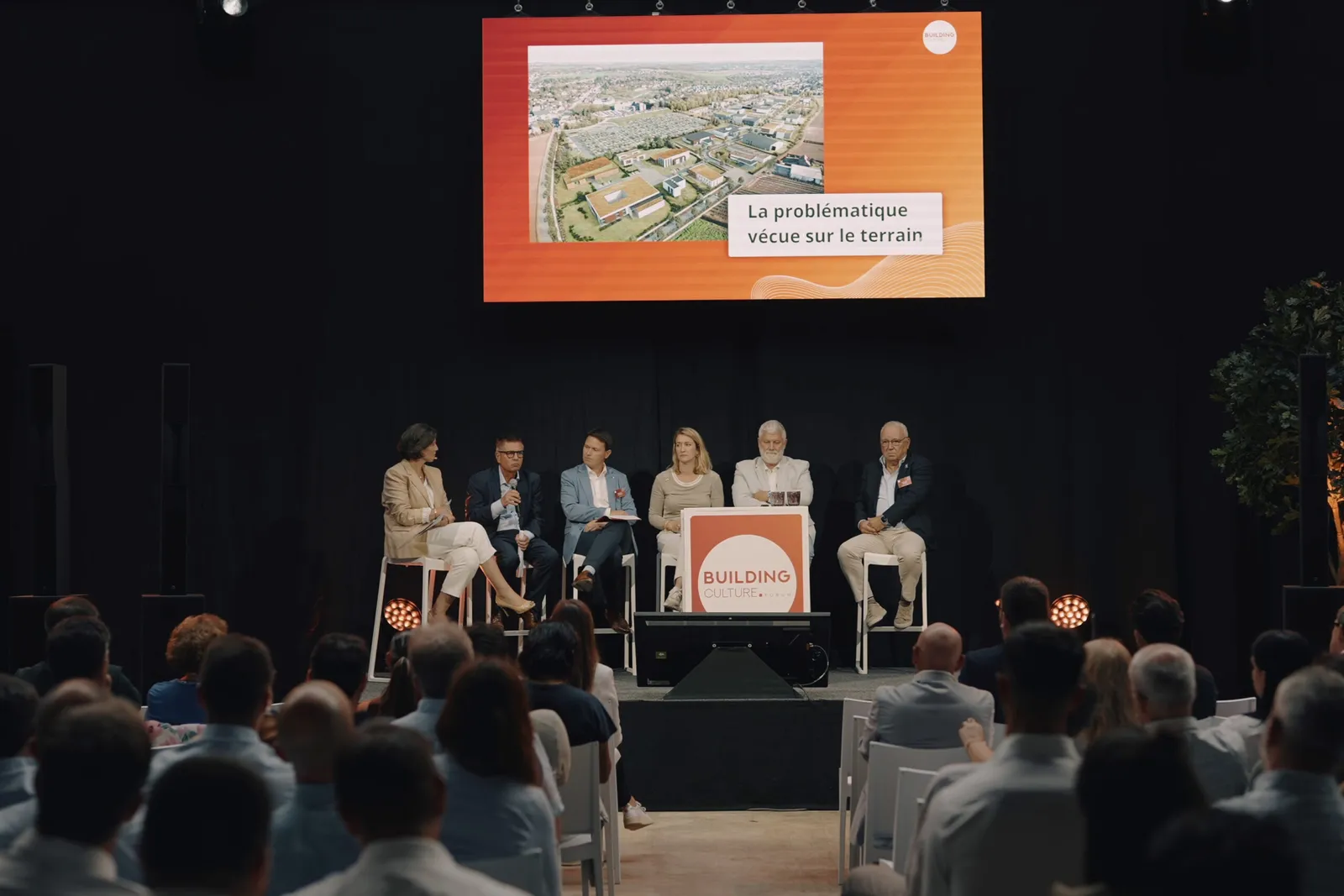
The first conference brought together Maxime Habran (Head of Public Affairs, Elia), Rémy Leboutte, adviser to federal Energy Minister Mathieu Bihet, and Bernard Kepenne, chief economist at CBC, to take stock of the situation: generation, transmission, investment in networks and changing costs. Bernard Dehut (CEO, Ronveaux), Fernand Grifnée (Managing Director, ORES), Renaud Degueldre (Director General, BEP), Sylviane Bilgischer (Deputy Chief of Staff, Energy, Minister Neven) and Maxime Habran (Elia) then compared their perspectives on the challenges around access to energy.
One of the main takeaways was the gap between the rapid electrification of energy use and the slower development of infrastructure. The major investments needed to reinforce the network can take around ten years. ORES must also adapt its distribution network, with annual investment set to reach €500 to €600 million. Elia, too, must invest heavily in its high-voltage network.
For businesses, the question is therefore very practical: what can they do during this transitional period? “Participants left with a better understanding of why we find ourselves in this situation,” says Baptiste Falmagne. He has also noticed a change in what audiences expect: “In the early years, people would tell us: we want projects. Today, they tell us: we want to understand the environment in which we operate.”
Making available capacity more flexible
The contribution from Renaud Degueldre, Director General of BEP, illustrated the regional impact of the problem. Businesses want to establish themselves and build in business parks, but some projects are being held back by the inability to secure the power they need.
One proposed solution is flexible connection agreements. Instead of guaranteeing the maximum requested power at all times, capacity could vary according to a time-based profile. For example, capacity unused by an industrial site at night could be used to charge vehicles. Another option would be to “clear out” the queues, distinguishing projects that are genuinely likely to proceed from requests that are outdated or oversized.
European industry in the background
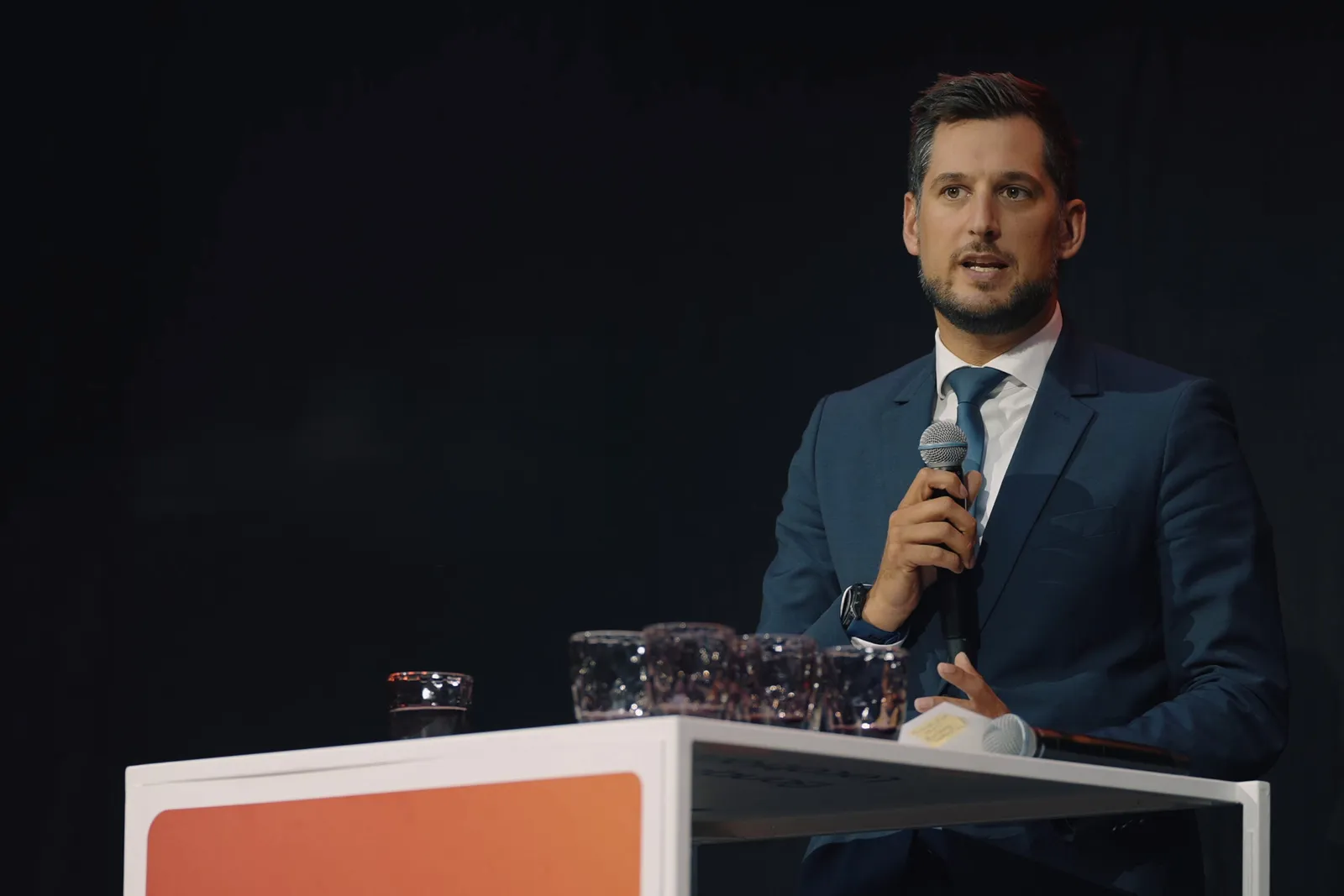
Intended as a wake-up call, the keynote by Bernard Delvaux, CEO of Etex, broadened the discussion to industrial competitiveness. The cost and availability of energy affect investment decisions by major groups and, indirectly, the outlook for the construction sector…
“What future do we want for the European Union in terms of attractiveness to investors and industrial companies?” asks Baptiste Falmagne. The question concerns public policy, but also businesses’ choices of energy suppliers and the retention of production capacity in Europe. Walloon Government Minister-President Adrien Dolimont also noted that (re)developing industry in Wallonia, and therefore being able to meet connection requests, is one of his government’s objectives.
Alongside these forward-looking discussions, Building Culture retained the ingredients behind its success: a tour of the event venue, conferences, business speed dating and networking. The setting was particularly apt: a few hours after the event ended, production resumed at the Ciney factory. “At six in the morning, in the very place where the conferences had been held the day before, they were pouring concrete elements again,” says Baptiste Falmagne. It was a very tangible way of bringing energy debates back to the realities of industry.
Question about this story? Ask your question
Keep following this
Get an email when a new story is published. No account needed.
- SubjectNews







