











A new PFAS immobilisation technique opens up possibilities for heavily contaminated or hard-to-access soils
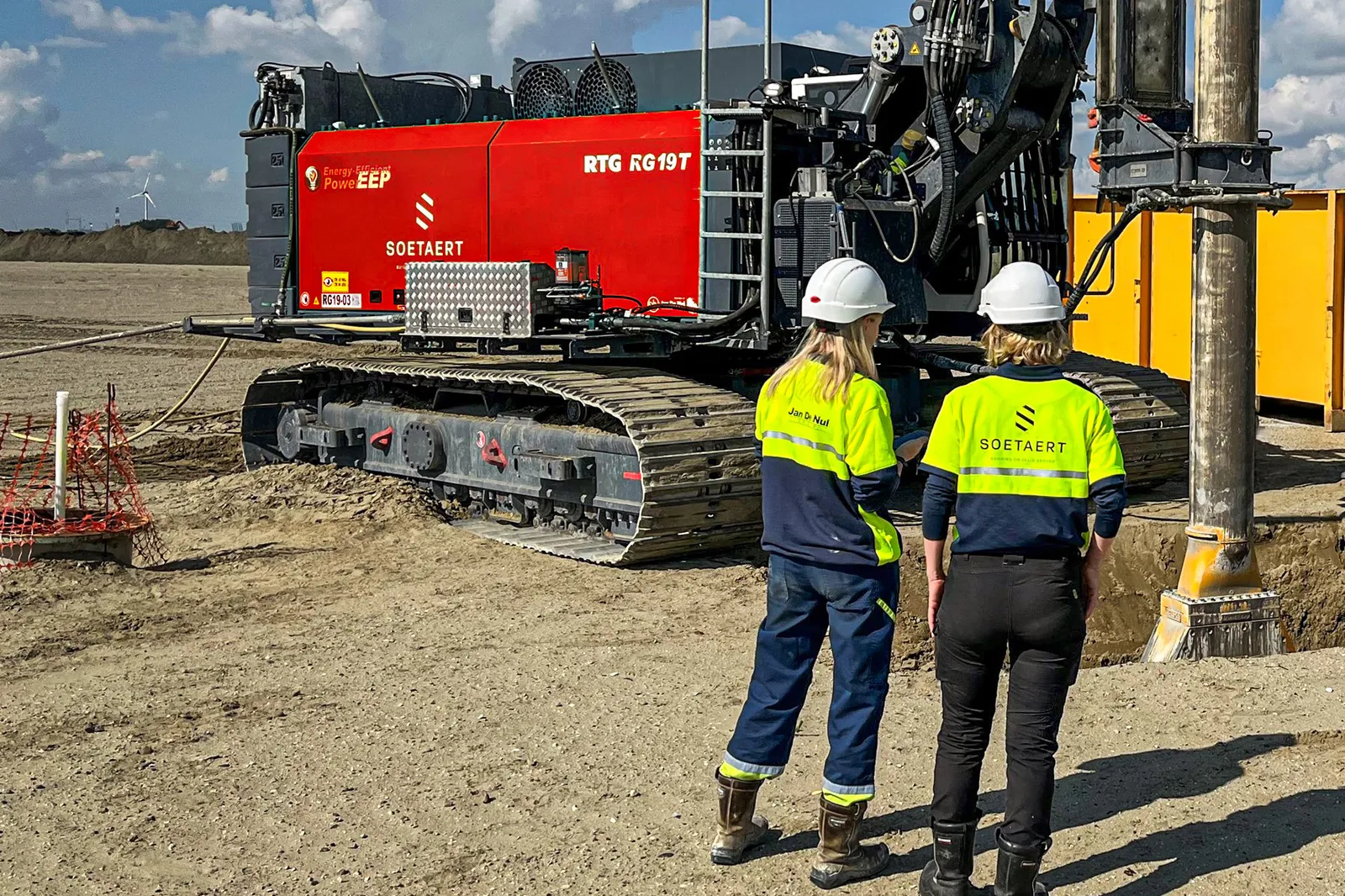
Soils contaminated with PFAS pose a major problem when they cannot be excavated, concentrations are too high or conventional remediation is not feasible. These soils then remain a source of PFAS migration, particularly into groundwater. A consortium of Belgian partners, led by Jan De Nul, is achieving promising results with a pilot project to halt this spread.
- A new technique can immobilise PFAS in contaminated soils.
- This technique could be particularly useful at sites with high PFAS contamination located close to groundwater sources.
At the Port of Antwerp, Jan De Nul is testing a new technique to immobilise PFAS in situ. The consortium is working on a former fire brigade training ground in the Port of Antwerp, where concentrations are high.
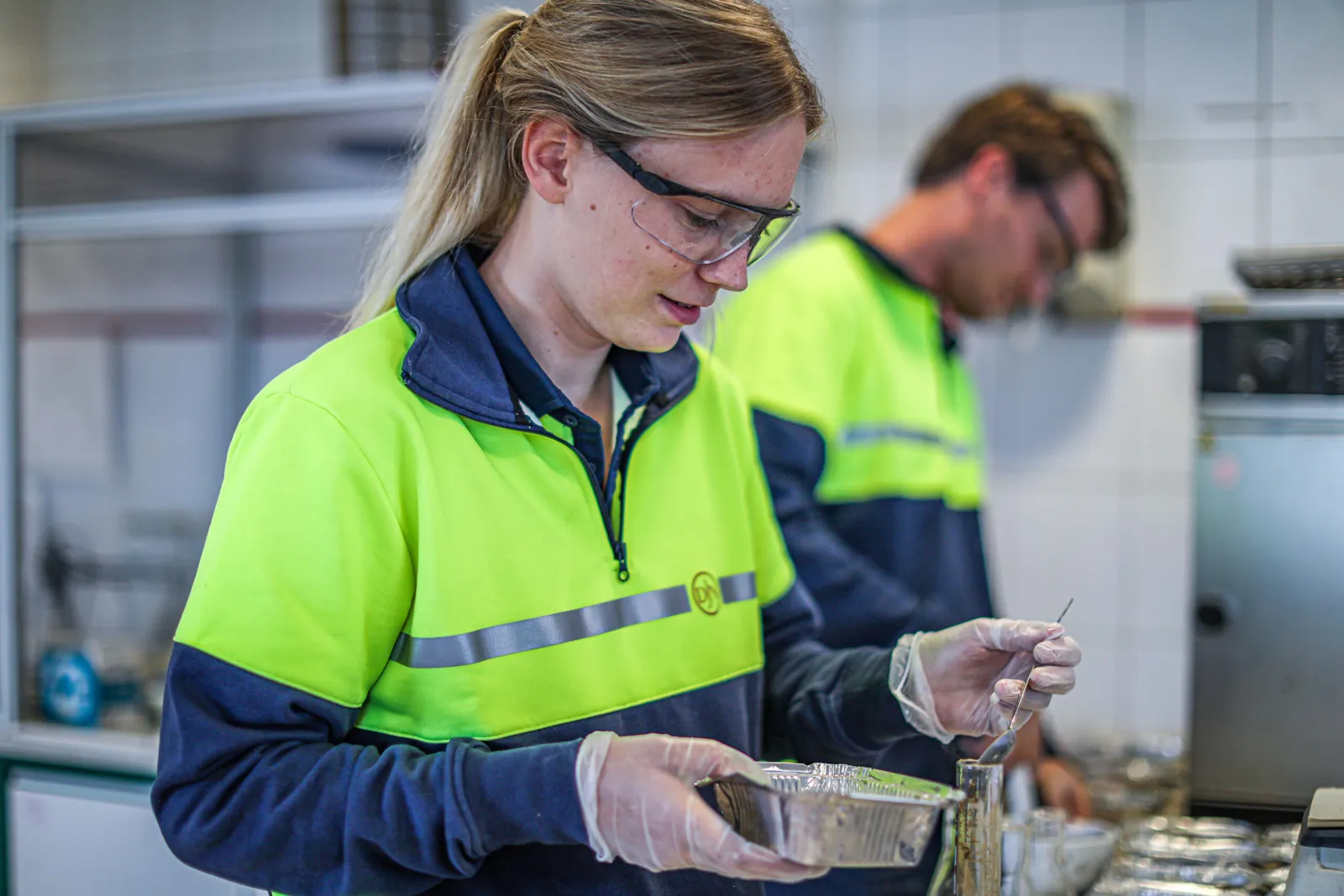
An additive binds PFAS in the soil
At its laboratory in Hulsdonk, Jan De Nul has developed an additive that binds PFAS in the soil, preventing them from spreading. Drawing on the expertise of its subsidiary Soetaert, which specialises in foundation engineering, the company has developed a specific method for mixing the additive evenly into the soil. Where the site is difficult to access or the soil cannot be loosened and mixed, for example beneath infrastructure or at great depth, the additive is injected directly into the ground.
Antea Group’s study department is monitoring how effectively the PFAS are being immobilised as part of the project. The results so far are very promising.
Emma Vanderveken, engineer in Jan De Nul’s Planet Redevelopment division: « We are seeing 98 % of PFAS immobilised after the additive is incorporated. Our laboratory durability tests examine immobilisation under extreme conditions such as flooding, heat and frost. The tests have shown that, when properly applied, immobilisation remains effective for several decades. Naturally, we have not yet been able to verify its long-term effectiveness in the field, but we are convinced of this technique’s potential and will continue to monitor its performance. »

Benefits for groundwater
This technique will offer a solution for heavily contaminated sites that cannot be excavated or have unsuitable geotechnical properties. Examples include (former) landfills, contaminated soil beneath infrastructure and fine sandy soils, respectively. In these cases, conventional soil remediation, which involves flushing contaminated soil with water or chemical solutions, is not technically and/or economically feasible.
This technique will offer a solution for heavily contaminated sites that cannot be excavated or have unsuitable geotechnical properties. Examples include (former) landfills, contaminated soil beneath infrastructure and fine sandy soils, respectively. In these cases, conventional soil remediation, which involves flushing contaminated soil with water or chemical solutions, is not technically and/or economically feasible.
Question about this story? Ask your question
Keep following this
Get an email when a new story is published. No account needed.
- SubjectNews







