











A heating system designed specifically for Linné-Plantes
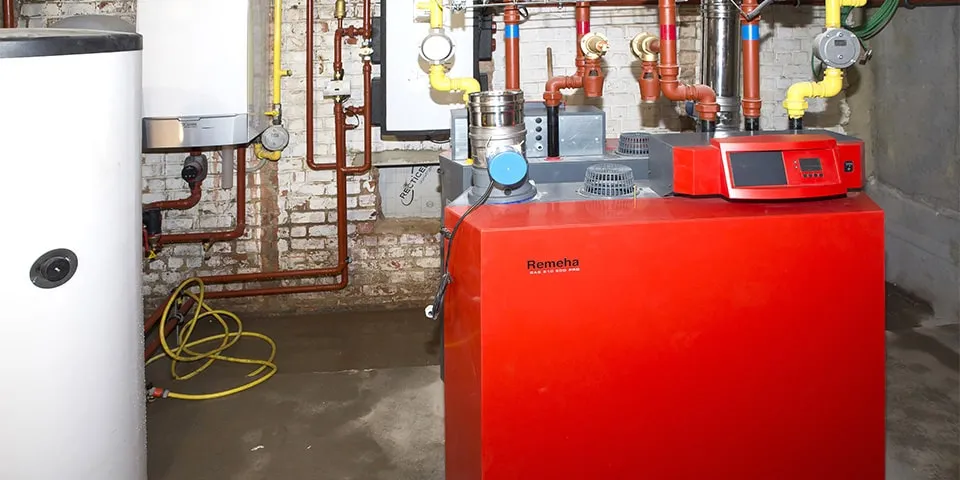
Although the residential tower and apartments in the Linné-Plantes complex in Saint-Josse-ten-Noode were renovated to passive standards, the project required a reliable combustion-based heating system. The choice fell on two Remeha Eco Pro 210 boilers, each with an output of 115 kW.
Passive standard
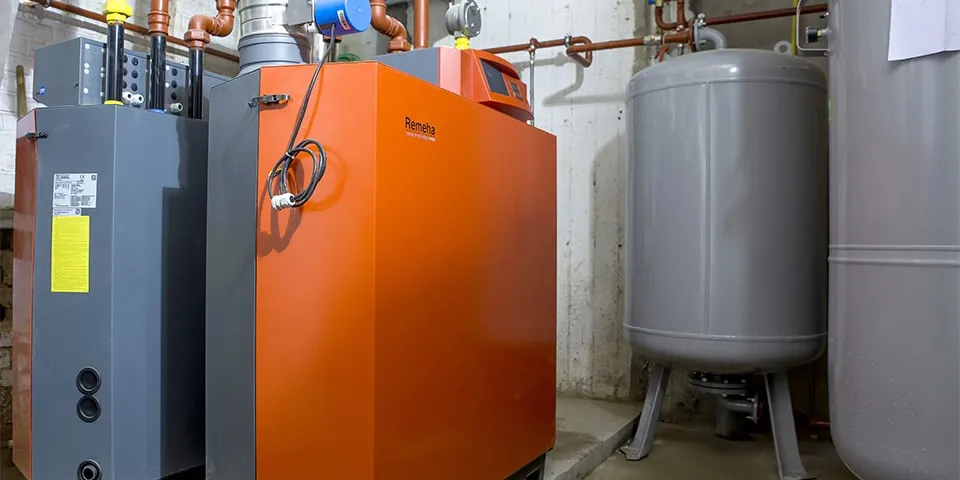
With their top connections and front access, the gas boilers can be installed against a wall or back to back.
For Sanitechniek, a company with several decades of experience, renovating the Linné-Plantes complex presented a particular challenge. “The buildings had to be renovated to the passive standards set by the Brussels-Capital Region,” explains Frederik Sarie Verheye, PR & Communication Manager at Remeha. “Compact condensing gas boilers combine economical, environmentally friendly technology with a wide range of uses and applications. Their small footprint and low weight mean they take up just 0.5 m² of floor space. What is more, thanks to their top connections and front access, they can easily be installed against a wall or back to back.”
Residential substation
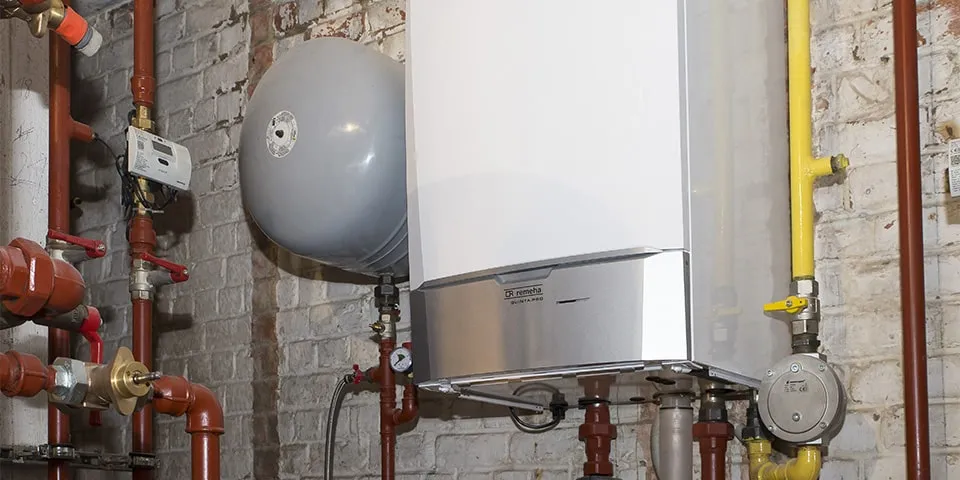
The crèche is heated by a Remeha Quinta Pro boiler with an output of 40 kW.
“In the Linné-Plantes buildings, a combilus was installed, supplied by a central plant room. This is a shared circulation loop used for both heating and hot water production,” continues Frederik Ghyselinck, Project Manager at Sanitechniek.
“Each apartment has its own residential substation for producing water for heating and domestic hot water.” The crèche is not part of this circuit. It is heated by a Remeha Quinta Pro boiler with an output of 40 kW. This boiler also heats a domestic hot water cylinder.”
According to Frederik Ghyselinck, “This means that heating energy demand must be limited to 15 kWh/m² per year, and primary energy for heating, domestic hot water, ventilation and pumps must be limited to 45 kWh/m² per year. This is why extensive research and studies were needed before the installation itself could proceed. Our company also took care of the ventilation. The solution chosen was four air handling units with heat recovery via a thermal wheel.”
Question about this story? Ask your question
Keep following this
Get an email when a new story is published. No account needed.
- ThemeRenovating existing buildings
- SubjectNews







