











A disinfection system helping to combat coronavirus

Engels Group has decided to join the fight against coronavirus with its UV-C disinfection systems. A new division, Thermo Bel, has been set up within the group.
The idea is to limit the spread of the virus using proven technology in an innovative way.
As befits the times, the news was announced at an online press conference: Engels Group has partnered with Belgian manufacturer Luxibel to join forces in the fight against the pandemic. Under the name Thermo Bel, the aim is to bring proven UV-C technology to schools, hospitals, offices, infrastructure, the hospitality sector and retail, to combat the current virus as well as future variants and other ‘nuisances’ such as bacteria and fungi.

Proven technology
“UV-C technology is not new in itself,” explains Patrick Leenaerts, product and sales manager. “It has been around for more than a hundred years and has already proved that it makes a significant contribution to neutralising viruses such as tuberculosis, SARS, Ebola and others. Today, all our drinking water passes under a UV-C lamp at some point. The technology is also used in operating theatres. As we know, UV-C greatly reduces the number of infections.” How does it work? “Scientifically speaking, UV-C light emits short waves at 254 nm. Boston University has demonstrated that, when it delivers a sufficient dose of energy, this light damages the hereditary RNA structure of these viruses, halting their reproduction. For example, UV-C light eliminates no less than 99.9999% of viruses in just 25 seconds. That is remarkably effective!”
The difference between air and surface disinfection
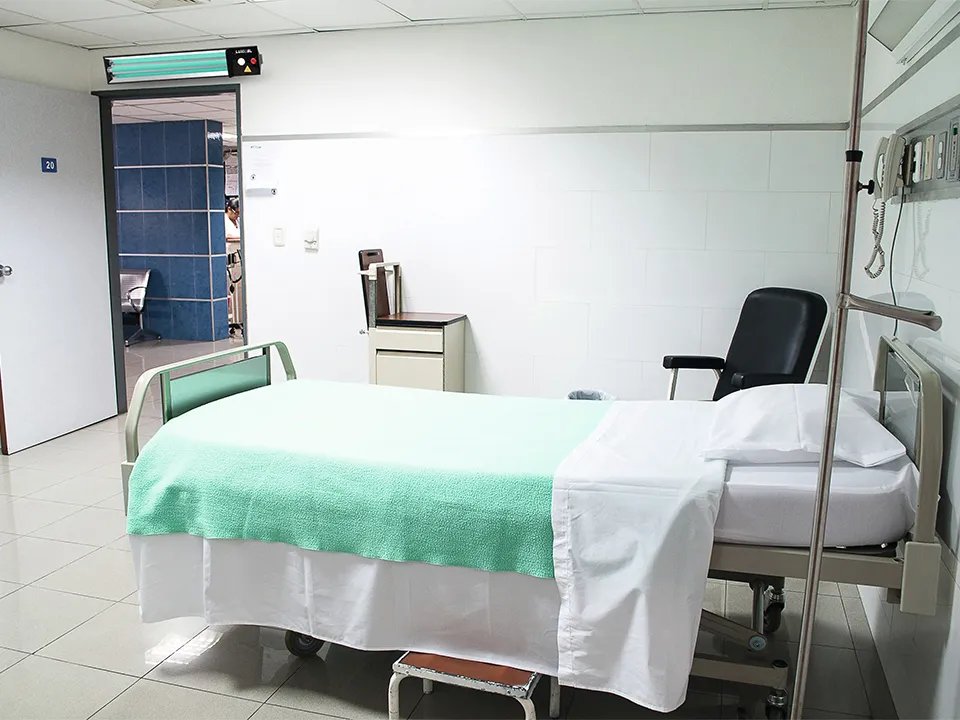
Thermo Bel’s UV-C disinfection systems fall into two categories: the enclosed B-Air systems for air disinfection and the B-Direct units with exposed lamps for surface disinfection. The latter may only be operated when nobody is in the room, as the radiation can pose a risk to the skin and eyes if used incorrectly. Built-in safety features, including a presence sensor, a warning light and an audible signal, are intended to prevent this. Thermo Bel focuses mainly on the enclosed B-Air units for air disinfection. These can operate 24/24 and 7/7, even in rooms occupied by people.
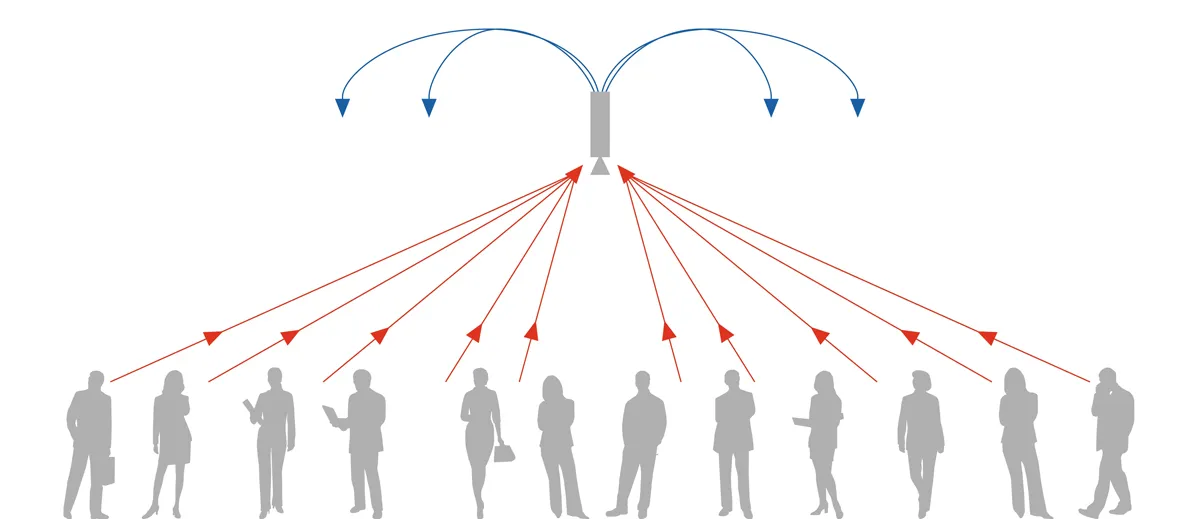
Patrick Leenaerts: “These enclosed units draw potentially contaminated air through a duct, after which it passes two Signify Philips UV-C lamps that render it virus-free.” The units can be used in different ways: freestanding, wall-mounted or installed vertically on the ceiling. “This last option is very interesting for rooms with sufficiently high ceilings,” adds Patrick Leenaerts. “The air is drawn upwards, limiting the circulation of any aerosols. Once purified, the air is returned to the room.”
Certified distributors and installers
Quality, expertise and safety come first. That is why UV-C radiators are distributed through the Thermo Confort network only via trained and certified Thermo Bel installers. They know how to size the units correctly and measure the effective radiation intensity. Installers can also offer clients an attractive service contract under which the lamps are replaced annually (service life: 9 000 h) and the unit is cleaned, which is strongly recommended to ensure it continues to work properly.
Thermo Bel/Luxibel online press conference:
Question about this story? Ask your question
Keep following this
Get an email when a new story is published. No account needed.
- SubjectNews







