











400,000 tonnes of aggregates shipped by water in 2019!
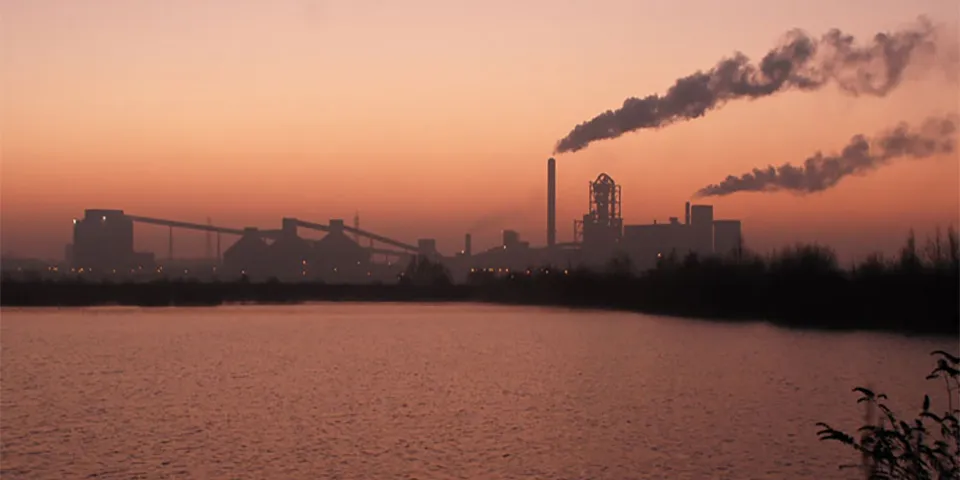
Last December, CCB Granulat passed the symbolic milestone of 400,000 tonnes of aggregates shipped by water in a single year, an increase of more than 20% on the quantities transported in previous years.
A record for CCB, which continues to believe that inland waterway transport is a genuine model for the future.
Inland waterway transport is part of the trimodal system established by CCB and is considered by the company to be a genuine model for the future.
To transport its goods, CCB has established a trimodal transport system that offers customers flexibility and responsiveness in organising deliveries:
• Road transport
CCB has highly efficient road loading and dispatch facilities (more than
1,000 lorries per day), with direct access to the E42 motorway
• Rail transport
CCB has two rail loading lines at the heart of the plant
• Inland waterway transport
CCB has a quay at Chercq, in the Port Autonome du Centre et de l’Ouest (PACO)
The use of inland waterway transport has grown considerably at CCB. The delivery made on 18 December last year brought the total of aggregates transported by water in 2019 to more than 400 KT. The delivery was destined for the De Hoop group, and more specifically its Belgian trading subsidiary, Satic. The barge « Oranda », chartered for the shipment, departed from Chercq in the Tournai region and arrived at the port of Ghent the following day.
The De Hoop group, based in Terneuzen (NL), is one of CCB’s largest customers. It comprises more than 40 subsidiaries, based mainly in Belgium and the Netherlands, and active in the production and trading of construction materials (raw materials, finished products and services).
Benno Groeneweg, Director of Construction Materials at De Hoop: « An average barge carrying 1,500 tonnes transports as much as 50 lorries. By shipping aggregates from CCB to our customers in this way, we help reduce our ecological footprint. Our pleasant and professional cooperation with CCB enables us to fine-tune arrival and loading times with our barge operators, ensuring an efficient logistics chain. We look forward to continuing this cooperation in the future. »
Inland waterway transport, a model for the future
With vessels capable of carrying up to 1,800 tonnes and more than 1,500 km of navigable waterways in Belgium, this mode of transport is a particularly attractive alternative for businesses, from an economic, logistical and environmental perspective. CCB currently supplies three markets by water: Belgium, France (Île-de-France and Picardy) and the Netherlands.
« To keep pace with market developments and meet its customers’ needs, CCB regularly reviews its production, loading and transport facilities. The company has major ambitions for inland waterway transport, particularly in light of the planned European Seine-Nord link project, » explains Fabrice Delaunoy, CCB Aggregates Director. This brand-new 107 km canal is intended to create a network of 1,100 km of high-capacity navigable waterways between the Seine basin and the Scheldt and Meuse basins. It will allow modern river convoys of 4,400 tonnes to pass, thereby encouraging a shift in freight traffic from road to waterways. Inland waterway transport is therefore a genuine model for the future, with strong commercial prospects. Finally, as part of its commitment to reducing its ecological footprint, increasing the share of inland waterway transport in its trimodal transport system is an important strategic choice for CCB Belgique.
Question about this story? Ask your question
Keep following this
Get an email when a new story is published. No account needed.
- SubjectNews







