A general contractor where everything (or almost everything) is done in-house
Texte Philippe Selke Photos Thomas & Piron
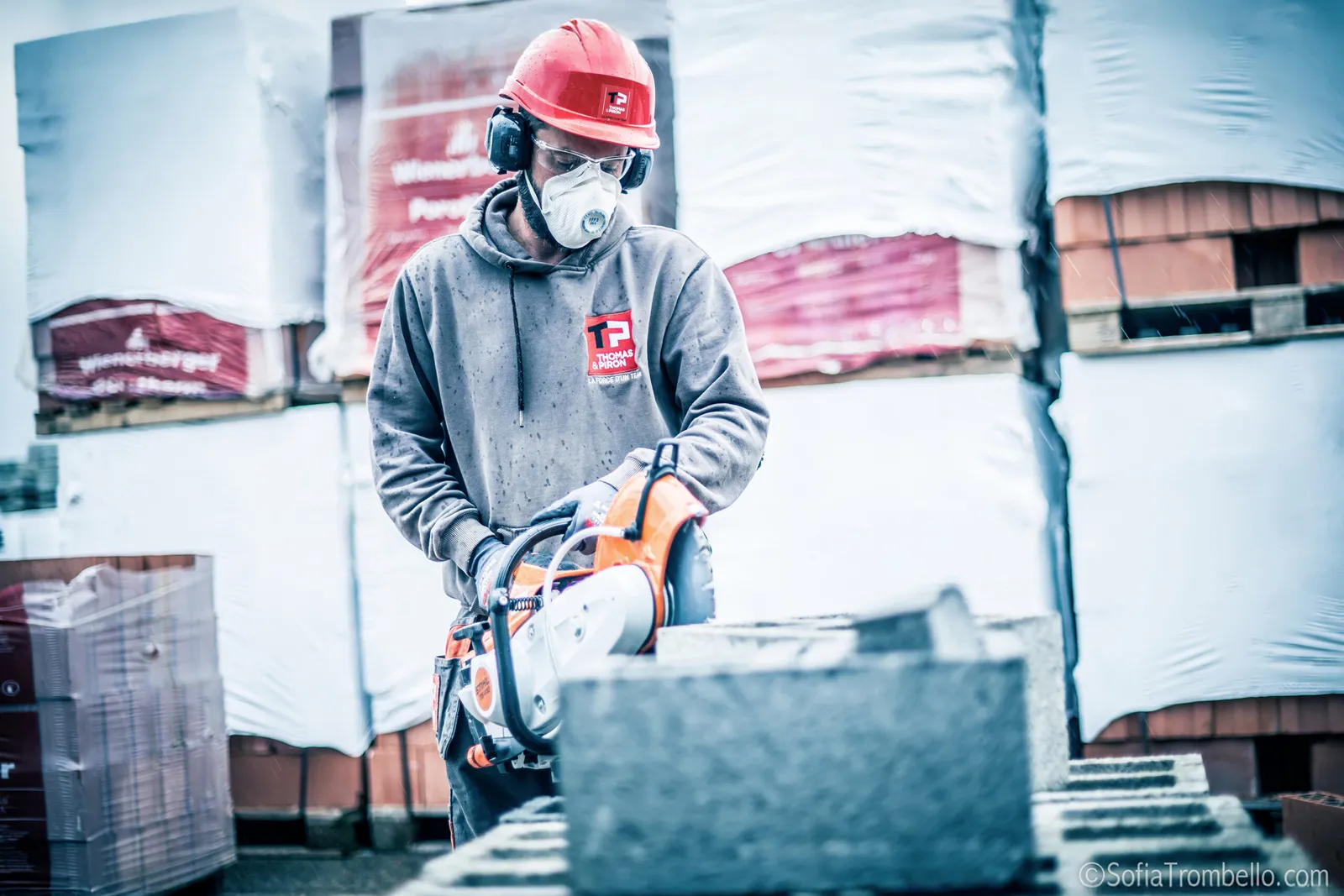
Whether it is property development, the construction of residential or non-residential buildings, public or private, houses or turnkey apartments, or the renovation of detached houses or large buildings, the family-owned Thomas & Piron group remains true to its roots, championing “Made in Belgium” at every level, from recruiting new employees to buying materials and choosing subcontractors.
Thomas & Piron was founded in 1976 by Louis-Marie Piron and Charles Thomas, a local mason who soon sold his shares to Monsieur Piron. A few years later, after completing his civil engineering studies, Bernard Piron joined his brother to oversee organisational, administrative and financial management. In 2022, François Piron, Louis-Marie’s son, was appointed CEO of the holding company alongside Edouard Herinckx, who had been in post since 2016 and will hand over to Olivier Beguin, former CEO of Equilis, in early 2026.
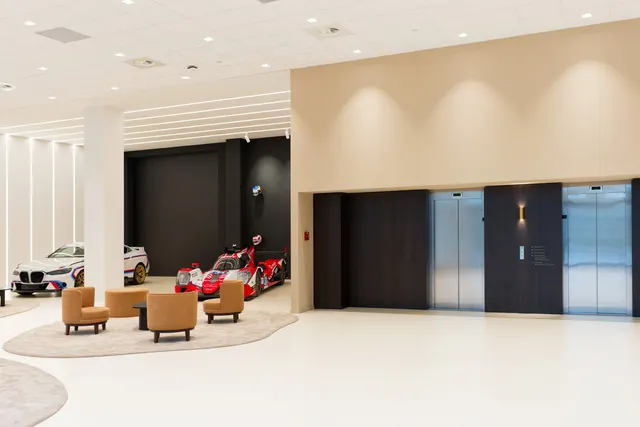
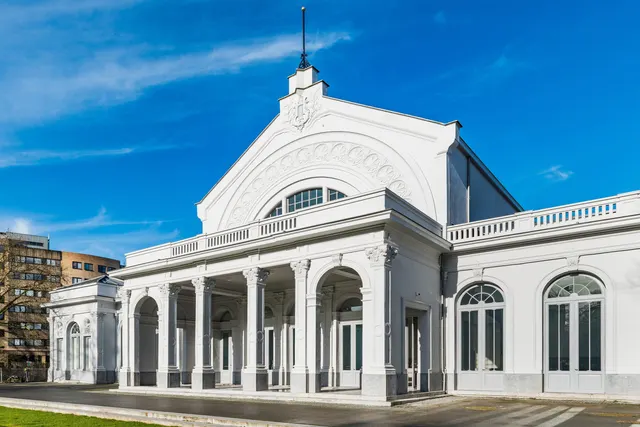
The group’s headquarters, which also operates internationally, is still located in Our (Paliseul, Luxembourg Province), one of the most beautiful villages in Wallonia. By appointment, the group’s clients can visit to discover Belgium’s largest showroom. Everything involved in building and fitting out a house or apartment is showcased across more than 2500 m².
Local resources
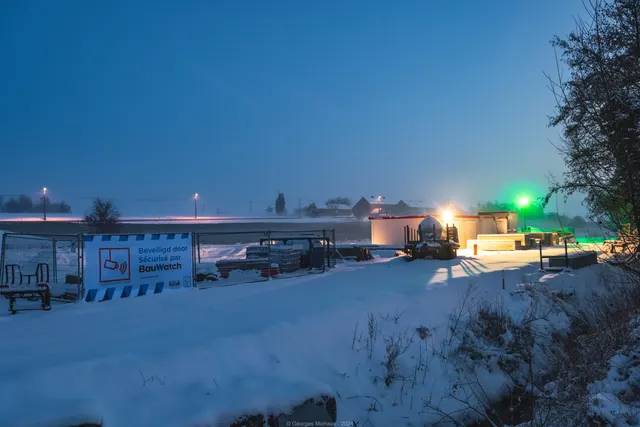
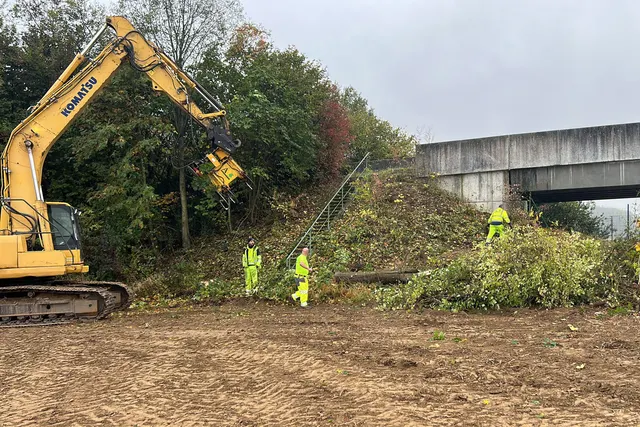
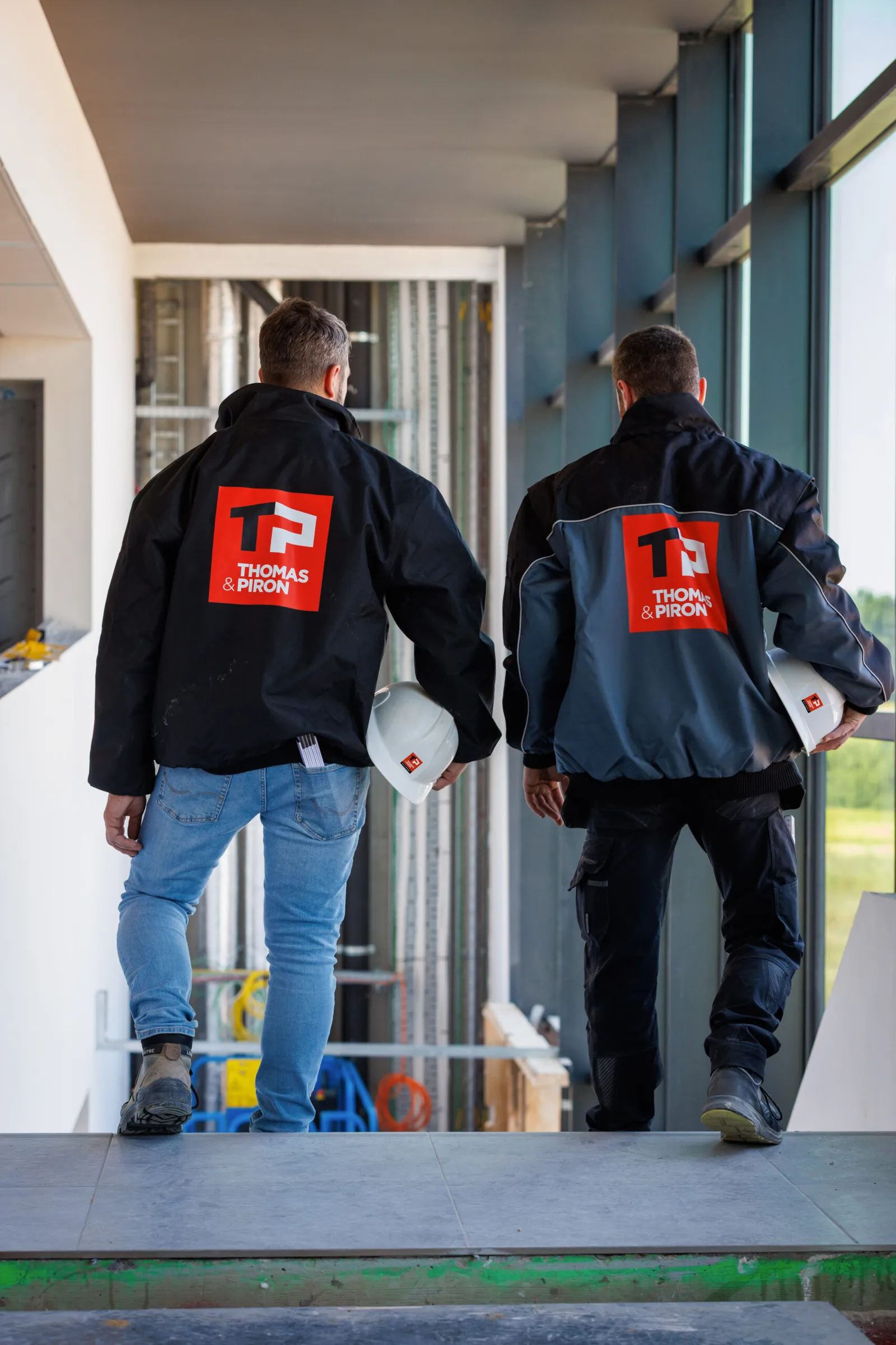
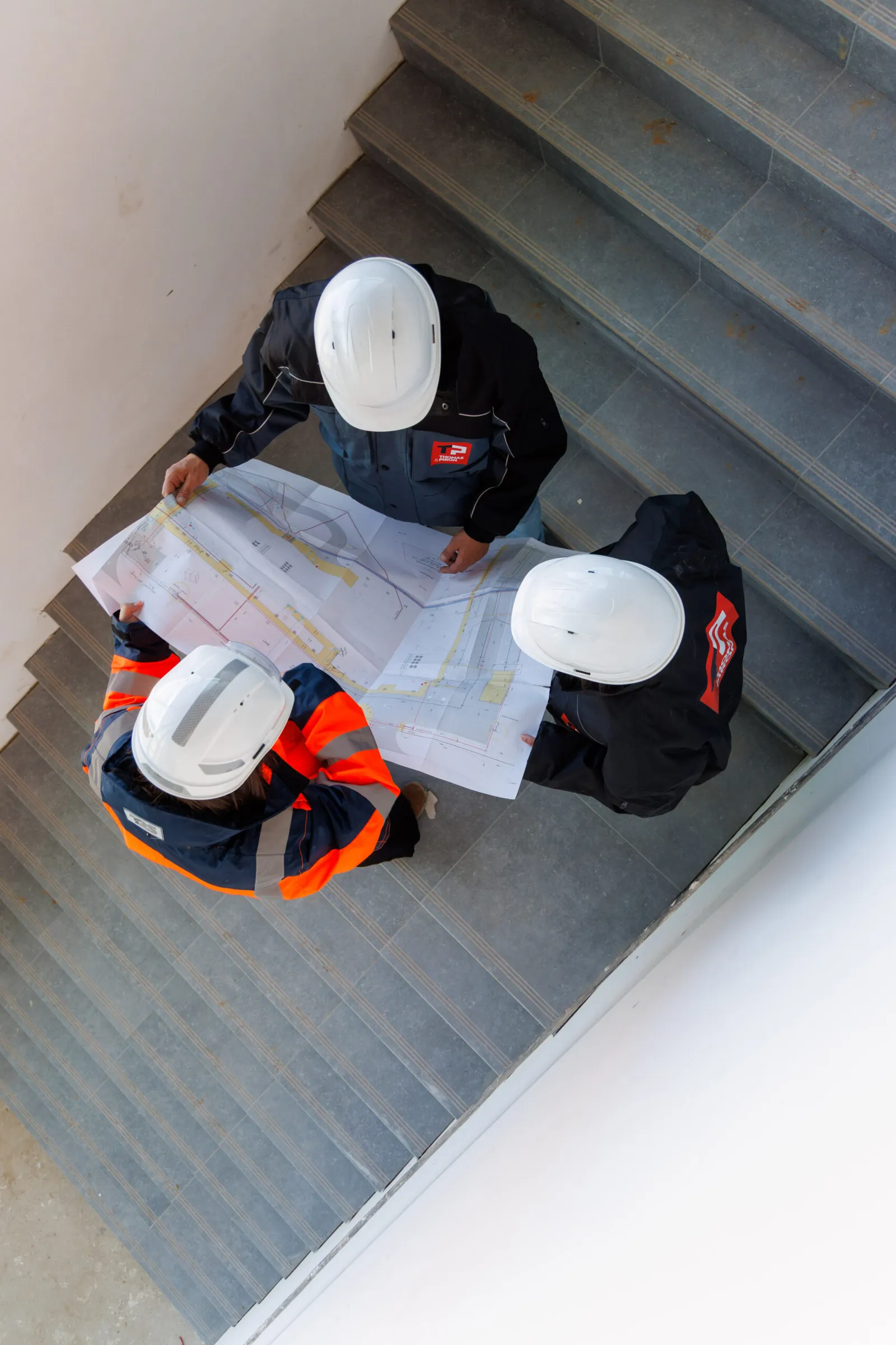
Every day, around 1500 Belgian workers are active on Thomas & Piron sites in Belgium and Luxembourg, all of them directly employed by the group. Arnaud Delmarche, the group’s HR Director, says: “We want to integrate our teams as fully as possible so that we can do most of the work ourselves. By doing great things with people close to us, we can celebrate Thomas & Piron’s 50th anniversary this year. In the same spirit, we supply our sites with metalwork and joinery from our own workshops. Otherwise, we buy a lot in Belgium, a country rich in materials.” Jérôme Morelle, Deputy Director of Production at Thomas & Piron Bâtiment, adds: “We apply this ‘made in-house’ philosophy to our choice of subcontractors too. For windows, for example, we work with a manufacturer based in Transinne, near our historic headquarters. This proximity also contributes to sustainability by reducing our carbon footprint.”
With around a hundred roles currently to fill, Arnaud Delmarche acknowledges how difficult it is to find and retain enough staff to maintain production. Sébastien De Buysser, Deputy Director at T&P Bat, says: “We do, however, have the advantage of being able to transfer workers between group companies to cover an urgent need, if necessary. The aim is to keep all our teams working rather than lay them off or bring in external labour.”
Making construction trades more attractive
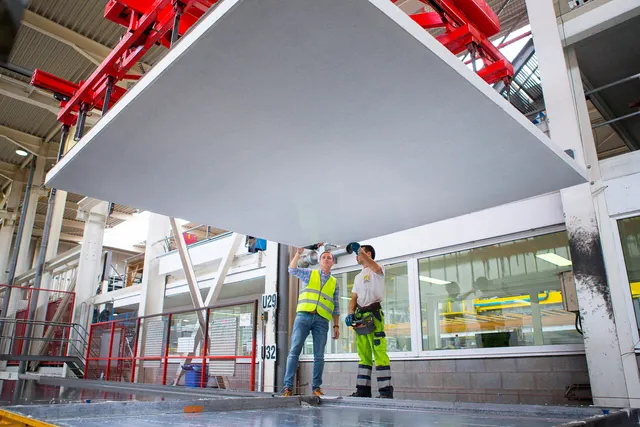
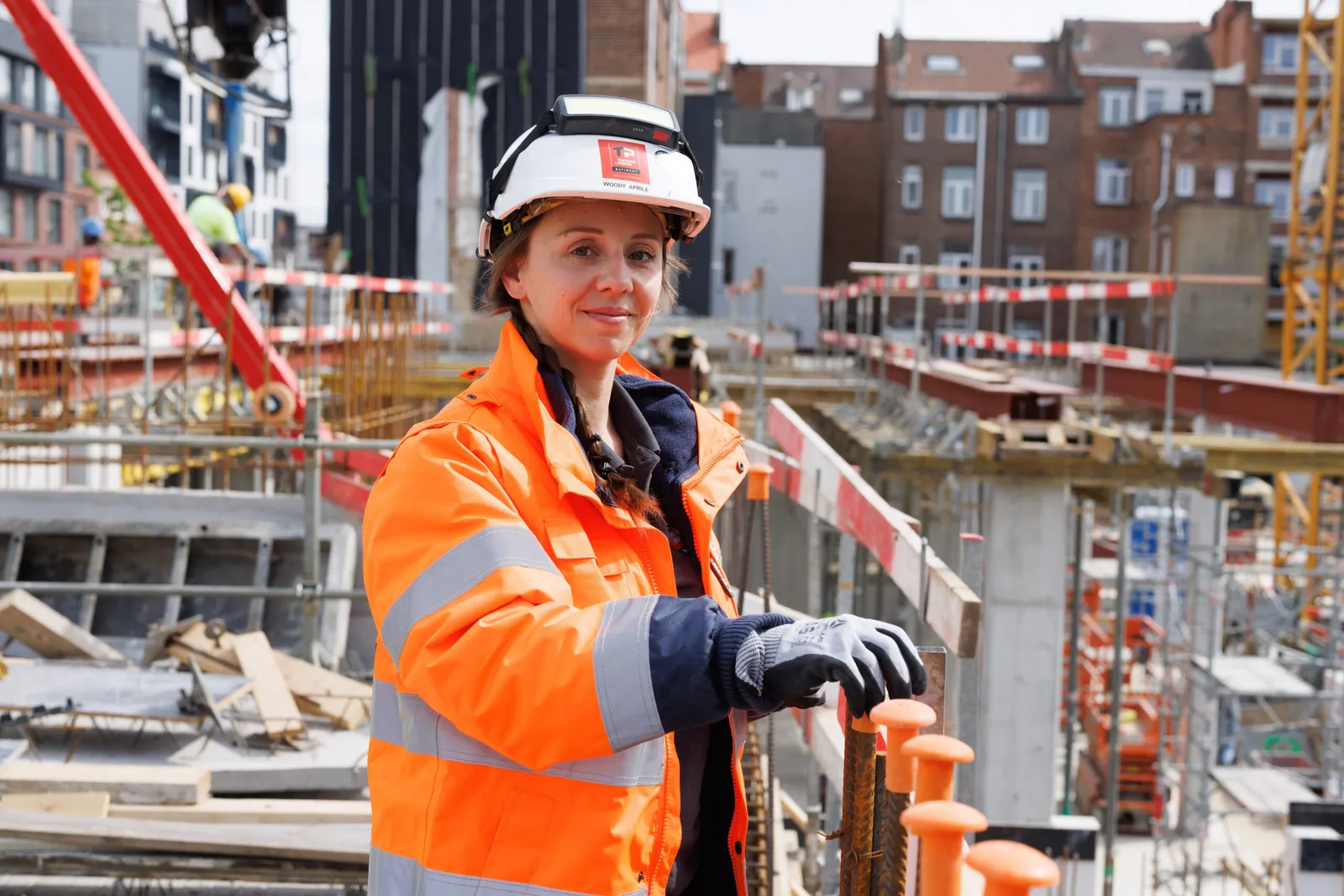
From hosting a “recruitment evening” and holding quick interviews in the evening at show homes or even on construction sites, to targeted initiatives to tackle labour shortages with FOREM, training in partnership with IFAPME, relaunching the TP Academy and mentoring, the company is making every effort to “grow the family”, which already numbers 3200 people. Arnaud Delmarche says: “I am certain that construction will come back into fashion. But we will probably need to be more imaginative about making work less demanding, simpler and more efficient. Back in 1976, Louis-Marie Piron showed the way by designing a fast truck-mounted crane that made a mason’s job less tiring by delivering materials directly to the work station.” Exoskeletons, setting-out robots, drones, virtual reality and more will make work less arduous and better suited to each individual. Supervisory staff already use digital applications and will probably be among the first to benefit from the power of AI. Jean-François Moxhet, Deputy Director of Production at Thomas & Piron Home, says: “Bonded blocks, handling equipment, prefabricated wall panels and more are already helping us reduce the physical strain of working on site.” Much remains to be done to improve ergonomics and, in turn, make the trade more accessible to women.
Question about this story? Ask your question
Keep following this
Get an email when a new story is published. No account needed.
- SubjectDirectory