Crafting a sustainable and welcoming living environment
Texte Philippe Selke Photos Atelier Paysage et Nonet
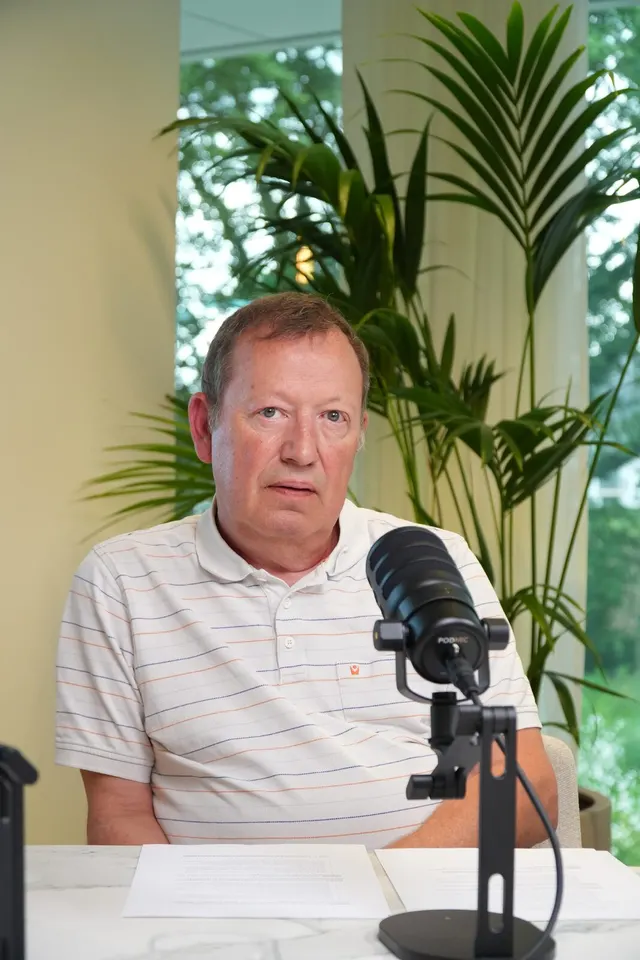
Under the motto “Your outdoor spaces deserve the best”, Nonet (Jemeppe-sur-Sambre) is shaping the heart of towns and villages to create a better-quality, more pleasant and welcoming living environment. It often does so in collaboration with architect Etienne Cellier (Atelier Paysage, Hamois), a specialist in this field. Jean-François Rulkin, Operations Director of Nonet’s roads division, and Johan Marchand, site manager, discuss their company’s expertise through some recent projects in Crupet, Hamois and Marloie, as well as a project currently under way in Fosses-la-Ville.
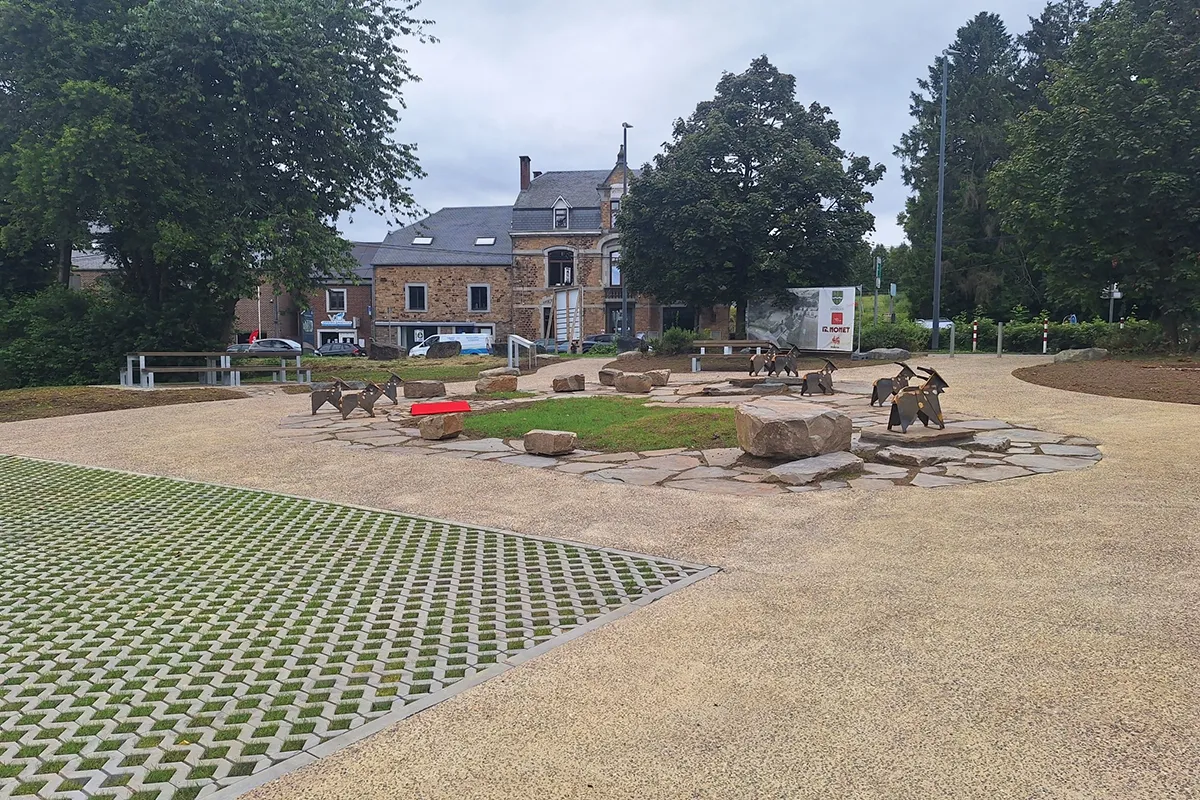
Nonet has worked regularly with architect Etienne Cellier for several years on urban development projects. He takes a quality-focused approach, incorporating water infiltration, biodiversity and local materials such as oak or larch and natural stone, selected for their durability, appearance and integration with the local built environment.
Jean-François Rulkin: “Projects like these are out of the ordinary because they require us to carry out real research. The project architect pushes us beyond our comfort zone, with an extremely high level of attention to quality, both from us and our subcontractors.” The team works with local craftspeople whom it trusts. Johan Marchand explains: “Mettet-fer for metalwork and bespoke Corten steel structures, for example, and TVB in Bastogne for woodwork.” This collaboration creates a strong local dynamic and aesthetic consistency across the projects.
Recurring and specific challenges
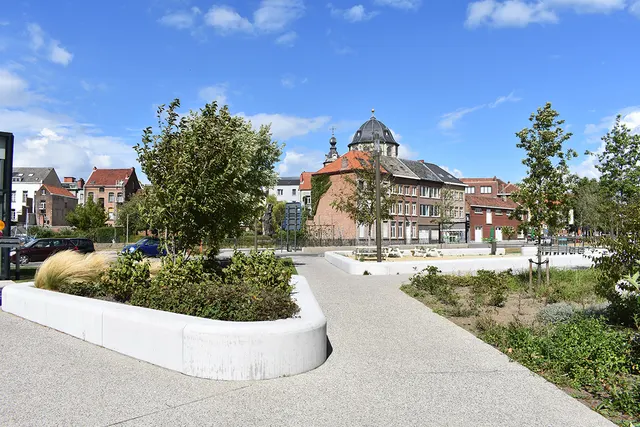
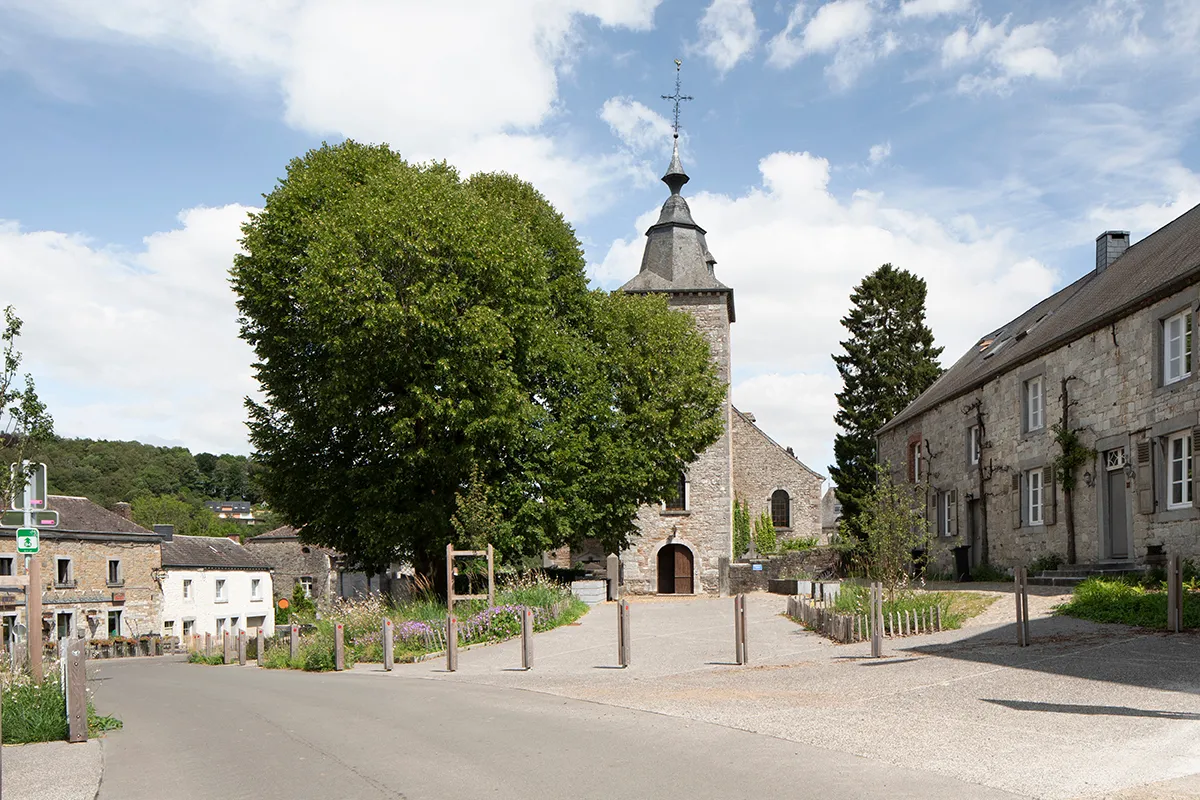
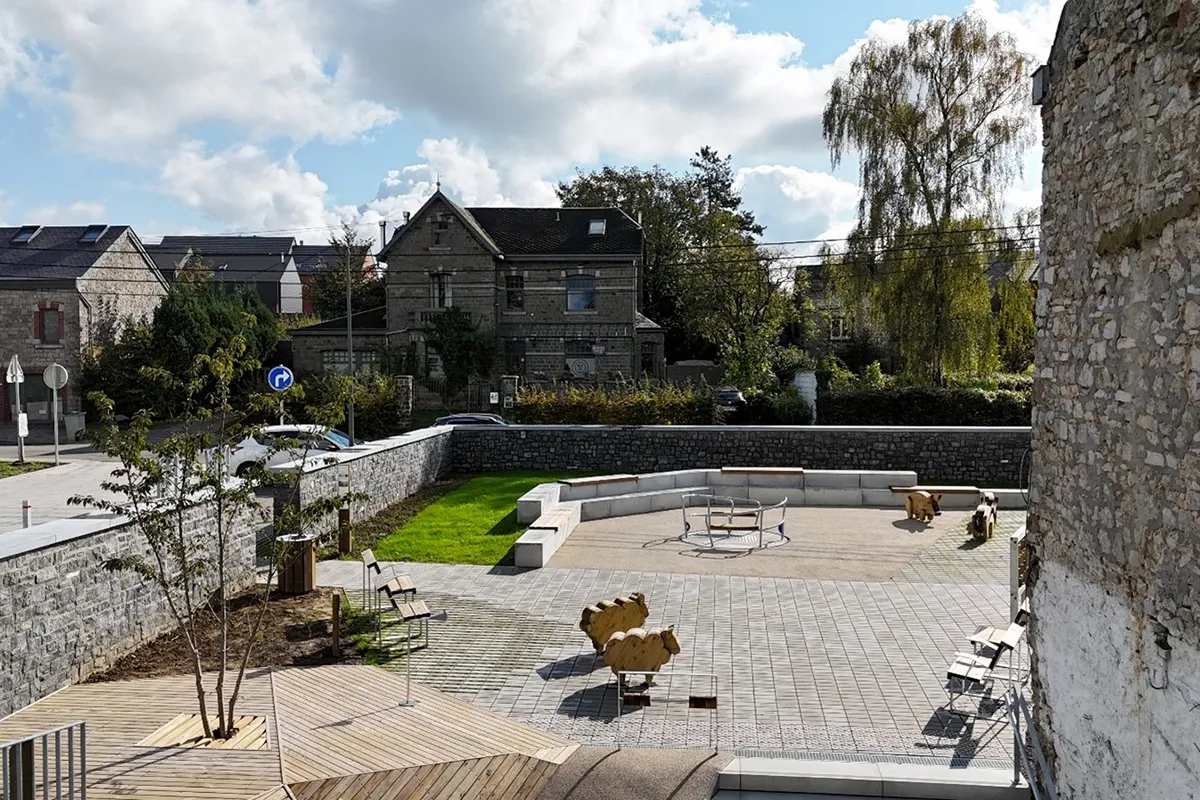
Renovating the centre of Crupet, one of the most beautiful villages in Wallonia; landscaping around a car park on the Plaine de Hubinne in Hamois; creating a public park with a playground at the Espace Sépul in Marloie; redeveloping the Place du Chapitre in Fosses-la-Ville: each project presents recurring challenges. These include coordinating work on live utility networks and, in the next phase, coordinating the various trades, from paving contractors and concrete workers to metalworkers. Large projects such as those in Crupet and Fosses-la-Ville take around a year, several months of which are devoted solely to utility networks.
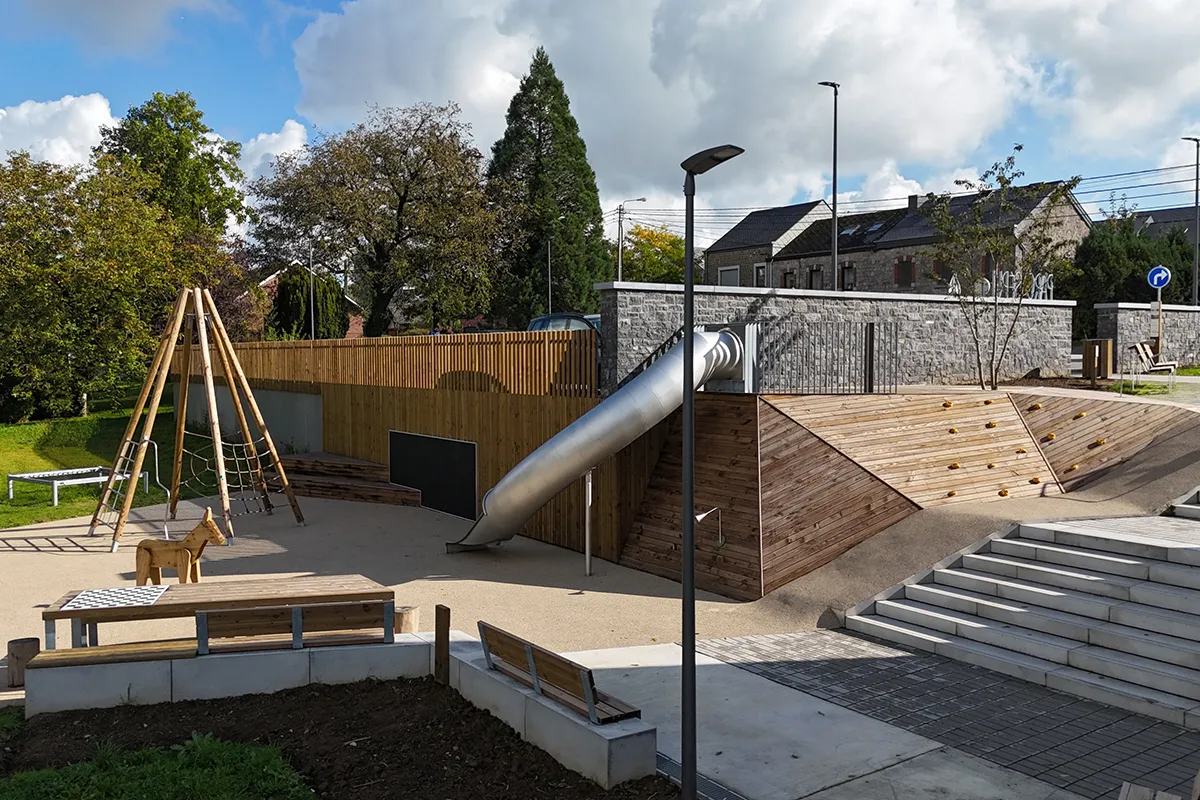
Specific technical challenges often arise too, as Johan Marchand points out: “In Marloie, animals made of laminated timber were built for the children’s play area. In Crupet, we built retaining walls using croûtes, that is, stones cut from local rock. Our teams have to adapt each time. They also need to follow the architect’s curving design as closely as possible. That’s a change from the straight road layouts we usually work on.” Faced with these specific requirements, Nonet and its subcontractors coordinate their work, each respecting the other’s contribution. The creative nature of the project often encourages everyone to consult one another even before work begins.
A positive human experience
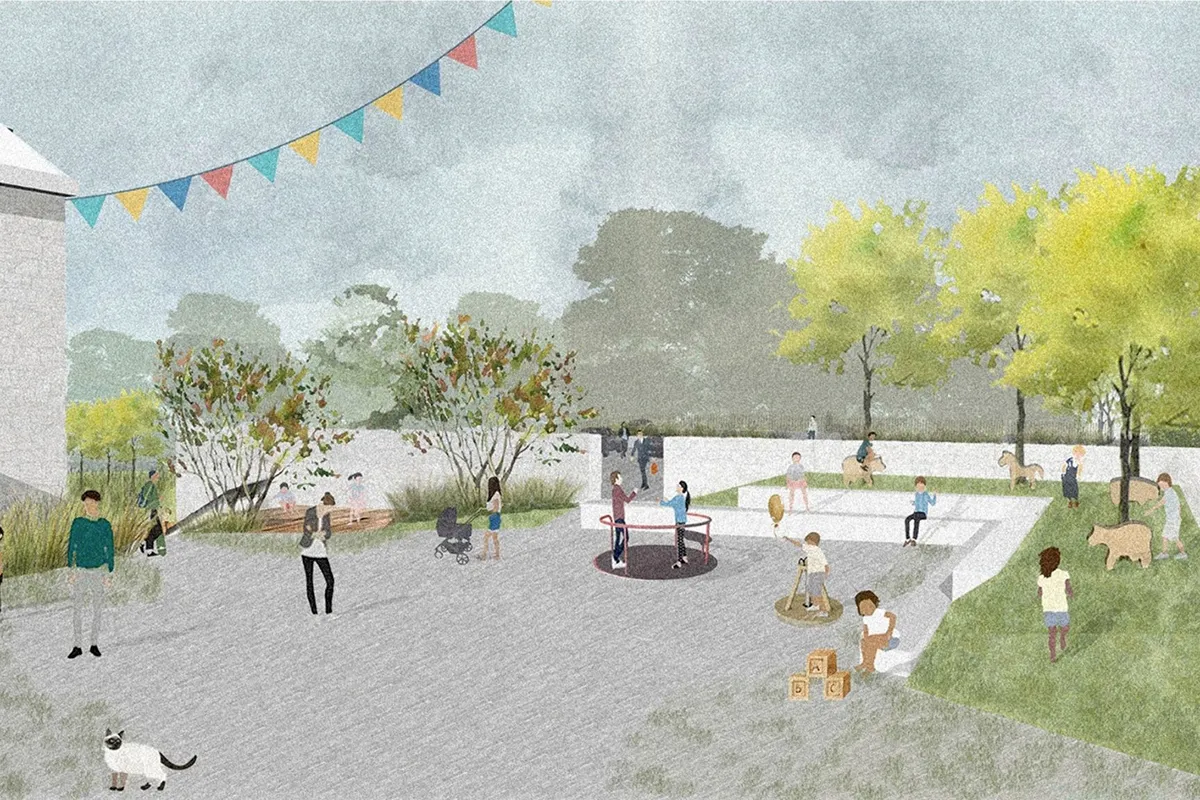
Étienne Cellier aims to create places that local residents and tourists can make their own: turning a space used by cars into a shared pedestrian area (Crupet), or transforming a meadow into a playground with a meeting space and planters for children from the neighbouring school (Marloie), for example.
Nonet’s teams are known for managing projects with both rigour and a human touch, thanks in particular to good communication with local residents. The aim is to manage expectations, minimise disruption and create a positive human experience.
Jean-François Rulkin concludes: “Dealing with complainers is an integral part of our work. Projects like these give us positive experiences that add value and meaning to what we do. From a human perspective, carrying out high-quality urban developments like these is more rewarding than simply replacing kerbs and tarmac on a road renovation. But both are at the heart of our business.”
Question about this story? Ask your question
Keep following this
Get an email when a new story is published. No account needed.
- SubjectSustainable construction