When timber gives PVC and aluminium a roasting
Texte Philippe Selke Photos Menuiserie Riche
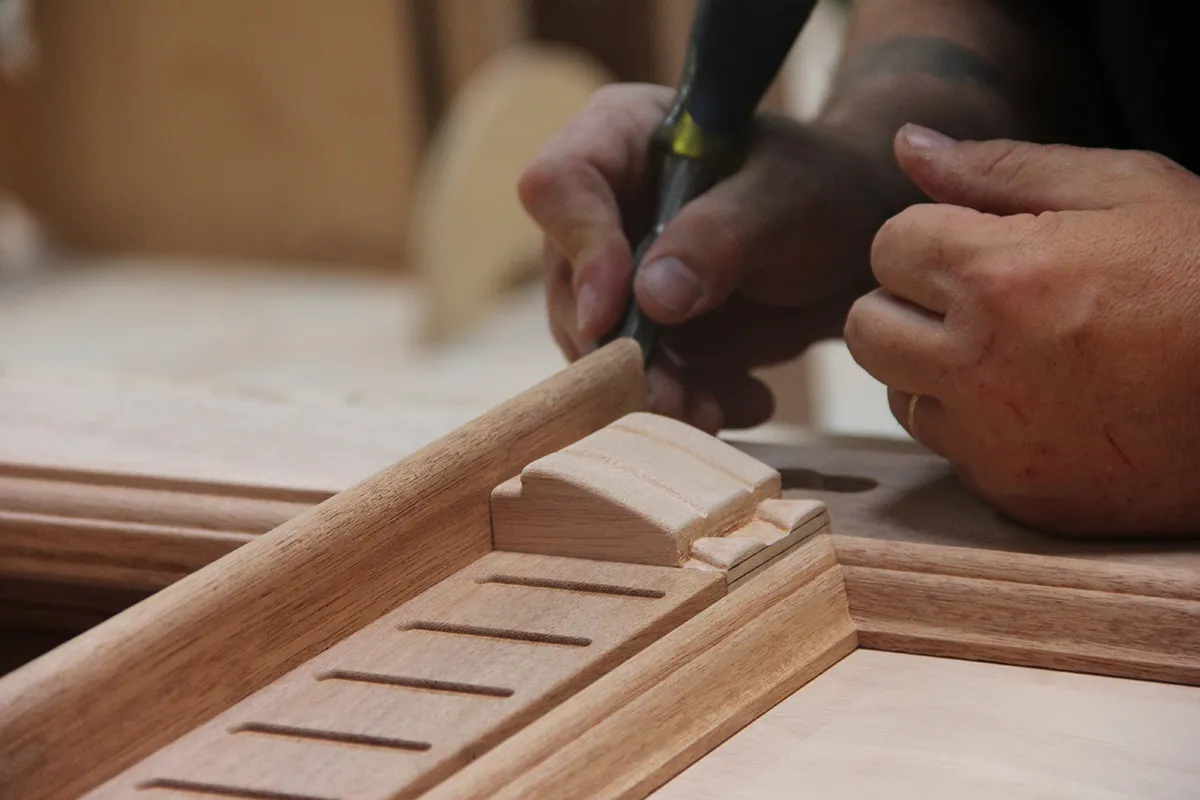
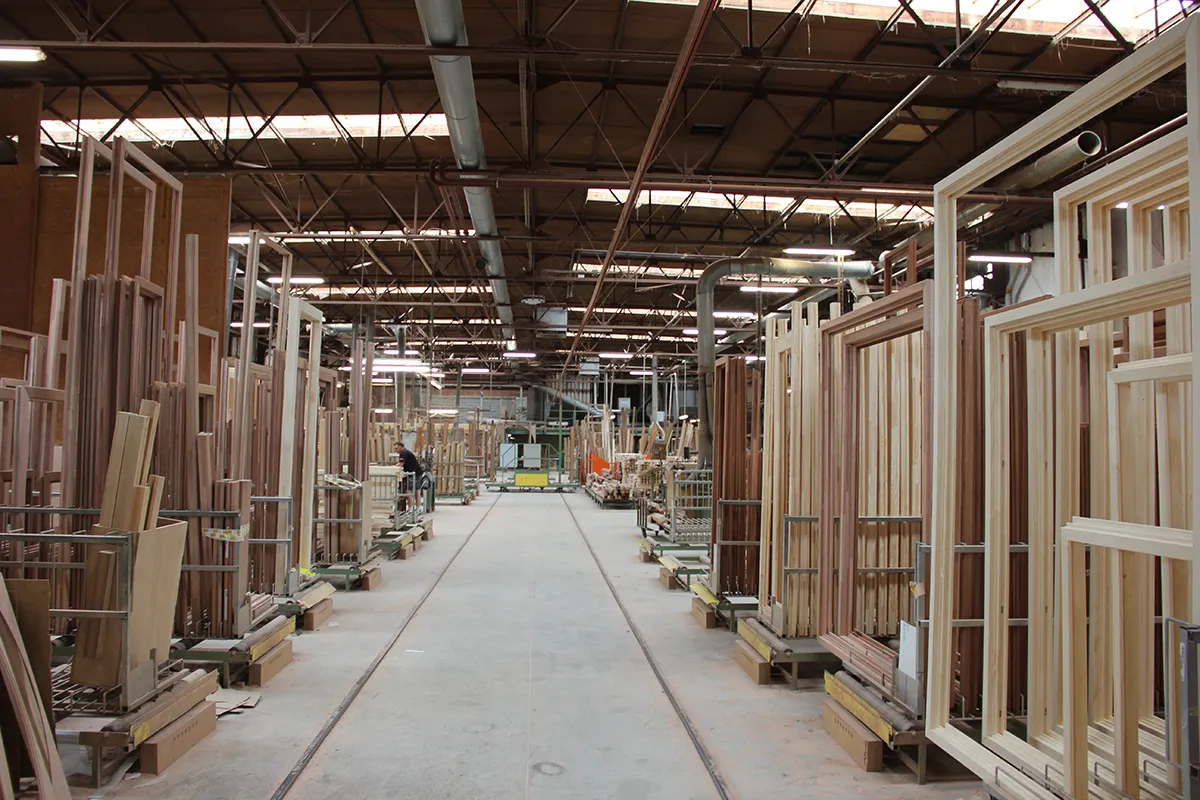
The advantages of a natural, renewable material, combined with 55 years of experience and 100% Belgian manufacturing: in a nutshell, that is Menuiserie Riche (Mariembourg), a manufacturer of timber and timber-aluminium windows and doors. Managing Director Bruno Riche is proud of his products and vigorously defends their advantages over other materials.
Until the early 1990s, timber dominated the market by volume. Then PVC arrived, with price and freedom from maintenance as its selling points. Aluminium followed, aimed more at large-scale projects with contemporary architecture. Since then, timber, like the other materials, has evolved and come out on top across the board. The problem is that much of the market still seems unaware of this… Timber joinery is often the preserve of small craftsmen, who struggle to match the communications firepower of the PVC and aluminium giants.
Yet demand for sustainable, environmentally friendly materials is growing. Building energy regulations are gradually but steadily moving towards a broader environmental framework, including CO2 emissions. With its particularly low carbon footprint, timber is the best choice for sustainable construction. Many architects, particularly younger generations, are beginning to reconsider the use of this natural material in their projects.
Single-material products with unique qualities
Bruno Riche kicks off the discussion: «Everyone loves timber for its warmth and appearance. Until it comes to windows… Yet timber is the material that expands the least. Put a black aluminium front door in full sun or fit your conservatory with large PVC sliding doors… and see what happens!». To overcome this drawback, PVC and aluminium manufacturers have designed increasingly thick frames, with a multitude of chambers and polyamide strips linking them to integrated insulating cores, as well as steel reinforcements for greater rigidity. Against this costly yet high-performing array of hybrid components, timber alone has all the intrinsic properties needed to deliver excellent airtightness, thermal insulation and acoustic insulation.
Renovate windows rather than throw them away
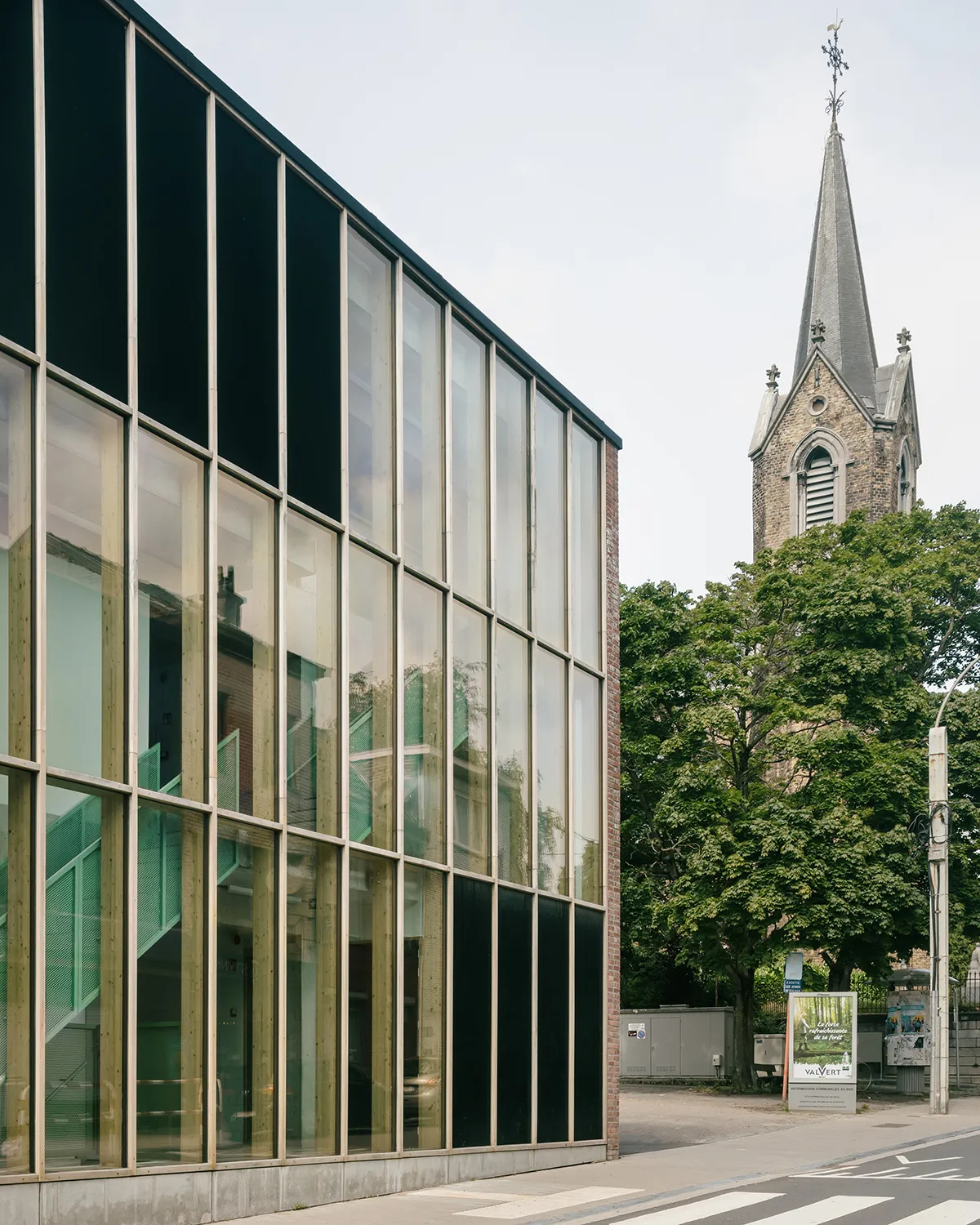
All materials deteriorate over time. However, it is important not to confuse cladding timber, which degrades over the years because it is generally left untreated, with joinery timber, which is framed and protected from the ravages of time by a finish that needs maintaining every 10-15 years. A PVC or aluminium window that has discoloured after 20 years needs replacing, whereas a timber window can easily be repaired and repainted in the same colour… or a different one to bring it up to date. Another way to extend the service life of timber windows, and only timber windows, is to replace the glazing with a new unit that performs significantly better while remaining as thin as the original. UCL recently renovated more than 600 old timber windows in this way.
This «renovability» gives timber windows a much higher level of sustainability than simply recycling aluminium or PVC. Nathalie Lebrun, Communication and Sustainability Manager: «Our life cycle assessment demonstrated a 60-year service life for our windows, double the standard figure used in Totem.»
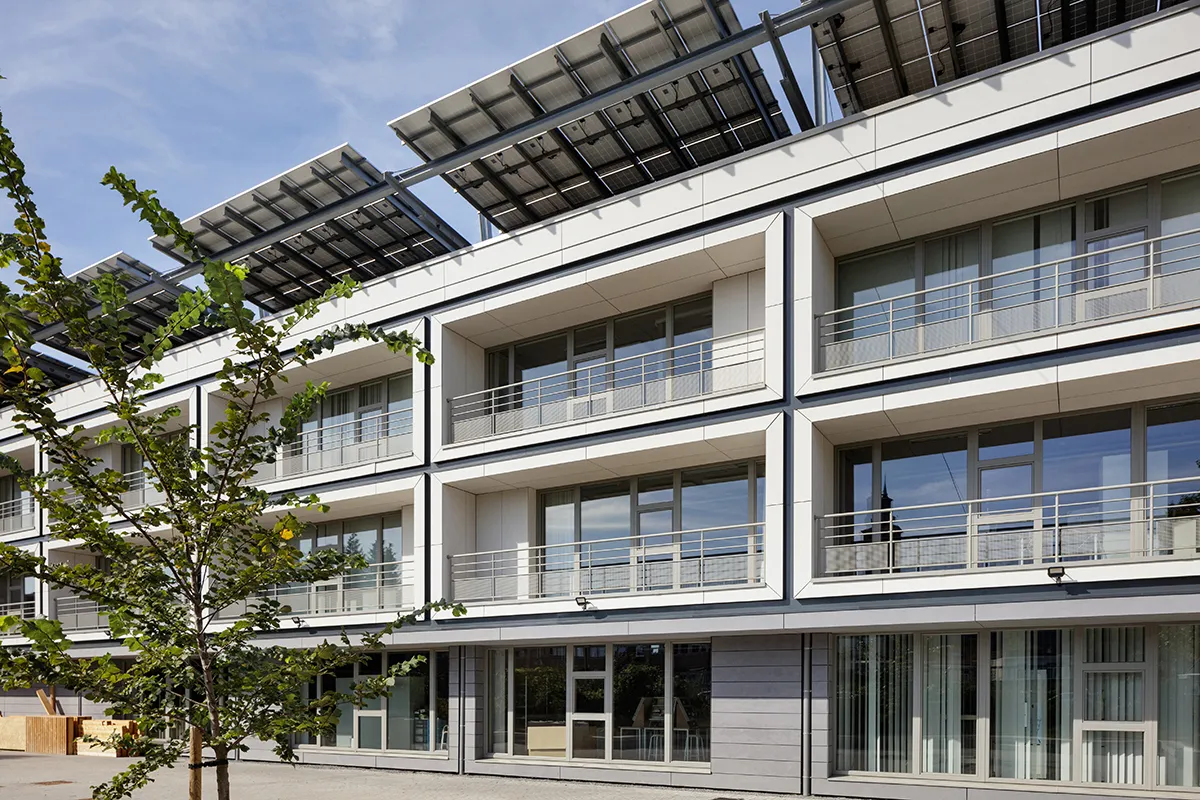
Made to measure
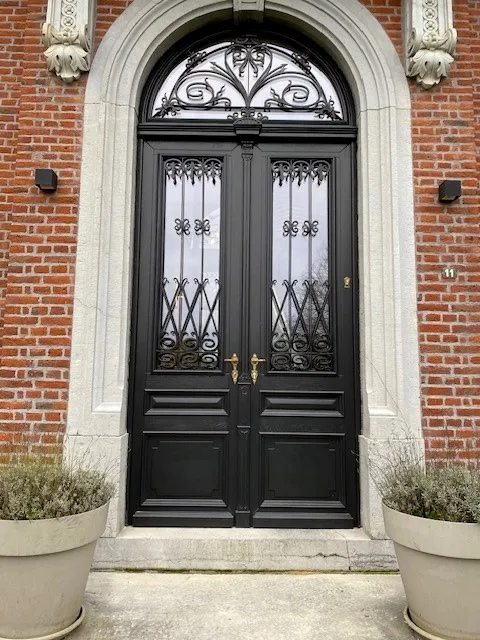
Menuiserie Riche also specialises in high-quality restoration in areas where façades are protected, whether in Lille, Brussels or elsewhere. Nothing matches timber when it comes to adapting to the aesthetic features of heritage buildings: colour schemes, mouldings… and even salvaged ironwork and stained glass… anything is possible with timber.
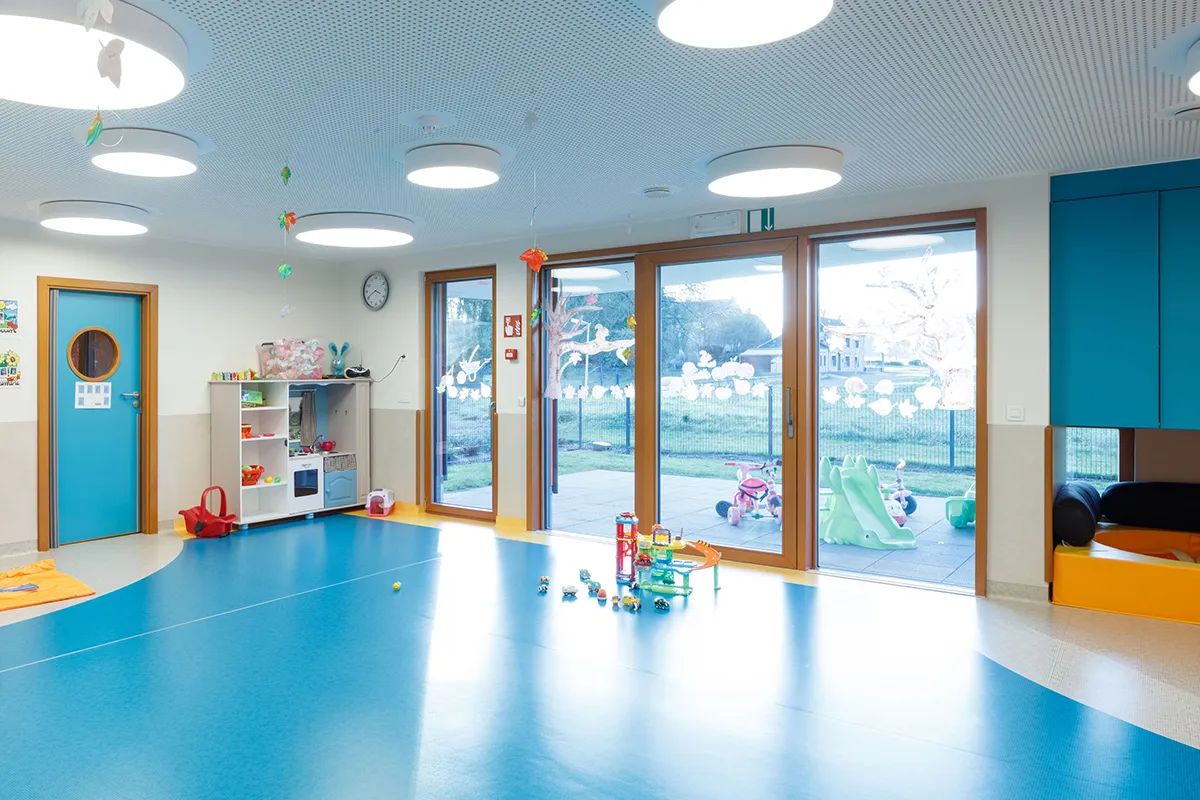
The company in Mariembourg can deliver small quantities for highly specialised renovation work just as readily as large quantities for major projects, while meeting deadlines, thanks in particular to digitalisation.
Building confidence to rekindle interest
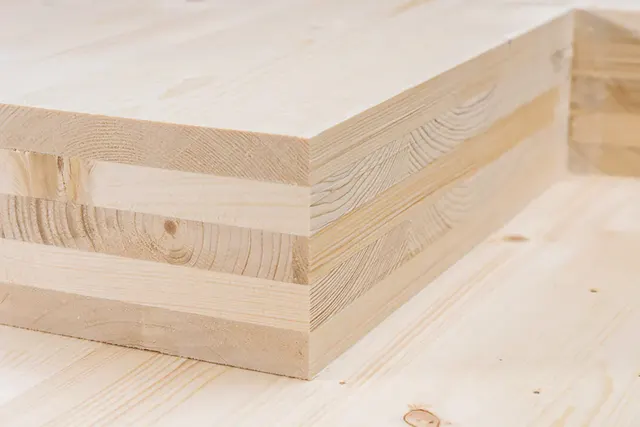
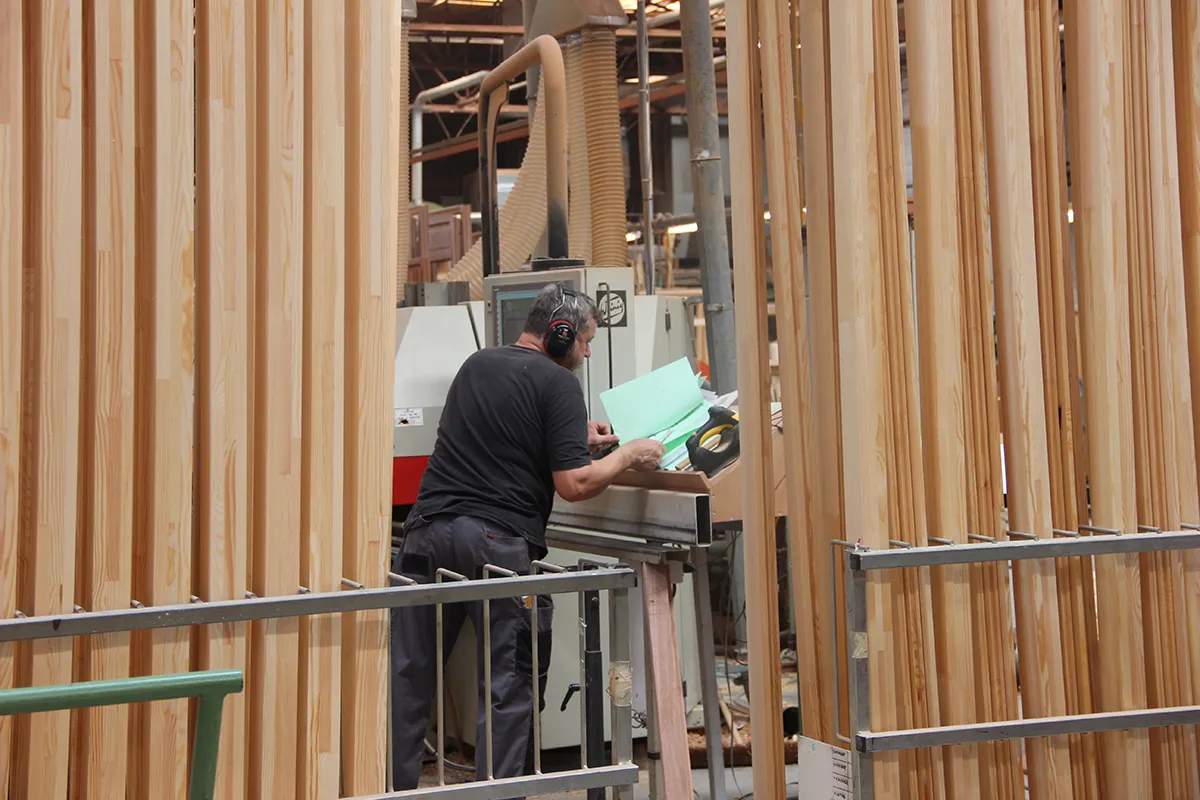
Bruno Riche continues: «As early as 1983, we were the first Belgian manufacturer to make our windows from laminated timber, which enabled us to use local European species again. These had been abandoned in favour of exotic species because they were too difficult to work in solid form, given the modest size of our logs. Today, 40% of the timber we use for our windows is European, while 60% is imported and PEFC-certified.»
For its timber and timber-aluminium windows with micro-finger-jointed connections, Menuiserie Riche has obtained the «bio-based product» label as well as Environmental Product Declarations, opening the door to certain projects through its presence in French and Belgian databases.
With all its qualities, timber is indeed establishing itself as a material of the future, even for external joinery. It takes little energy to process, the entire supply chain is available locally, and the material comes out on top across the board. But only a timber expert can make the most of the material, which is available in numerous species, each with its own performance characteristics in terms of durability, thermal performance, security, acoustic performance… Every species has its strengths and weaknesses, and therefore its areas of application.
Bruno Riche concludes: «For us, this is a battle, and we need to educate the public, starting with specifiers, architects and engineering consultancies. At the architects’ days we organise jointly with Stabilame, almost everyone came to find out more about timber construction, and most left delighted to have learnt so much… about timber joinery, because their frame of reference was still their grandparents’ timber windows.»
Question about this story? Ask your question
Companies in this story
Keep following this
Get an email when a new story is published. No account needed.
- ThemeFaçades and building comfort
- SubjectTimber construction
- CompanySTABILAME