Timber construction in Belgium: a sector in full expansion
Texte & photos Ligne Bois
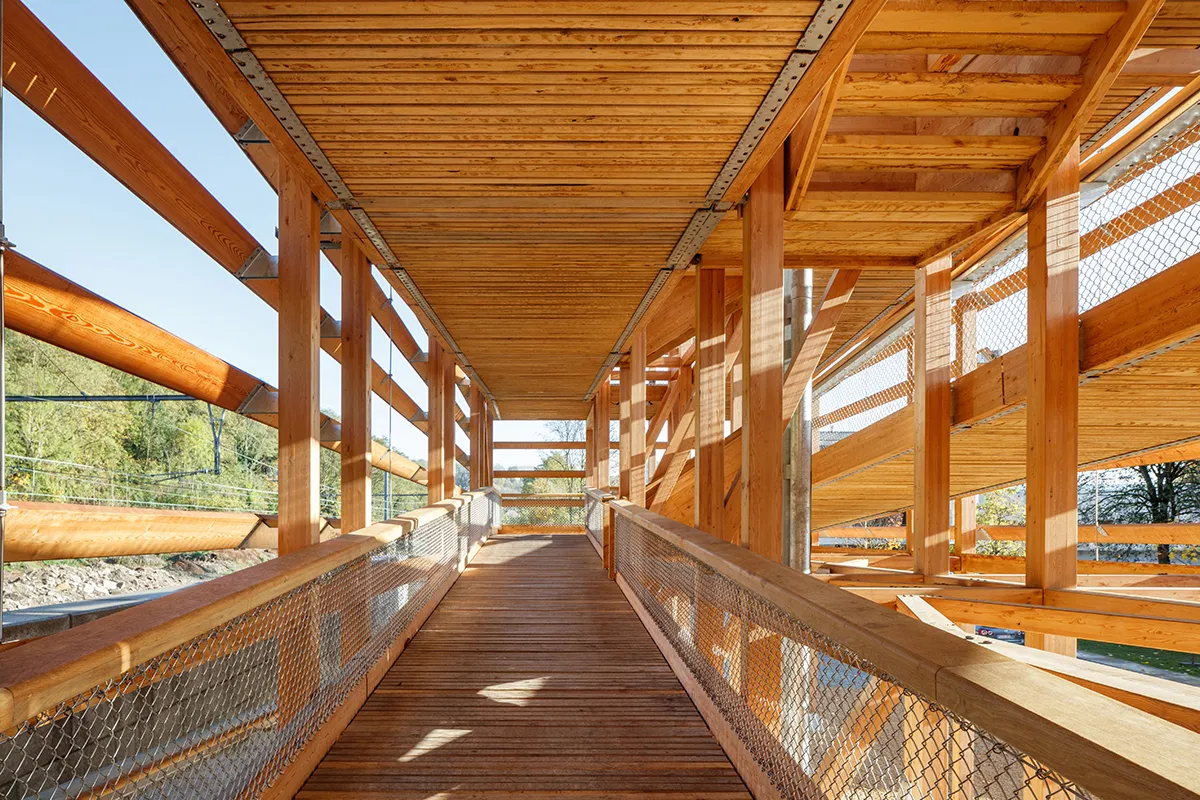
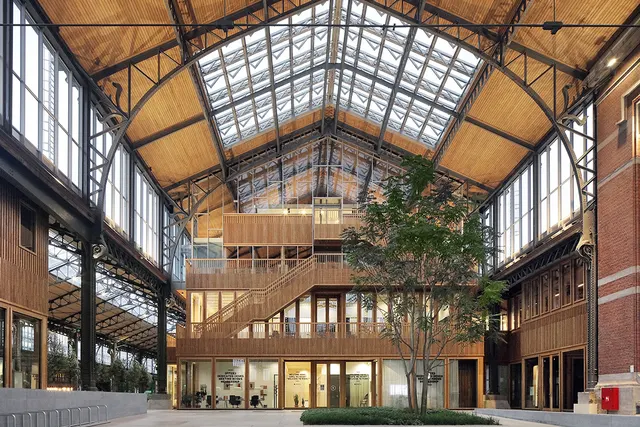
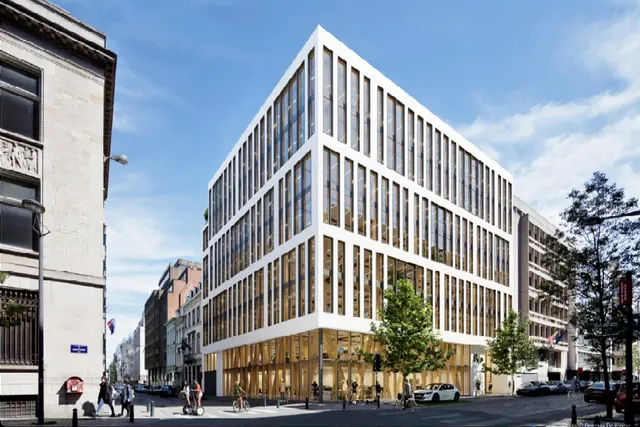
Timber construction has been growing steadily for several years. In 2022, it accounted for around 7% of new buildings, mainly in the single-family home and small residential building segments. Although this share remains modest, current trends and growth prospects are promising.
Growing enthusiasm for timber
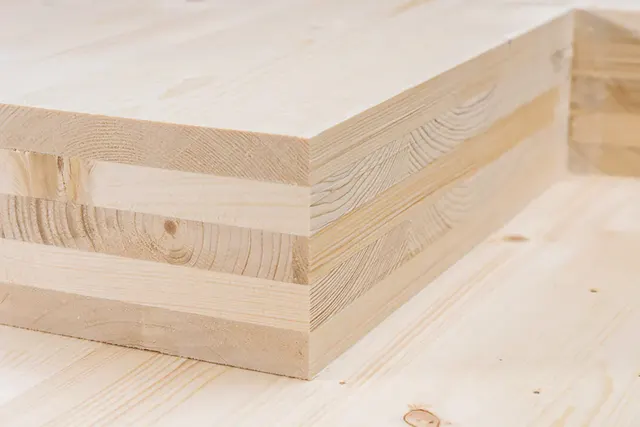
More and more clients and architects are turning to timber, attracted by its many advantages: low weight, fast construction, optimal energy performance and a reduced carbon footprint. Advances in technology and regulations supporting bio-based materials are further strengthening this interest, making timber an increasingly credible alternative to conventional materials such as steel and concrete.
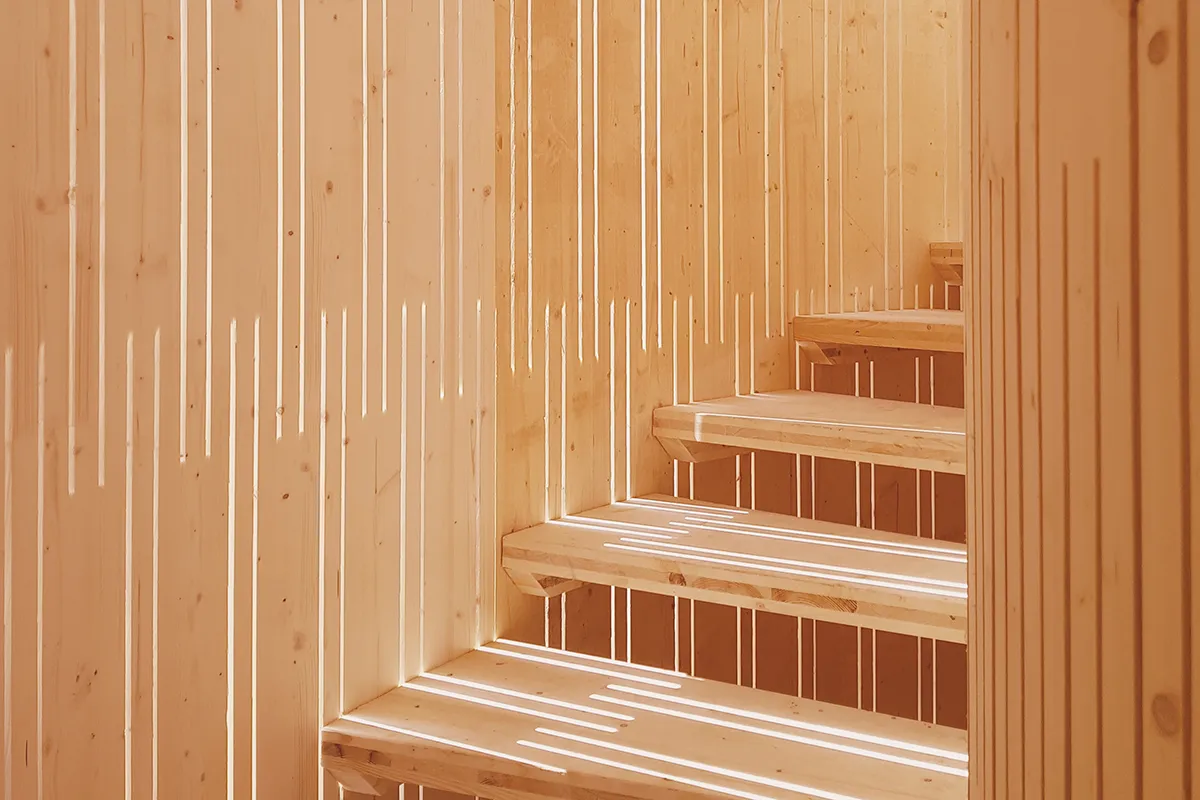
One obstacle after another is being overcome
Although timber has yet to take the place it deserves in Belgian construction, cultural, technical and economic barriers are gradually diminishing.
While steel and concrete have long dominated the architectural landscape, the need to adopt more sustainable solutions has now put timber centre stage. Its use is part of a global trend, driven by outstanding projects in Scandinavia, Austria, Germany and France, where timber buildings are becoming the benchmark for quality and sustainability.
“From an economic point of view, off-site prefabrication has made timber construction far more attractive and accelerated its industrialisation, making it financially competitive with concrete and steel today,” says Admon Wajnblum, Communications Manager at Ligne Bois, the information and promotion centre for timber in construction and a business association bringing together industry players.
Misconceptions are becoming harder to justify
“Reservations about timber generally stem from a lack of understanding of its specific properties, which allows prejudices to take hold: poor durability, vulnerability to fire, and so on. It takes time to dispel these misconceptions,” says Admon Wajnblum.
Yet timber is exceptionally durable when properly used. Appropriate treatments and modern techniques ensure its resistance to the elements, insects and fungi. As for fire safety, tests show that timber structures perform as well as steel or concrete ones, thanks to their ability to char, which slows the spread of fire.
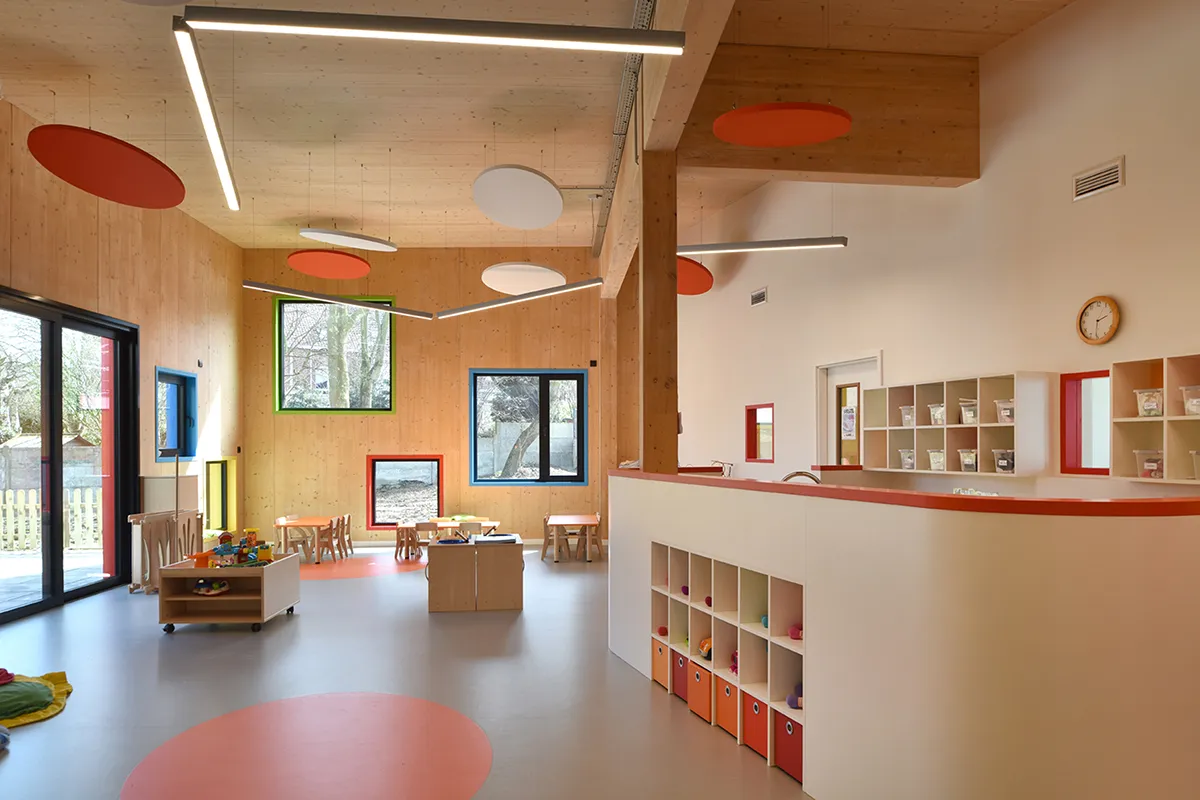
A vital response to environmental challenges
The construction sector is one of Europe’s biggest polluters, accounting for more than a third of greenhouse gas emissions and nearly 40% of waste. It is also one of the largest consumers of primary energy and the biggest user of raw materials.
In response to these challenges, timber stands out as a leading solution. It is a renewable material that takes very little energy to process and stores carbon throughout its service life. Timber construction also generates very little waste and is ideally suited to circularity. “By using timber, construction becomes a genuine carbon sink, actively helping to tackle climate change and easing pressure on resources,” adds Admon Wajnblum.
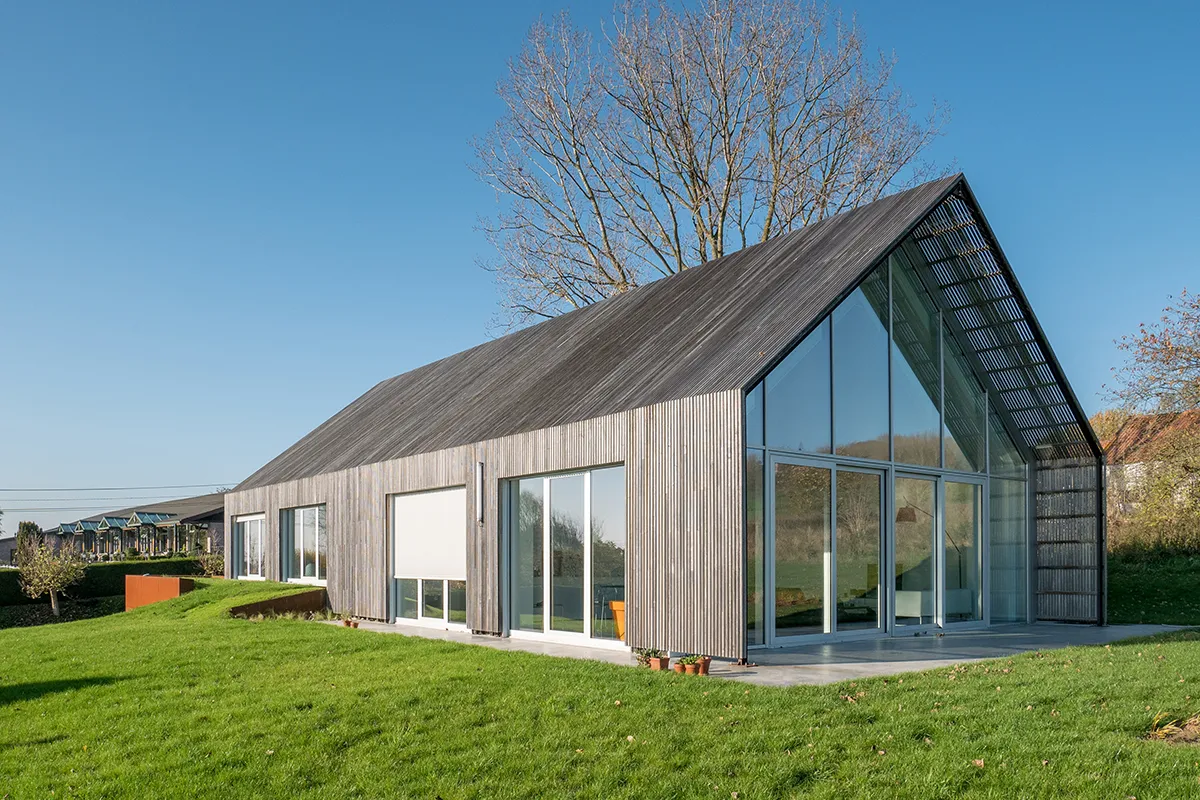
The key role of the public sector
In Belgium, several initiatives point to a growing commitment by public authorities to promote timber construction through exemplary projects and tenders that include environmental criteria. Admon Wajnblum says: “As we have seen in Germany and France, strong institutional support stimulates demand and encourages property developers to invest in sustainable projects.” By introducing tax incentives and raising awareness among industry players, the authorities can make a major contribution to establishing timber as a cornerstone of tomorrow’s construction.
In the face of the climate emergency and the need to build more responsibly, timber is clearly emerging as an essential alternative for building the future.
Question about this story? Ask your question
Companies in this story
Keep following this
Get an email when a new story is published. No account needed.
- ThemeBuilding with less carbon
- SubjectTimber construction
- CompanyLigne Bois