Two pilot projects for car-pooling lanes launched in Wallonia
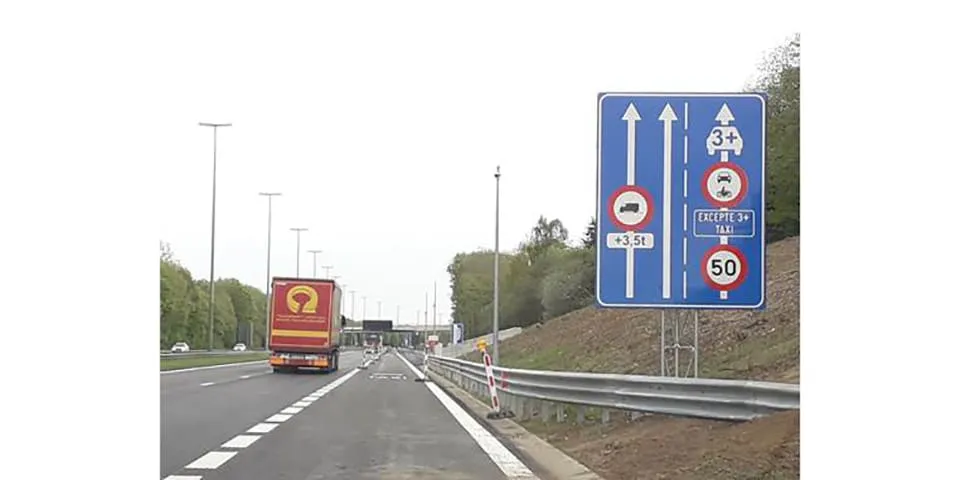
Two innovative car-pooling pilot projects were launched on Tuesday morning, on the north and south sides of the E411/A4 motorway, at Wavre and Arlon. The first of their kind in Europe, the projects were officially presented today by Carlo DI ANTONIO, Walloon Minister for Mobility and Transport, SOFICO and SPW Mobilité et Infrastructures.
“These pilot projects will help reduce traffic congestion on the approaches to Brussels and the Luxembourg border,” says Carlo DI ANTONIO. “Car-pooling is environmentally friendly, sociable and economical. It is now easy to organise and should become a genuine mobility solution. Whether in terms of infrastructure or vehicles, it makes the most of resources that already exist.”
In Belgium, more than 8 out of 10 motorists drive alone. A 10% reduction in solo drivers would cut queues by 40%. A 25% reduction could put an end to traffic jams!
These projects form part of the Walloon Government’s Fast 2030 vision, which aims to tackle all the problems caused by mobility in an integrated and coherent way. With regard to average vehicle occupancy, the target is to reach 1.8 people per vehicle by 2030, compared with 1.3 today.
TWO PILOT SITES: WAVRE AND ARLON
Two sites on the E411/A4 were selected for these pilot projects. Both regularly experience traffic backing up from Brussels or the Grand Duchy of Luxembourg, meaning that traffic speeds there often fall below 50 km/h.
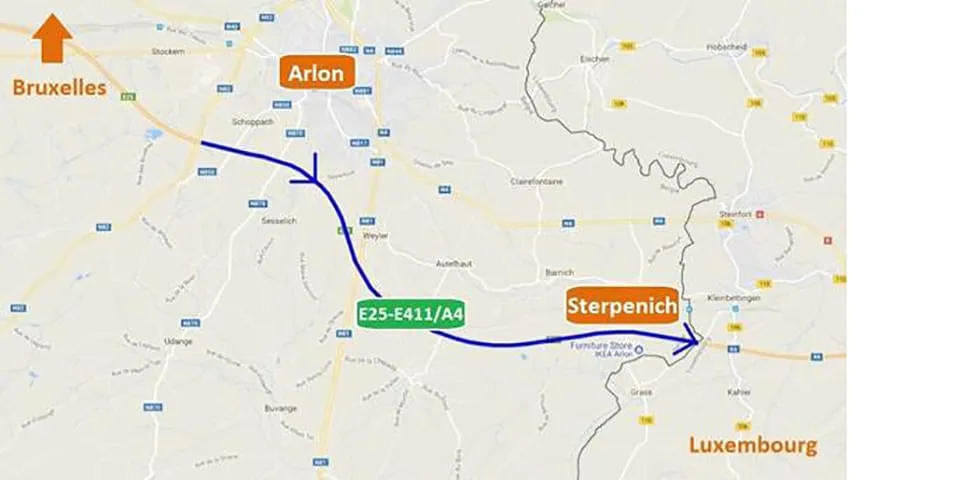
The first project is in Luxembourg province, between Arlon and Sterpenich, covering around 10 kilometres of the carriageway towards Luxembourg.
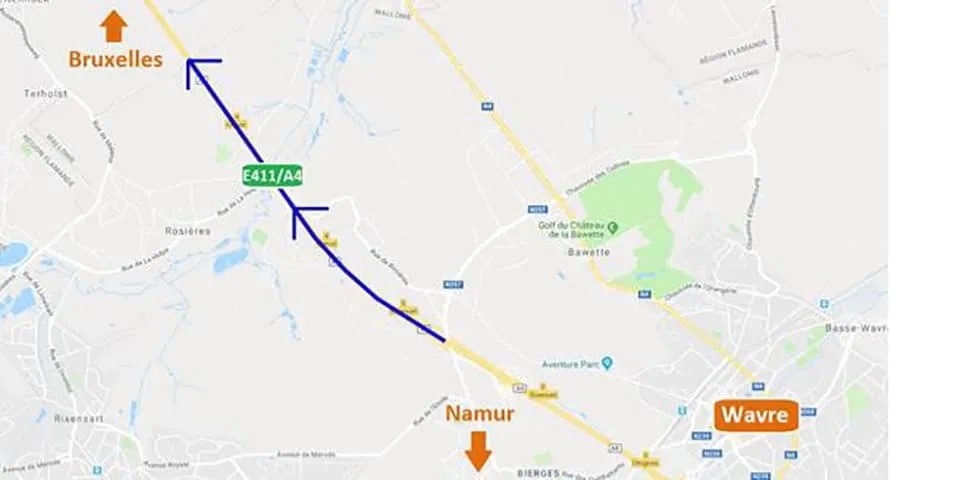
The second project is in Walloon Brabant province, between Wavre and Rosière, covering around 4 kilometres of the carriageway towards Brussels.
HOW DOES IT WORK?
In the event of a traffic jam, the hard shoulder may be used by any light vehicle carrying at least 3 people, including the driver, at a maximum permitted speed of 50 km/h. Lorries and motorbikes may not use this lane reserved for car-pooling. Public-service buses are permitted only at Wavre, where there is specific road marking, and not at Arlon, where the hard shoulder is too narrow.
Electromechanical systems will be used to check that these rules are being followed. Two control points have been installed in each pilot zone, each comprising:
- two ANPR cameras, which read the vehicle’s front and rear number plates, identify the type of vehicle using the lane and calculate its speed, for information and display on the variable message sign;
- two state-of-the-art image-analysis cameras, which use a series of images taken through the vehicle and facial-recognition software to determine how many people are on board. They are fitted with infrared illuminators to ensure detection at night;
- two traffic-monitoring cameras providing an overall view of traffic.
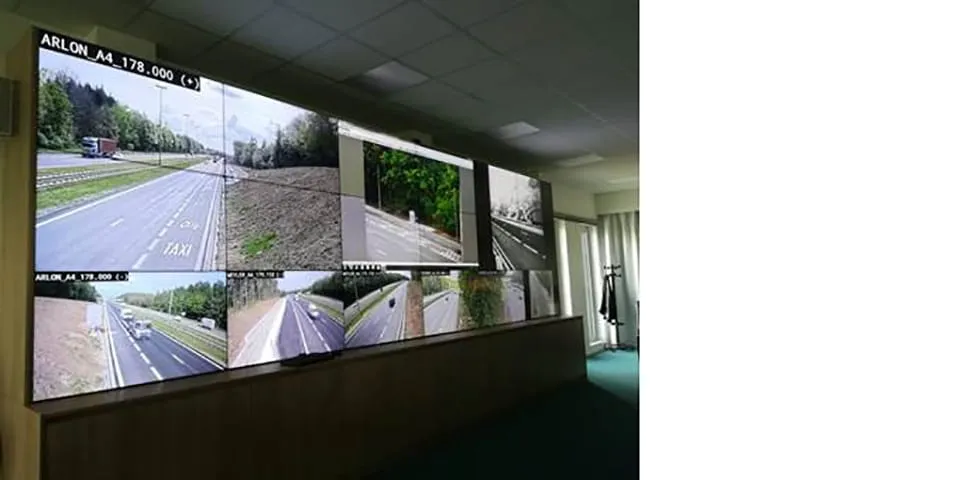
This information is centralised at the Centre Perex.
For any vehicle that is unsuitable in size or does not carry enough people, a report will be drawn up and sent to the Police for approval. Fines may amount to €58. The fixed control points described above will also be supplemented by a mobile control point.
A variable message sign located around 200 metres downstream of the first control point will warn drivers travelling too fast. The fixed systems will not issue speeding fines. However, mobile speed cameras will be deployed regularly.
These pilot projects will be assessed over a period of one to two years to determine whether they should be extended to other areas. Other sections of the strategic road network could in future offer a fast lane for car-poolers.
The projects have a budget of €906,000 excluding VAT, funded by SOFICO. They are being delivered in collaboration with SOFICO’s technical partner, SPW Mobilité et Infrastructures.
3 WAYS TO GET CAR-POOLING IN WALLONIA
Alongside the two pilot projects unveiled today, the Walloon Minister for Mobility and Transport points to two other tools available to encourage car-pooling in Wallonia:
- the “ComOn” smartphone app, available on Google Play and the App Store, which connects people looking to car-pool occasionally or every day.
- Wallonia’s network of car-pooling car parks. Conveniently located close to major roads, the network has continued to grow over the past 5 years. More than 2,000 secure, free parking spaces are now available to car-poolers.
A CAMPAIGN TO ENCOURAGE CAR-POOLING
Car-pooling is also the focus of the current poster campaign along our motorways and major national roads.
“Still hooked on solo pleasures”: the campaign uses humour to encourage road users to car-pool, helping to reduce queues and improve mobility.
The campaign is displayed on 300 signs across the network and will remain in place until the end of the month.
Question about this story? Ask your question
Keep following this
Get an email when a new story is published. No account needed.
- ThemeTransforming infrastructure and territories
- SubjectInfrastructure