Geotextiles: technological advances in the service of ecology
Texte Geert Van Cauwenberge | Photos BontexGeo
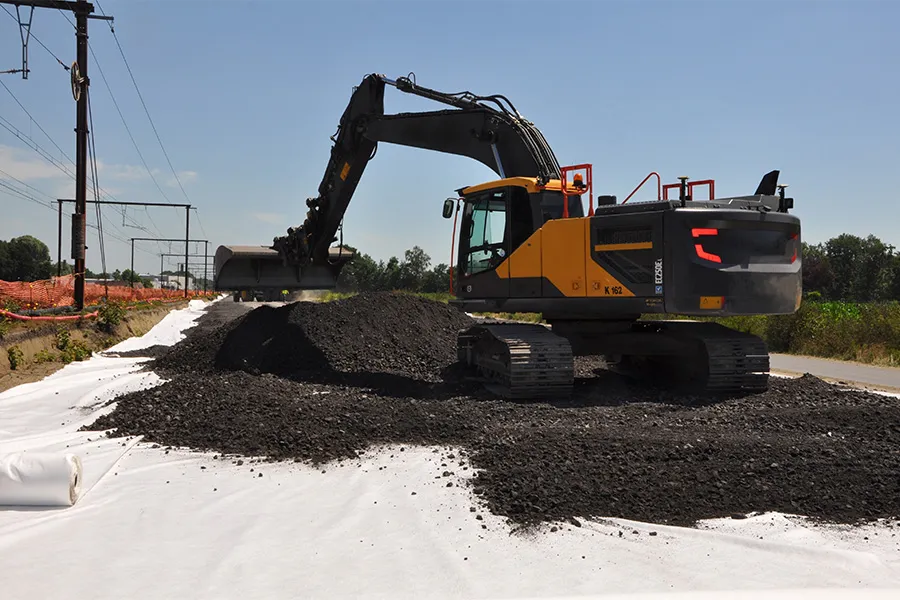
BontexGeo is a leading producer of woven and non-woven geotextiles. These textile products have been used successfully in construction and infrastructure projects for many years. Geotextiles offer technical benefits and also perform particularly well in terms of sustainability. Kenny De Wolf, Product & Marketing Manager at BontexGeo, explains how.
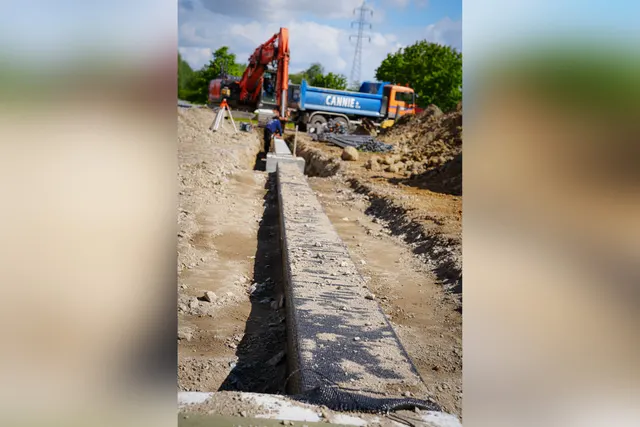
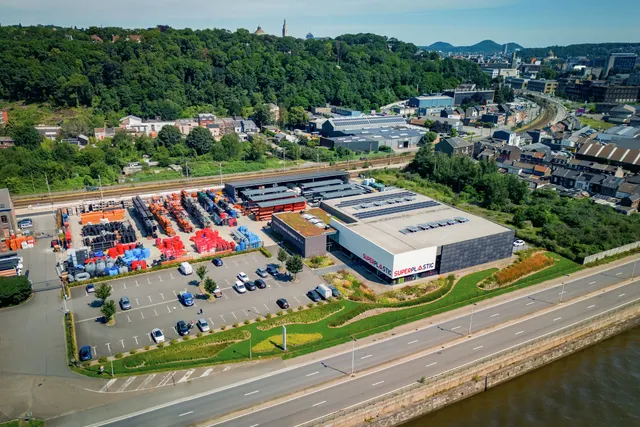
From its headquarters in Zele, and with several branches across Europe, BontexGeo supplies a wide range of innovative geotextile products to contractors and wholesalers. “Our products are frequently used in civil engineering for separation, filtration, reinforcement, drainage and/or protection,” explains Kenny De Wolf, Product & Marketing Manager. “We invest heavily in research and development to offer our customers the most sustainable solutions possible, with ecology and circularity playing an increasingly important role.”

Sustainability is a priority
Kenny and his colleagues are clearly seeing more and more customers, as well as their own customers, attaching great importance to sustainability. “As an environmentally friendly solution for construction and infrastructure projects, using this material is a sensible choice for reducing environmental impact and contributing to a greener society. European studies show that the environmental impact of infrastructure projects carried out using geotextiles is significantly lower than that of traditional methods. I’m happy to explain why our solutions perform so well in this area.”
Long service life
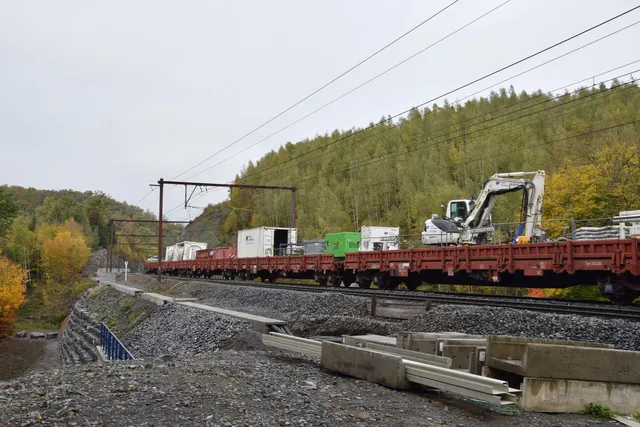
The long service life of geotextiles is an important factor. “Our BontexGeo solutions easily last 50 to 100 years,” Kenny confirms. “This long service life ensures that infrastructure such as roads and railways, dykes and airports remains in good condition for many years. Using geotextiles as a reinforcement material increases the stability and load-bearing capacity of the foundation layer, thereby reducing the load on the structure. This means fewer repairs and replacements are needed, which in turn reduces the use of new materials and energy-intensive construction processes. In terms of total cost of ownership, this is a win-win for contractors and clients. Independent studies show that using geotextiles reduces greenhouse gas emissions by a factor of 10 compared with a traditional mineral filter layer.”
“At first glance, organic geotextiles such as jute or coir mats may seem like the most sustainable solutions, but their limited service life means they need to be replaced frequently. This increases overall CO2 emissions.”
“Geotextile production is also carried out in a way that reduces environmental impact,” Kenny emphasises. “At BontexGeo, geotextiles are manufactured using energy- and water-efficient processes, helping to reduce the carbon footprint. In addition, BontexGeo works with external partners to recycle waste generated by its production processes.”
Improving energy performance
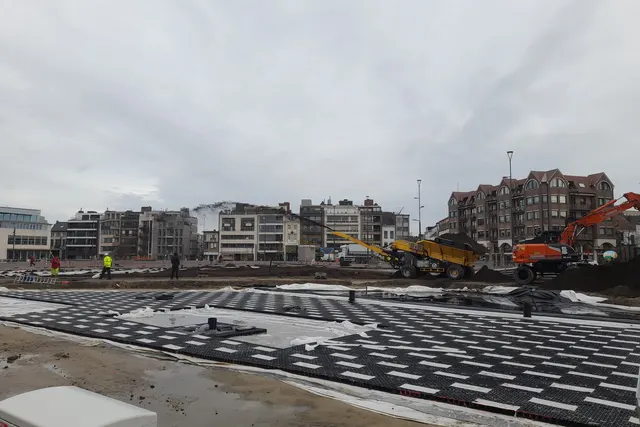
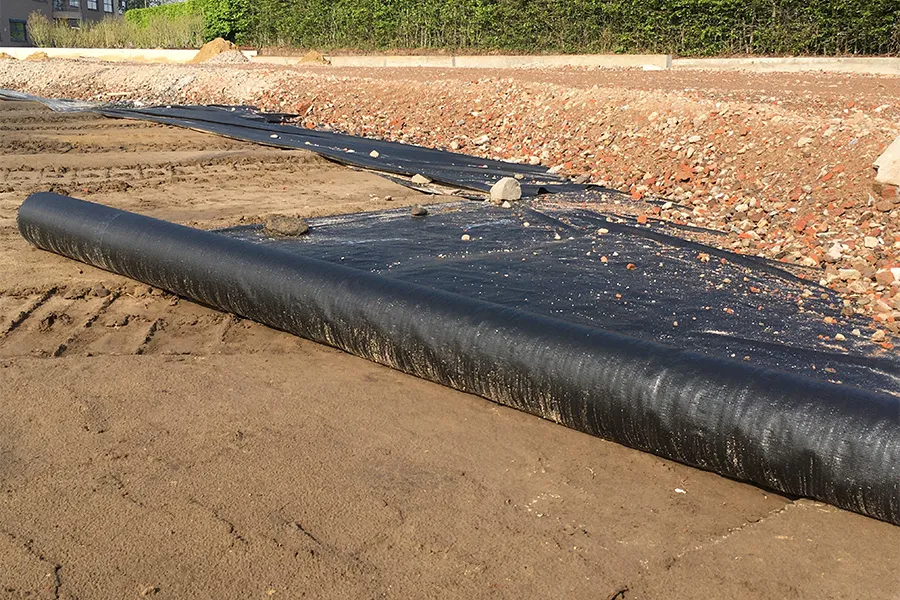
“The third sustainability benefit of geotextiles is improved energy performance,” Kenny explains. “Geotextiles help optimise the energy performance of construction and infrastructure projects. Their use in geotechnical applications, such as reinforcing roads and foundations, reduces the need for raw materials and energy-intensive processes. This reduction in demand for raw materials such as gravel or sand also means fewer heavy goods vehicle movements. We also see geotextiles helping to improve the energy efficiency and climate regulation of buildings, for example in green roof solutions.”
“BontexGeo applies this commitment to improving energy efficiency at its own premises too. For example, around two years ago we replaced all the lighting in our production hall with LEDs. This is just one of the many initiatives our company has taken to reduce its environmental footprint as much as possible.”
Question about this story? Ask your question
Keep following this
Get an email when a new story is published. No account needed.
- SubjectInfrastructure