Investing in the common good
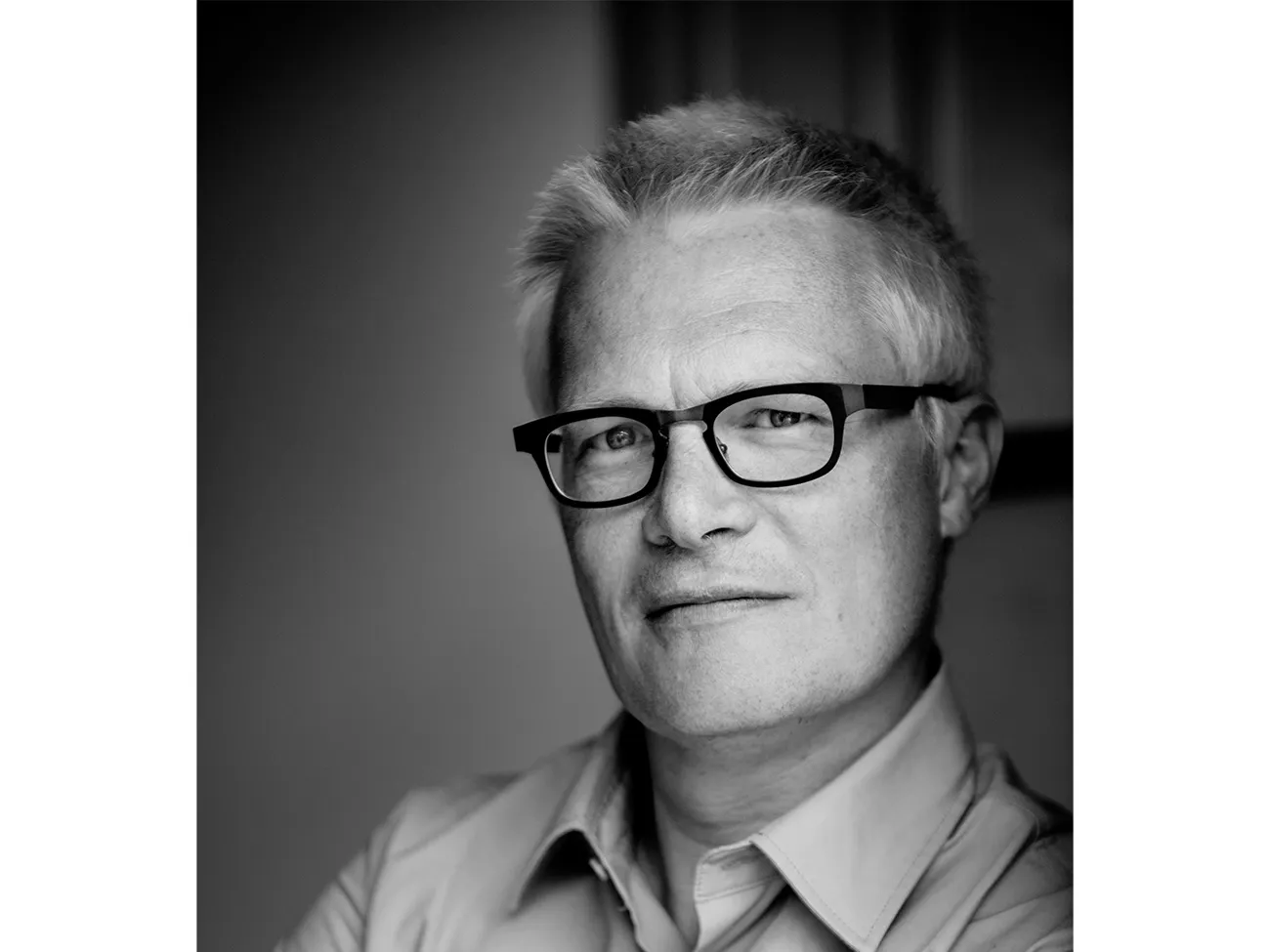
When I qualified as an architect in 1994, only a handful of students really wanted to enter the profession. Apparently, our training was so broad that some went on to specialise in architectural lighting or heritage restoration, while others preferred structural calculations or facilities management. I ended up becoming an impact investor. I invest in social-purpose businesses. Given that practically no one chose to study architecture to make a lot of money, architects are, in fact, also… social entrepreneurs. We all want to make the world a little better. For the common good,
for the community.
And yet it takes a desperately long time to build the future of a sector as immobile as real estate. Globally, the built environment accounts for 40% of total CO2 emissions, energy prices are soaring, and material shortages have been making themselves felt for several years. Yet today, only 1% of buildings are constructed circularly, while the European Green Deal sets increasingly stringent targets. Despite this, developers and investors continue to drag their feet.
Why don’t we all invest massively in social housing? In out-of-school support for children growing up in poverty? In solar panels on every public building? In climate-resilient streets that make city life cheaper and more pleasant for everyone? In national parks close to the city, benefiting tourism, health and biodiversity? Why don’t all office buildings immediately switch to smarter air conditioning? Why are local energy communities still finding it so hard to get off the ground?
Because we have built our capitalist model on a false premise: as though everyone only thought about their own interests. That’s not true. Most people are good by nature. If Rutger Bregman’s statement is true, so much more suddenly becomes possible. It is in our own interest to give a little more thought to the common good. If we assess all these business opportunities using a lower cost of capital, simply because people are willing to accept somewhat lower returns for the common good, many of the investments mentioned above suddenly become obvious choices. Billions can thus be invested in our young people, in preventive healthcare, in projects tackling poverty, inequality and polarisation, in the agricultural sector by helping farmers transition to regenerative agriculture, and in sustainable cities where everyone plays a part.
That is why we organised Impact Finance Week at the end of November. Finance should be a force for good. If by 2030 we can increase the current 1% of impact investment tenfold, that should unlock €10 billion. This money also generates returns and carries fewer risks, for investors but also, and above all, for society. Social Return On Investment. Let’s build society, not only real estate.
Piet Colruyt
Architect, philosopher, climate activist and social impact investor
Question about this story? Ask your question
Keep following this
Get an email when a new story is published. No account needed.
- SubjectOpinion