“Securing a lasting future for our teams and a sustainable one for our clients”
Texte Philippe Selke | Photos Duchêne
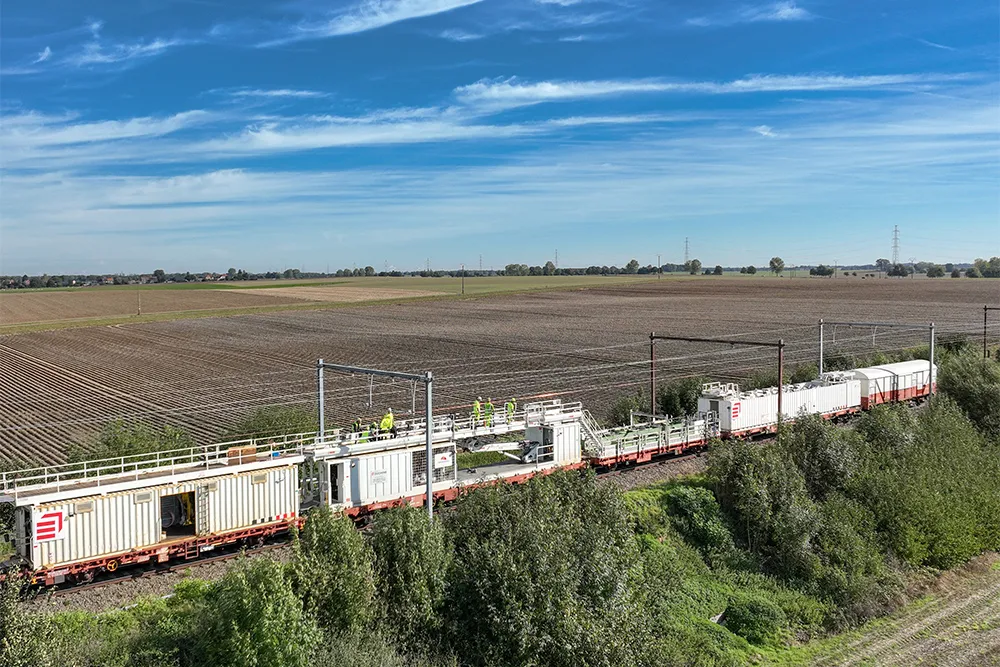
A member of the Eiffage group since 1990, Duchêne is a major player in Wallonia’s construction sector, operating in building, civil engineering, railway electrification and joinery. These are all areas of expertise in which the company stands out, thanks in particular to transparent communication, sound management and careful diversification that responds to the market. Philippe Goblet, director of Duchêne, explains this to us in an interview.
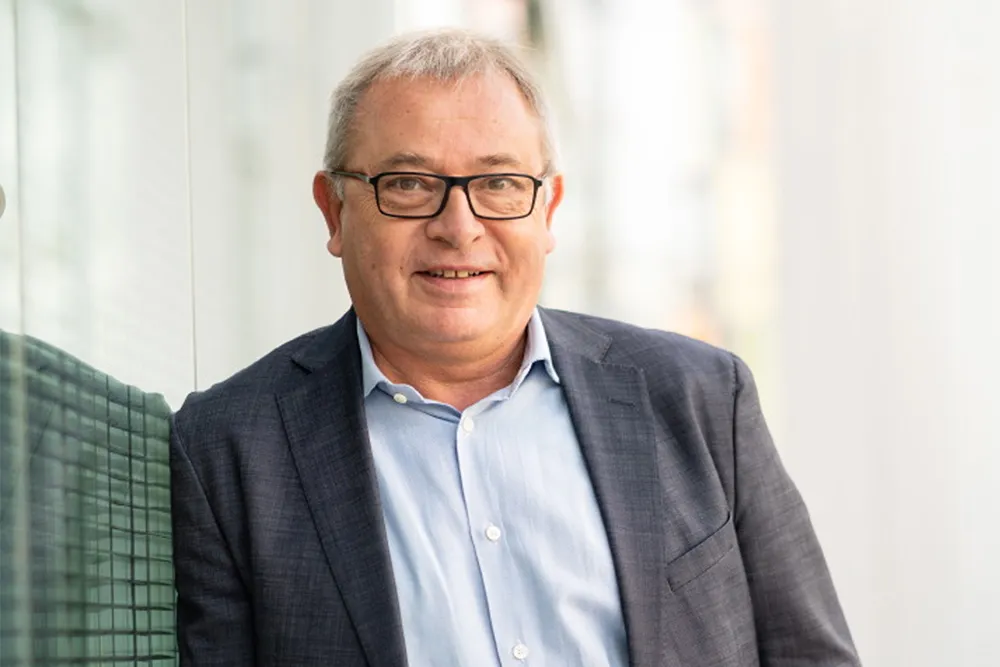
Philippe Goblet: “We are diversifying so that we can continue to ensure sufficient access to the market in the years ahead.” This is the context for the recent decision to establish a small unit bringing together the expertise needed to build property projects, which require a specific approach. Another example is the creation within Eiffage Benelux of a company specialising in timber-frame construction. As well as adding a new string to its bow, this will contribute to the group’s goal of becoming a leader in low-carbon construction.
Four pillars
These strategic choices strengthen the building business, which, alongside civil engineering, railway electrification and joinery, makes up Duchêne’s core business.
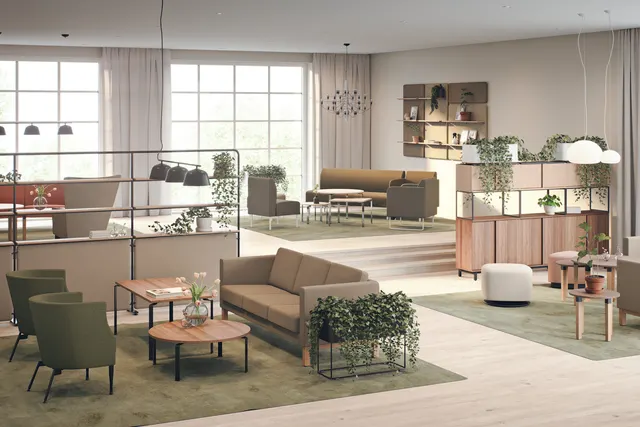
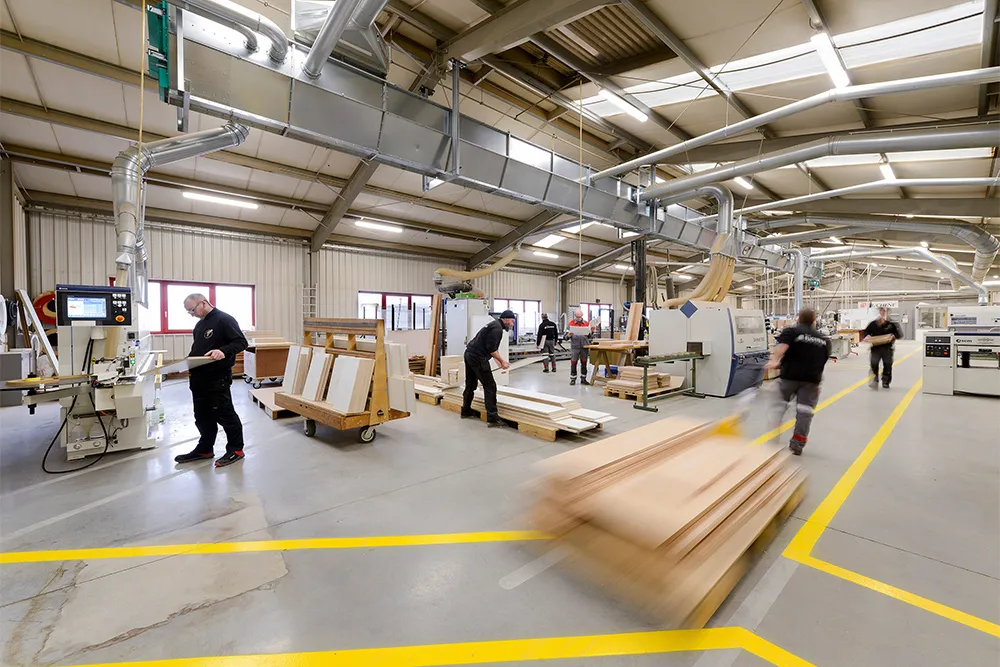
Although it currently generates only €5 million in turnover, the joinery business is a source of pride for Duchêne thanks to the quality of its work. Philippe Goblet: “We have made major investments, doubling the workshop’s floor area and equipping it with a fleet of state-of-the-art machinery. This means we can do excellent work while remaining profitable.” One of its latest projects, wooden furnishings for a major bank in Luxembourg, will feature in another issue of this magazine.
Overhead line installation for SNCB is a less well-known activity, although Duchêne can lay claim to being Wallonia’s leading company in this field. This niche business, which requires a specialist fleet of machinery and particular expertise, is another source of pride, generating €20 million in a typical year.
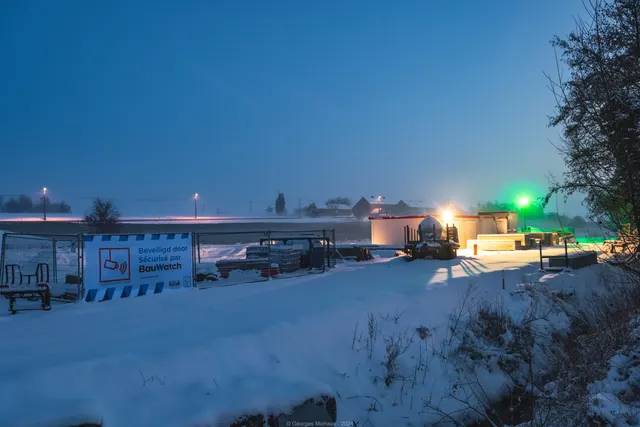
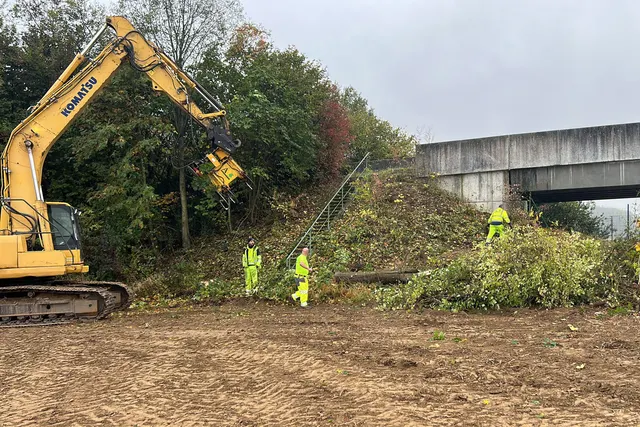
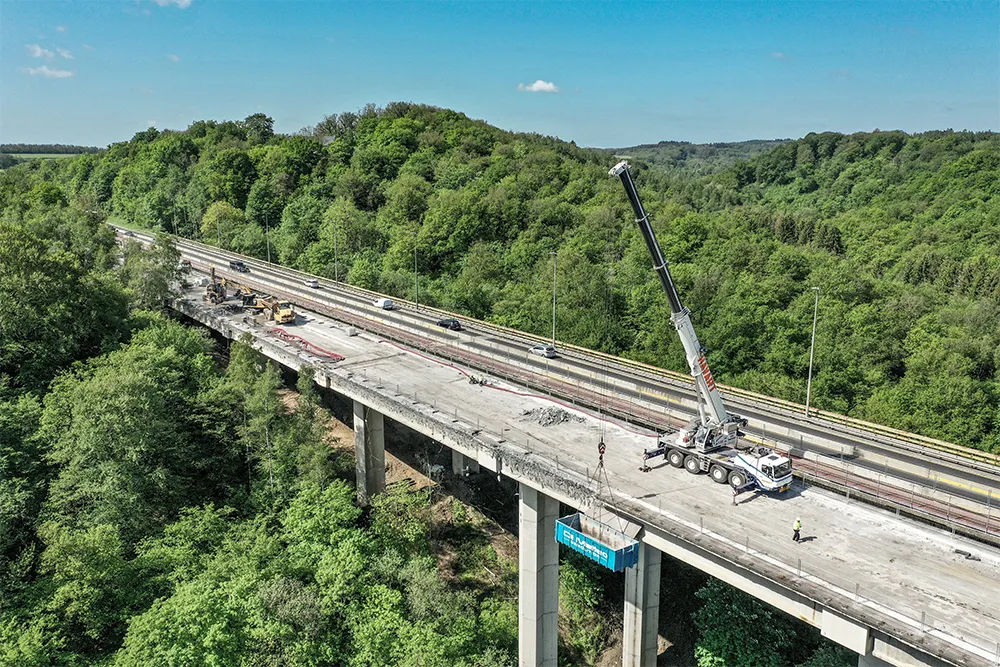
The civil engineering business, firmly established within the company, is currently booming. Major projects such as the Ampsin lock, the Charleroi metro, the Awirs gas-fired power station and the renovation of the Somme-Leuze viaduct have driven turnover to unprecedented heights.
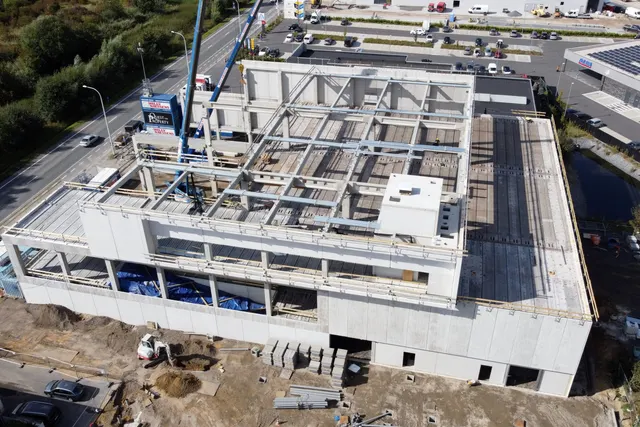
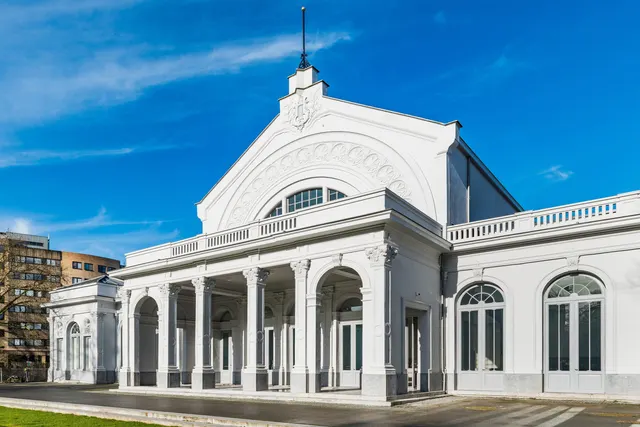
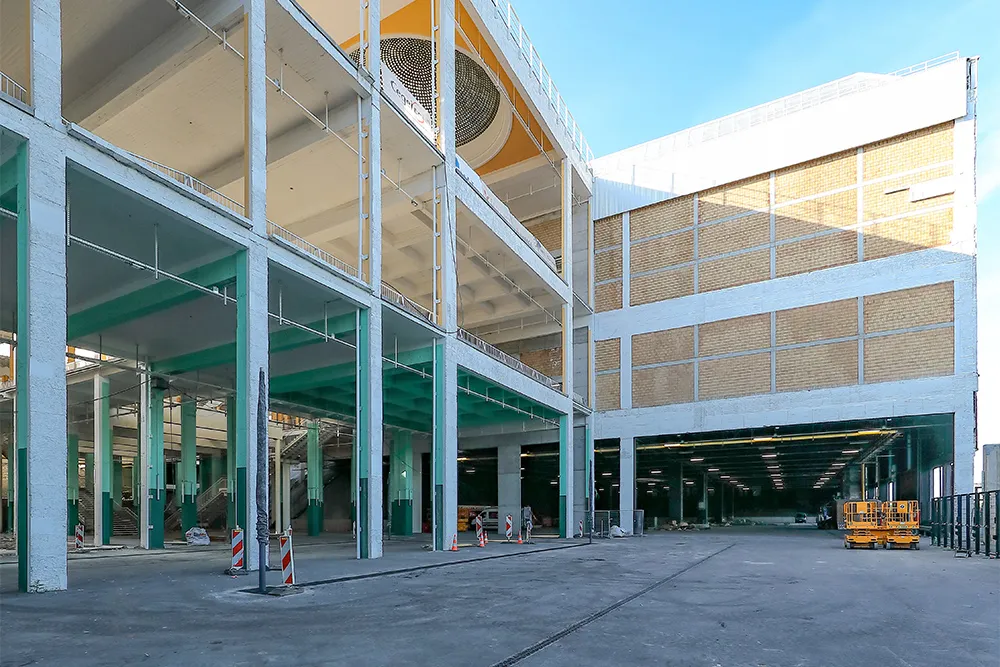
Last but not least, the building business, covering construction and renovation, accounts for the lion’s share, at around €120 million a year. Renovation and conversion are thriving, and no project is too complex for Duchêne’s teams, as shown by the works at the Palais des Expos and the “Zénobe Gramme” in Charleroi. Philippe Goblet: “This business is split equally between our headquarters in Strée and our site in Gosselies. Given our growth in Hainaut, we are considering building new offices in the Charleroi area, where we currently rent premises.”
With such a strong hand, Duchêne is well placed to offer reassuring prospects for the years ahead, with turnover stabilised at around €200 million.
A leading light in sustainability
Philippe Goblet: “We are fully aligned with the group’s plans to become a leader in low-carbon construction. We are investing heavily at our Strée site, in particular to double the capacity of our photovoltaic installations.” Duchêne is also active in innovation, participating in GreenWin research projects. “We have just been selected by the Walloon Region for a new project to recover plastic waste from construction sites and develop a recycling stream for these materials. We also know that legislation on waste sorting is set to change significantly. We are therefore setting up a working group within the company to improve the sorting of all our waste and its recycling.”
Another GreenWin project in which Duchêne is involved, Robotronc, aims to develop a construction system based on using whole tree trunks instead of engineered timber.
“The future of the company depends on the stability of our teams”
While the outlook for business is positive, management remains alert to the state of the labour market. Philippe Goblet: “The challenge is to find motivated people and then retain them by providing enough work while also looking after their wellbeing. We have recruited many people over the past four years. Our challenge now is to integrate these new recruits and build stable teams. There is work, we do a good job, and we are profitable, but without stable teams, we won’t get far.”
Question about this story? Ask your question
Keep following this
Get an email when a new story is published. No account needed.
- ThemeFaçades and building comfort
- SubjectDirectory