Improve the working environment to improve the atmosphere at work
Texte Arno Verheij | Photos Kinnarps
Ergonomic, flexible and sustainable interior solutions
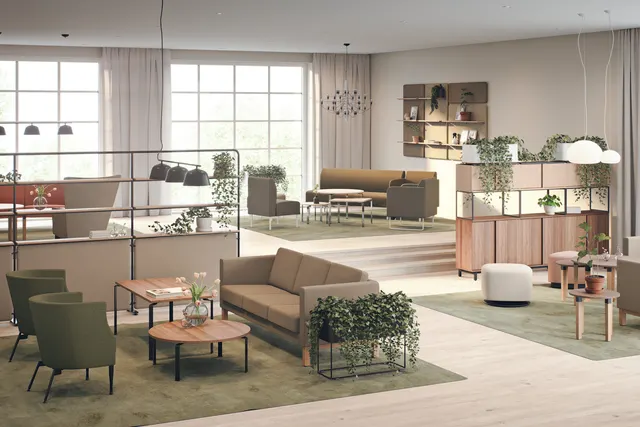
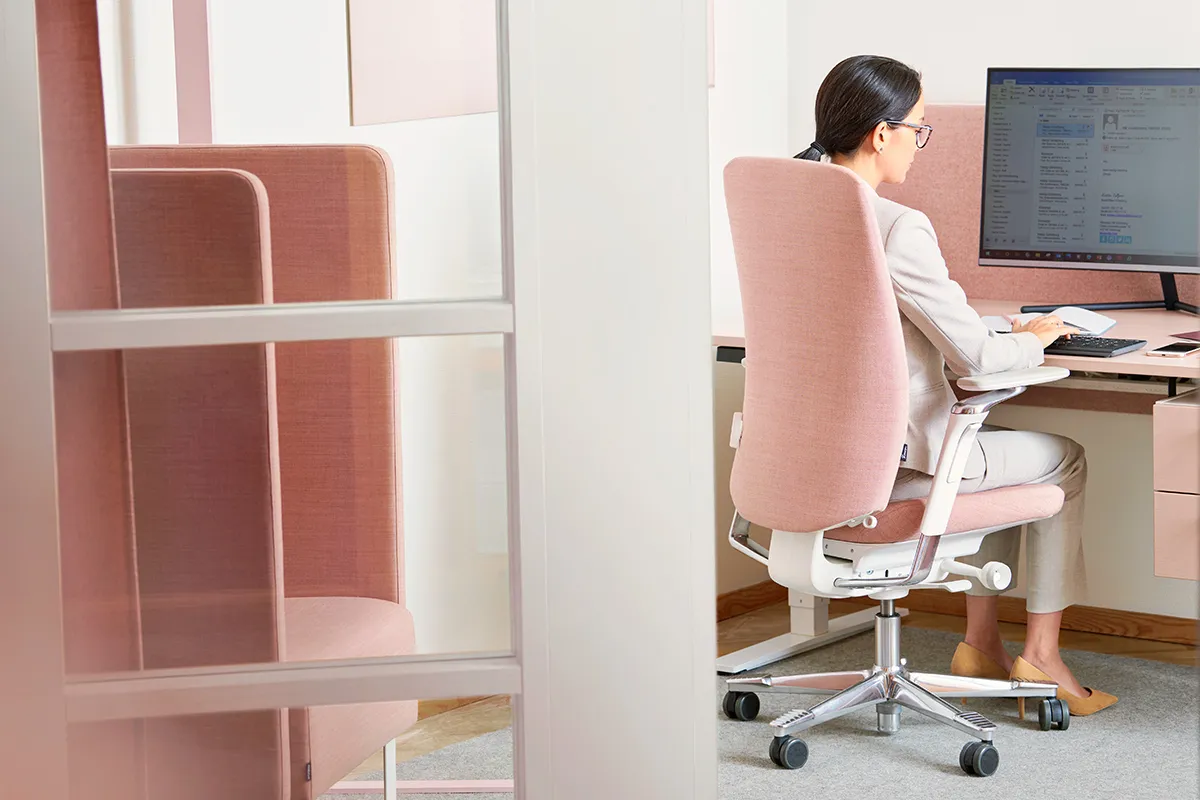
Sustainability, circularity and holistic ergonomics: these are the three pillars of a healthy working environment, according to Kinnarps, the Scandinavian full-service provider of interior solutions and office furniture. When your company’s physical working environment is perfectly aligned with its culture, the results are very positive…
Since 1942, the Kinnarps Group has been one of Europe’s leading suppliers of ergonomic office furniture. The group also provides comprehensive solutions for working, learning and living environments, for offices as well as educational and healthcare facilities. Kinnarps has more than 200 sales outlets worldwide, across more than 40 countries, and employs more than 1,650 people.

Increasingly diverse working environments
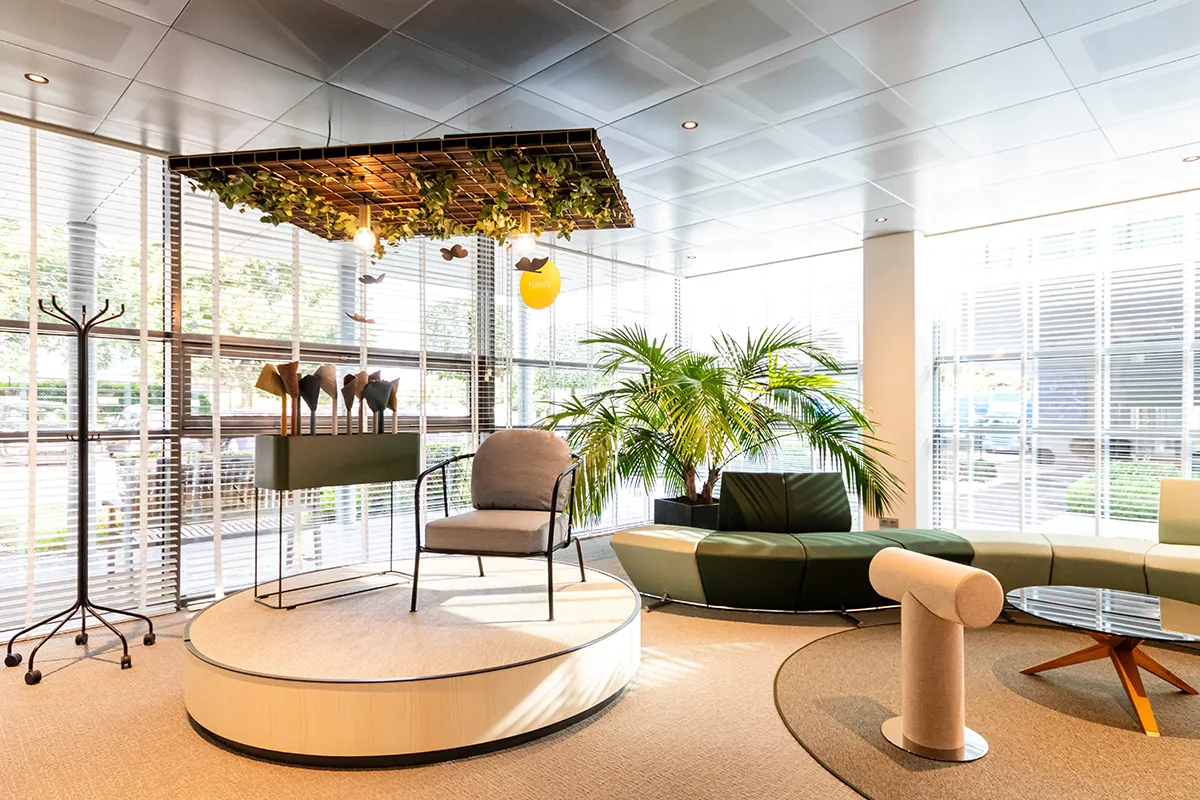
“Ergonomic office furniture is very important, but companies also need to think about how their spaces are used and laid out,” explains Christophe Lagers, Sales Manager at Kinnarps. “In many organisations, acoustics are the number one problem. We now realise that the open-plan office trend, which emerged in the early 2000s, is not the panacea we had hoped for. We are now moving towards greater variety in working environments, bringing together working from home, traditional workplaces, open-plan spaces and more, while also making room for areas better suited to focused work.”
Holistic ergonomics
“Our solutions are based on three pillars: holistic ergonomics, sustainable circularity and functional design. Holistic ergonomics encompasses every aspect and component of a space: everything from furniture and layout to materials, colours and lighting matters. It also takes social and mental factors into account: how do staff feel in their workplace? Factors such as culture, leadership and inclusion play an important role here.
Just as in an orchestra, harmony only emerges when everyone is looking in the same direction. To create this collaborative spirit, we analyse the company’s culture and vision.”
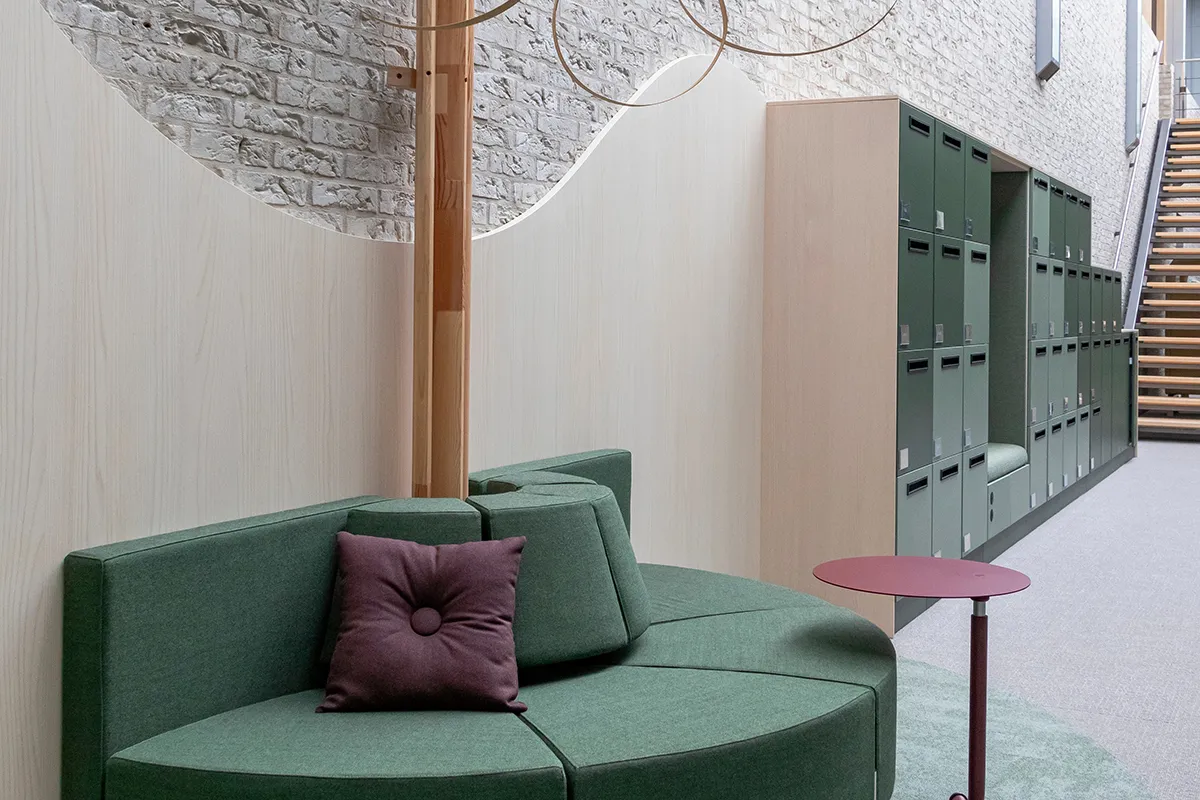
Sustainable circularity
“The second pillar of our philosophy is sustainable circularity. The first step towards achieving this is to choose ergonomic furniture with a long lifespan. Furniture should also be flexible, so you can easily adapt the working environment to changing circumstances and needs. Another factor is whether your furniture can be refurbished, upgraded or adapted. For furniture at the end of its life, we look for circular solutions: either it gets a second life in a new setting, or we help dismantle and recycle it.”

Design with a purpose
“Furniture should be both attractive and functional, and suitable for as many of your employees as possible. We call this inclusive design. We are not led by passing trends: what is fashionable in design today may be out of style in a few years. Above all, we want the design to reflect your company’s DNA. That is why we prefer to design the working environment together with the company we are working for, and strive to match our expertise with the client’s needs and ambitions. Our vision is for design to serve a purpose.”

Ergonomics: an investment that pays off
“Investing in ergonomics, and therefore in wellbeing and health, makes economic sense. Sickness absence falls, and healthy, happy employees are also more productive and efficient. A working environment where employees feel good and work better also enhances your appeal as an employer, helping you retain existing staff and recruit new ones. Finally, and this is no minor point, investing in more flexible office furniture can also reduce your costs, because you do not need to replace it as soon.”
Question about this story? Ask your question
Keep following this
Get an email when a new story is published. No account needed.
- ThemeBuilding with less carbon
- SubjectDirectory