Building sustainably with low-carbon glass and glass recycling
Texte & photos Saint-Gobain Glass
The construction sector faces a major challenge: drastically reducing greenhouse gas emissions. Until now, the main focus has been on reducing operational carbon emissions, which are linked to energy use while a building is in operation. However, another often underestimated source of emissions is attracting increasing attention: embodied carbon.
What is embodied carbon?
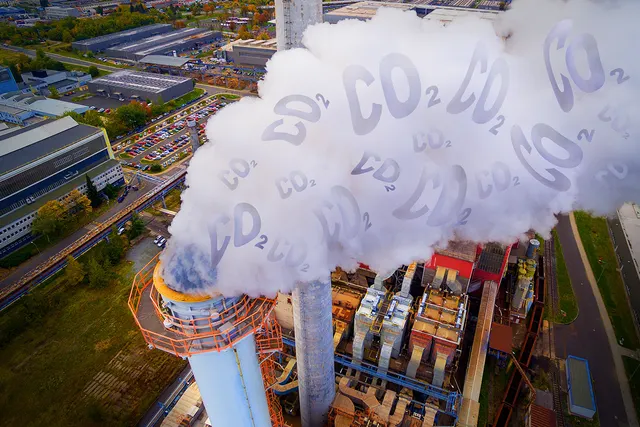
Embodied carbon refers to the CO2 emissions associated with the production, processing and use of construction materials throughout their life cycle, from the extraction of raw materials to the end of their service life. Buildings account for as much as 39% of global energy-related CO2 emissions. Of this, 28% comes from operational emissions linked to energy used for heating, cooling and electricity, while the remaining 11% is caused by the production of materials and construction itself.
For architects, this means that the choice of construction materials plays a crucial role in the sustainability of both new-build and renovation projects. Whether insulating a poorly insulated building, replacing glazing or even renovating a floor, the impact of embodied carbon is permanent. Unlike operational carbon, which can be reduced through energy-efficiency renovations, embodied carbon cannot be undone once emitted.
ORAÉ®: a breakthrough in low-carbon glass
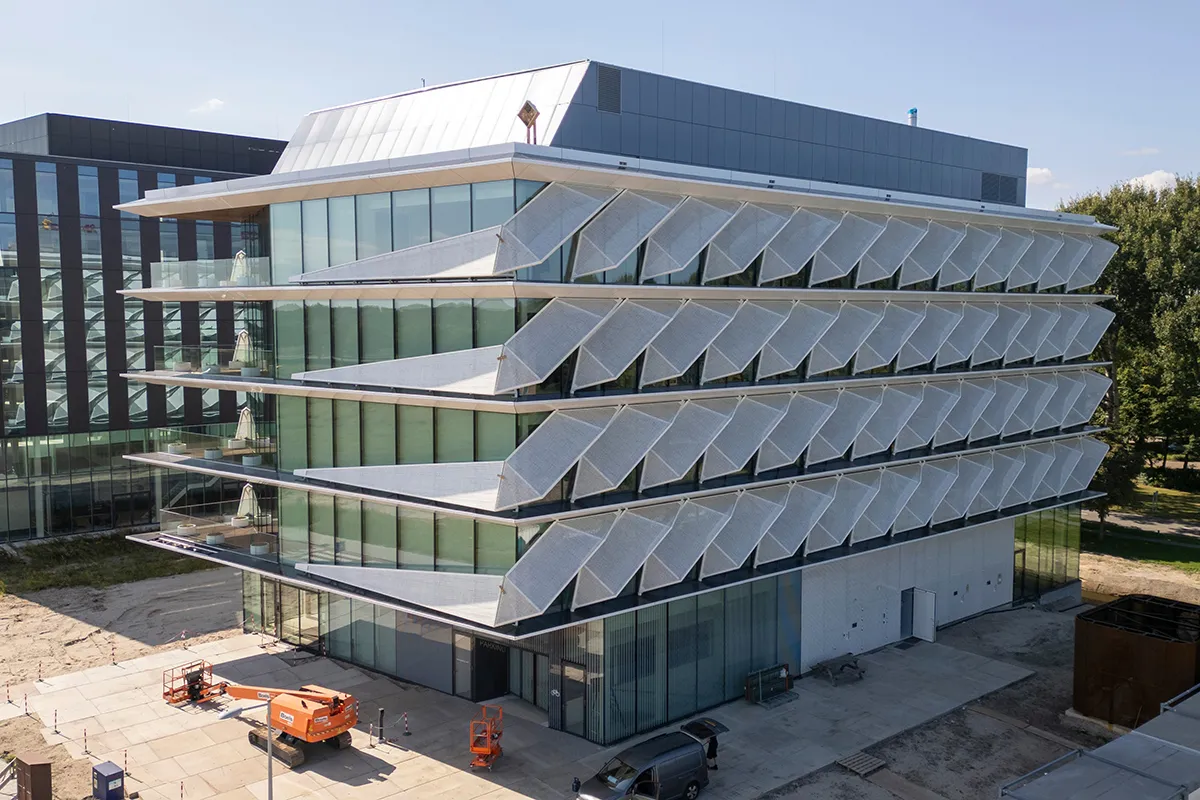
At Saint-Gobain Glass, we have taken on the challenge of decarbonisation. After years of investment in R&D, we reached a breakthrough in 2022 with ORAÉ®. This low-carbon glass combines a high proportion of recycled materials (at least 64% according to ISO14021:1999) with the use of renewable electricity. The result? Glass with an exceptionally low carbon footprint of just 5.88 kg CO2 eq./m² (for 4 mm glass, stages A1-A3). This represents a 42% reduction in carbon footprint compared with traditional float glass, without compromising on aesthetics, technical performance or quality.
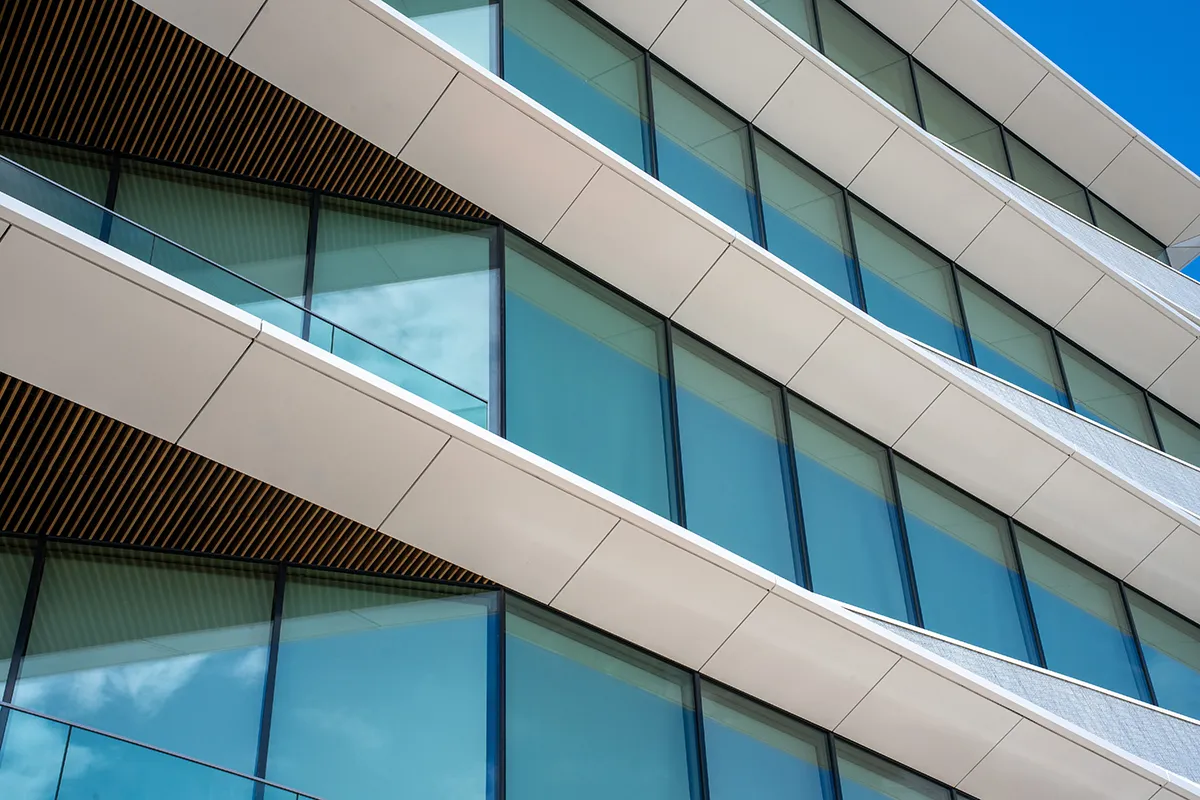
For architects, ORAÉ® offers a practical solution for reducing the embodied carbon of projects while contributing to a circular, sustainable future. What is more, ORAÉ® is compatible with all Saint-Gobain Glass coatings and is available in a range of sizes and thicknesses, making it perfectly suited to a wide variety of design requirements.
ORAÉ®: certified sustainable, an asset for sustainable construction projects
ORAÉ® is not only a breakthrough in low-carbon glass, it is also officially recognised for its sustainability credentials. This base glass is certified with an EPD (Environmental Product Declaration) and has been awarded the prestigious Cradle to Cradle Certified® V4.0 Bronze label. These certifications confirm its environmentally responsible production and ORAÉ®'s contribution to sustainable construction projects.
What is more, ORAÉ® offers a significant advantage for architects and property developers looking to deliver sustainable construction projects. Choosing ORAÉ® makes it much easier to achieve certifications such as BREEAM and LEED, thanks to its low embodied carbon and its approach, which is based on circularity principles. This makes ORAÉ® not only a sustainable choice, but also a strategic one for projects aiming to meet high sustainability standards.
The impact of low-carbon glass in figures
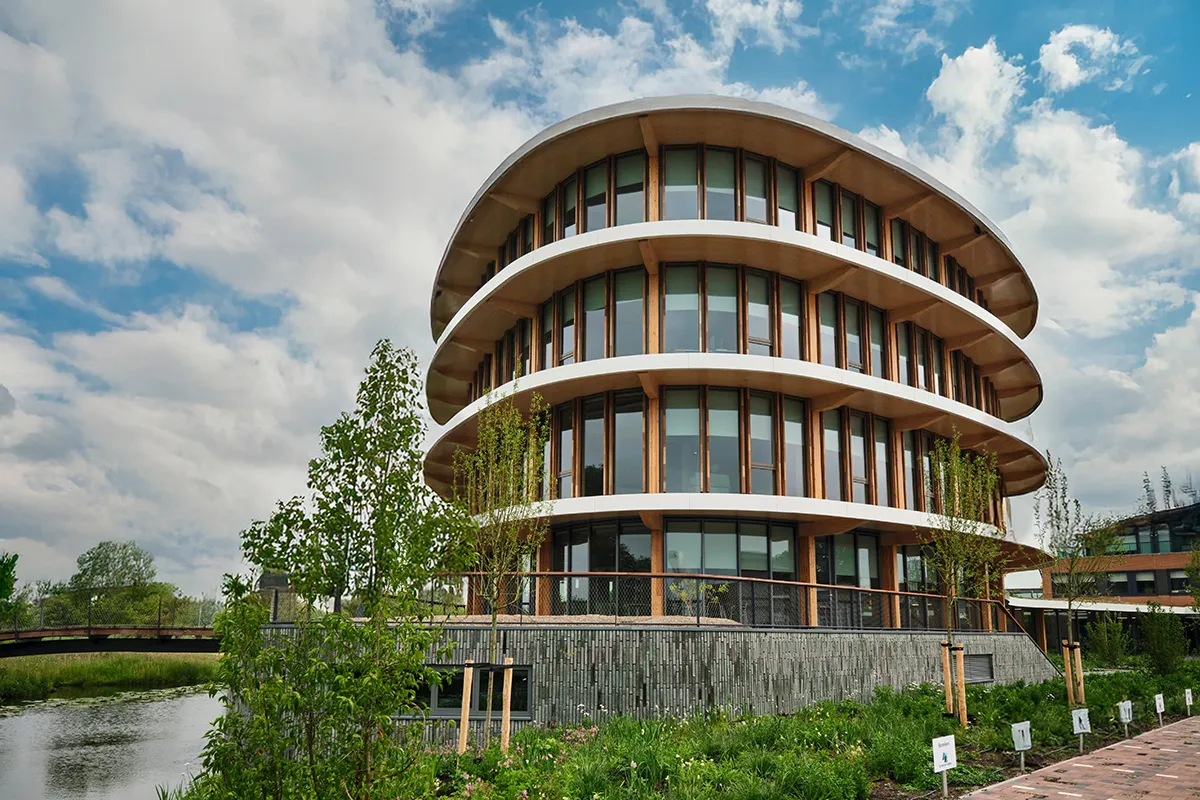
What impact does ORAÉ® have in practice? Take the example of an office building with a 3000 m² glazed façade, made with double laminated glazing. By choosing ORAÉ®, the project's embodied carbon can be reduced by as much as 81 tonnes of CO2 equivalent. Calculation based on glazing type 6#/16/66.2. The CO2 eq. calculation includes not only the glass, but also the complete make-up and production of the double glazing, stages A1-A3, including process-specific production losses. Configure other make-ups at Calumen.com.
Glass recycling: a further step towards sustainability
Alongside the development of ORAÉ®, Saint-Gobain Glass is also committed to glass recycling. Old glazing is collected, recycled and made into high-quality glass. This process reduces the use of primary raw materials. One tonne of glass cullet saves 1.2 tonnes of primary raw materials.
Building a sustainable future together
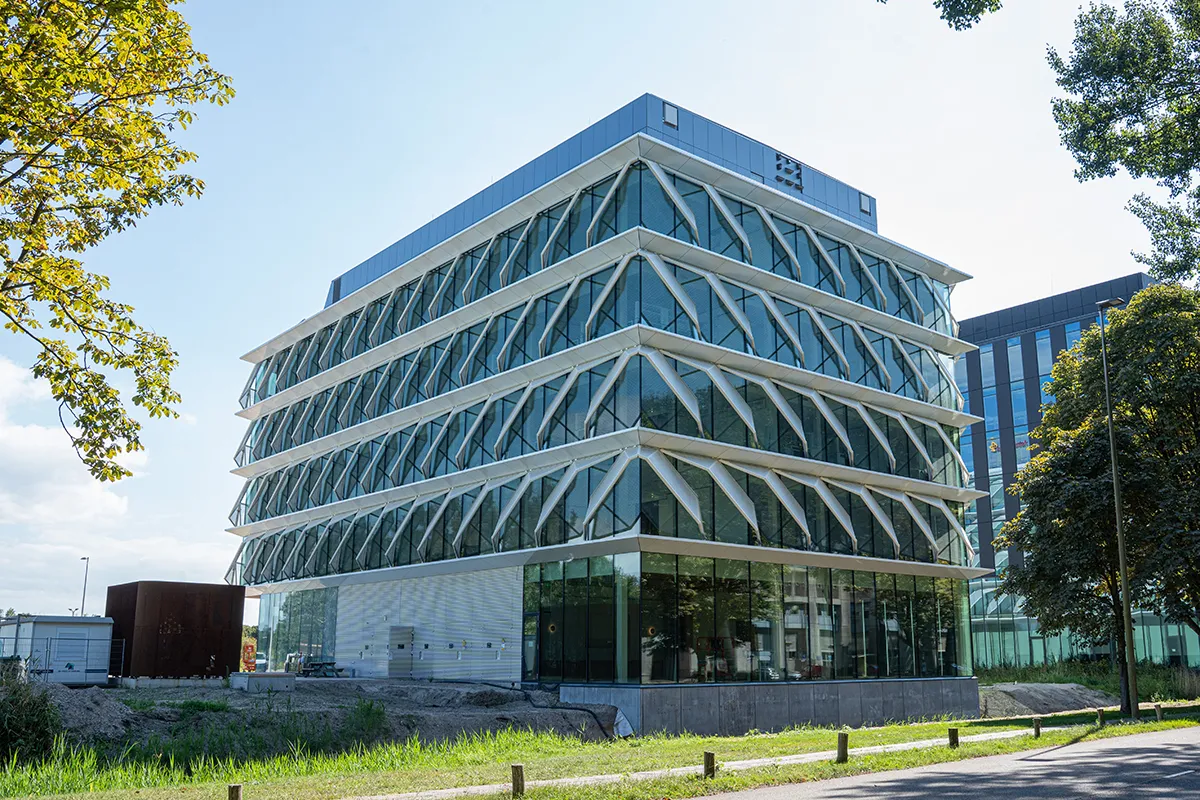
With ORAÉ® and our glass recycling programme, we give architects the tools they need to make sustainable choices without compromising design freedom or quality. By working together, we can significantly reduce the environmental footprint of buildings and contribute to a future where sustainability is a priority.
Would you like to find out more? Discover ORAÉ® and our other sustainable solutions on our website, or configure your glazing at Calumen.com.
Did you know that in 3 years, Saint-Gobain ORAÉ® has enabled:
- The delivery of more than 35 000 tonnes of ORAÉ®
- A reduction of more than 17 000 tonnes of CO2 equivalent
- Global partnerships with Lendlease, McLaren, Hydro, Infinity Repair, MACE, Menuiserie durable
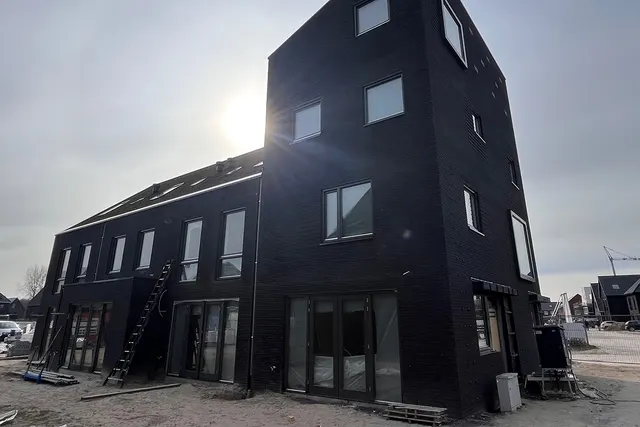
- Numerous construction projects using ORAÉ® glass, including Parel in de Polder in Stolwijk and Kavel F in Amsterdam
Een zakelijke vraag aan Saint-Gobain Glass : Votre partenaire en solutions verrières innovantes et durables? Get in touch
Companies in this story
Keep following this
Get an email when a new story is published. No account needed.
- ThemeBuilding with less carbon
- SubjectSustainable construction
- CompanySaint-Gobain Glass : Votre partenaire en solutions verrières innovantes et durables