Building a more sustainable future with the CO2 Performance Ladder
Texte & photos BENOR
It all began with a simple but ambitious question: how can the construction sector be steered towards more sustainable practices without unnecessarily complicating public procurement procedures?
In the Netherlands, this led to the creation of a pioneering tool in 2009: the CO2 Performance Ladder. The aim? To encourage companies to make tangible cuts to their CO2 emissions and enable public authorities to include this criterion clearly and measurably in their procurement contracts. Fifteen years on, the tool has proved its worth: it has become a widely adopted standard recognised for its effectiveness.
A tool now firmly established in Belgium
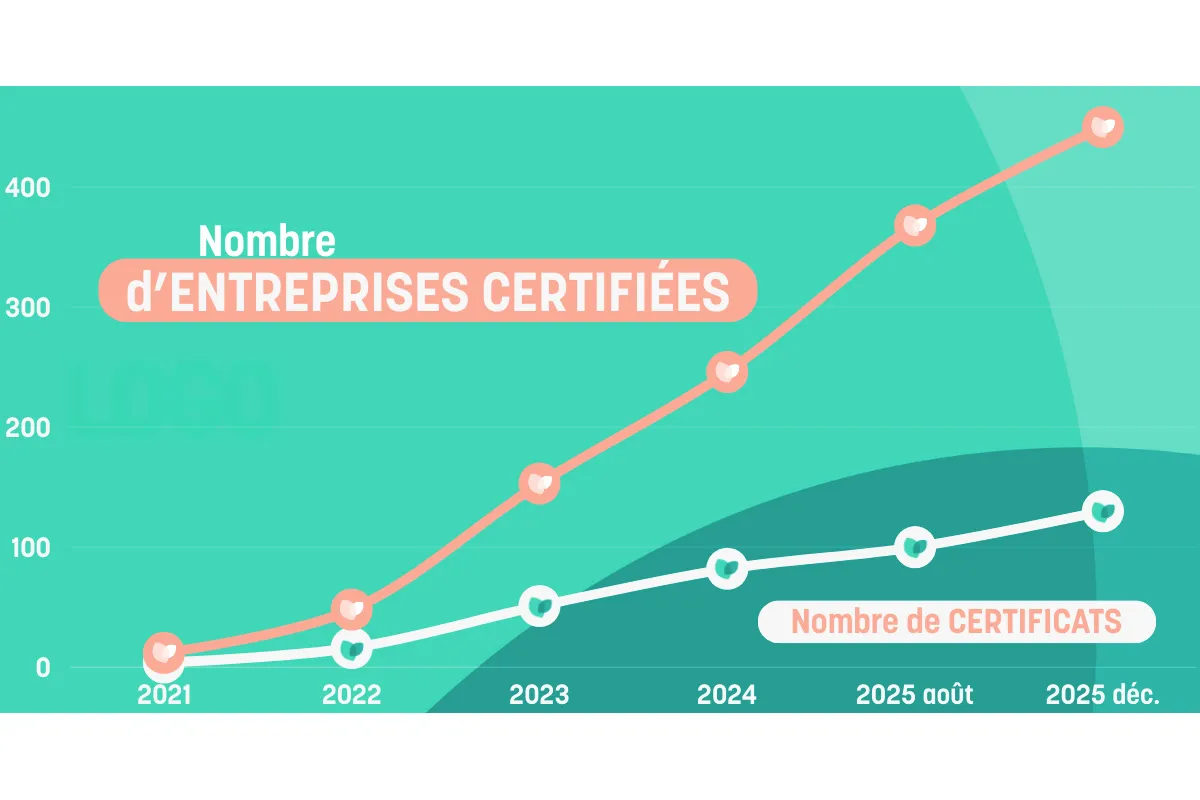
In Belgium, the Ladder was piloted between 2019 and 2023 in collaboration with SPW Mobilité & Infrastructures and the Flemish administration for Mobility and Public Works. No fewer than 33 projects were completed as part of the pilot. The findings are unanimous: the Ladder promotes transparency, drives innovation and enables CO2 emissions to be reduced more quickly.
Following this positive experience, the non-profit organisation BENOR was appointed to oversee the rollout of the tool in Belgium, in collaboration with the Dutch foundation SKAO, which is responsible for its international governance.
How does it work?
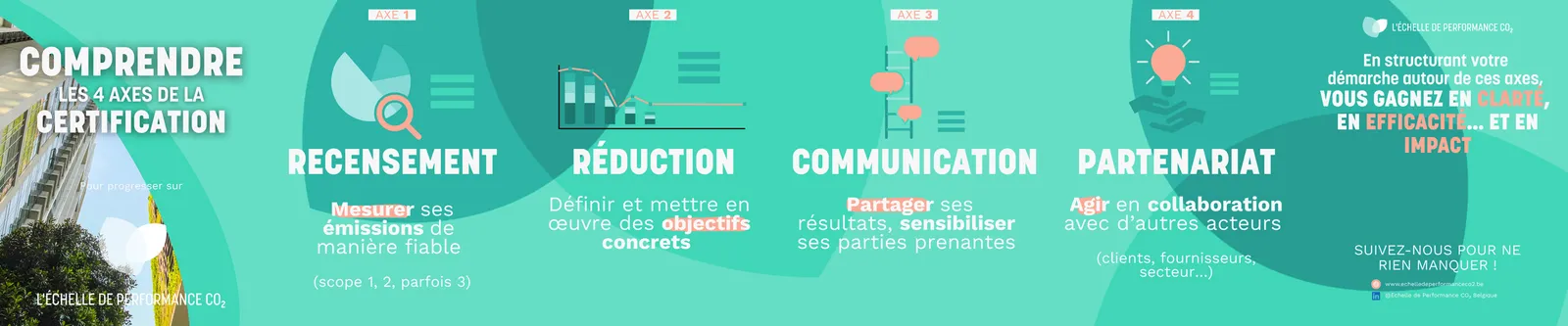
The CO2 Performance Ladder is based on a management system built around four pillars. Each company seeking certification progresses step by step, according to its level of ambition.
1. Taking stock of emissions: an essential first step
You cannot reduce what you do not measure! The first pillar involves drawing up a reliable carbon footprint for the company’s activities. This assessment expands as the level of ambition rises and helps prioritise actions where they will have the greatest impact.
2. Reducing emissions in a structured way
Once the carbon footprint has been established, it is time to act: set specific targets and plan how to meet them. This includes quick wins, such as heating and lighting, as well as more fundamental changes, such as supplier selection.
The Ladder rewards measurable results rather than promises.
3. Communicating transparently
Communication is a key pillar of the climate transition. Certified companies must publish their commitments and results. This transparency builds trust and inspires other organisations to take action.
4. Working with other stakeholders
No one can cut emissions alone! The fourth pillar rewards collaboration: raising awareness among suppliers, taking part in a sector initiative or developing joint projects, such as shared charging points. This multiplies the impact.
A win-win lever
For public authorities, the Ladder is a simple and effective tool: independent auditors carry out the verification, while BENOR provides model clauses and support. Its effectiveness has been scientifically proven: in the Netherlands, certified companies cut their emissions twice as fast as the national average.
For companies, the benefits are numerous: they can structure their climate action, make savings through energy efficiency, gain a competitive advantage in public procurement and strengthen their credibility with clients and partners.
A catalyst for the transition
As the climate transition becomes imperative, the CO2 Performance Ladder is proving to be a pragmatic and positive tool. It encourages action without imposing excessive constraints and recognises companies that make a commitment.
In other words, it is more than a technical tool: it is a catalyst for sustainability in Belgium’s construction and property sectors.
Question about this story? Ask your question
Keep following this
Get an email when a new story is published. No account needed.
- SubjectSustainable construction