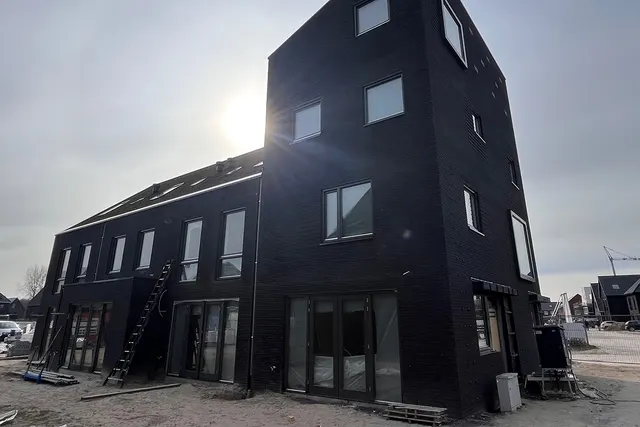
Airtight renovation: cost-effective without going to extremes
Texte Lieke Bousema Photos Bostik

Extensive renovation projects are being undertaken worldwide to meet the sustainability targets set by the Paris climate agreement. In Belgium, homeowners who bought an energy-inefficient house after 1 January 2023 must renovate it to achieve at least energy label D within five years. In line with what is known as the ‘trias energetica’, we need to insulate our homes to minimise heat demand. Making a home more airtight plays a key role in this, as it is not only easy to do, but also pays for itself quickly in terms of both cost and comfort.
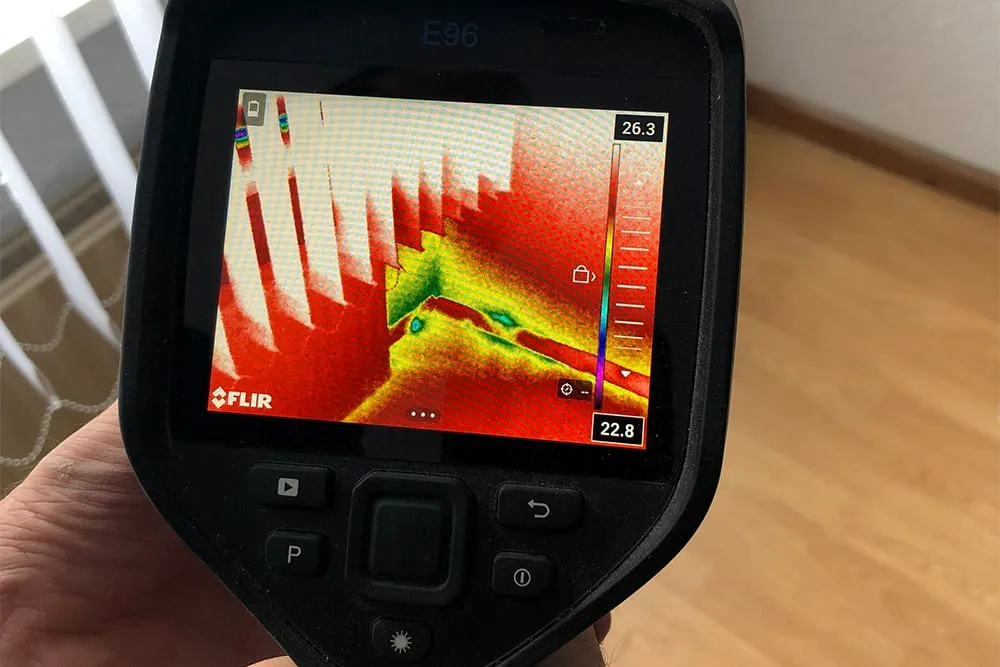
Nick Haring, business developer at Bostik, compares airtight renovation to putting on a good ski jacket. ‘The insulating lining of a ski jacket is both airtight and breathable,’ he explains. ‘This allows excess body moisture to escape in a controlled way. The jacket only works effectively when the zip is closed. If it is open, you immediately feel cold draughts and lose heat unnecessarily. A well-insulated building envelope works in exactly the same way, with airtight seals acting as the zip. This zip is one of Bostik’s specialities.’
Sealing gaps and joints
‘Bostik’s Zwaluw® Construction Airtight product range is designed to create a durable, effective zip,’ continues the business developer. ‘These products can be used to seal all unwanted gaps and joints in a home or building, preventing uncontrolled airflows. In other words, cold outdoor air can no longer enter our warm rooms in unwanted ways, eliminating cold spots and draughts. Unwanted heat loss from indoors to outdoors is also prevented, saving significantly on energy bills and improving thermal comfort. Properly functioning connections and a weather barrier on the outside of the building also prevent water vapour or moisture from penetrating the structure. Insulation measures also help to prevent noise from travelling indoors from outside.’
Airtight solutions
According to Nick Haring, every litre of air that leaks out costs around 1 m³ of gas a year. ‘The three areas in a house most at risk of air leakage are the floor, window frames and roof. It therefore makes sense to tackle these areas first.’
The business developer says the best way to do this is to start with a thorough assessment. ‘Airtight renovation always involves a tailored approach. For each home, it is important to determine which measures can be implemented practically and effectively, with minimal structural work. Bostik can help with this by carrying out a comprehensive survey. We also offer specific airtightness solutions for every detail of the home. For more information on airtight renovation, a comprehensive white paper is available on our website.’
The façade
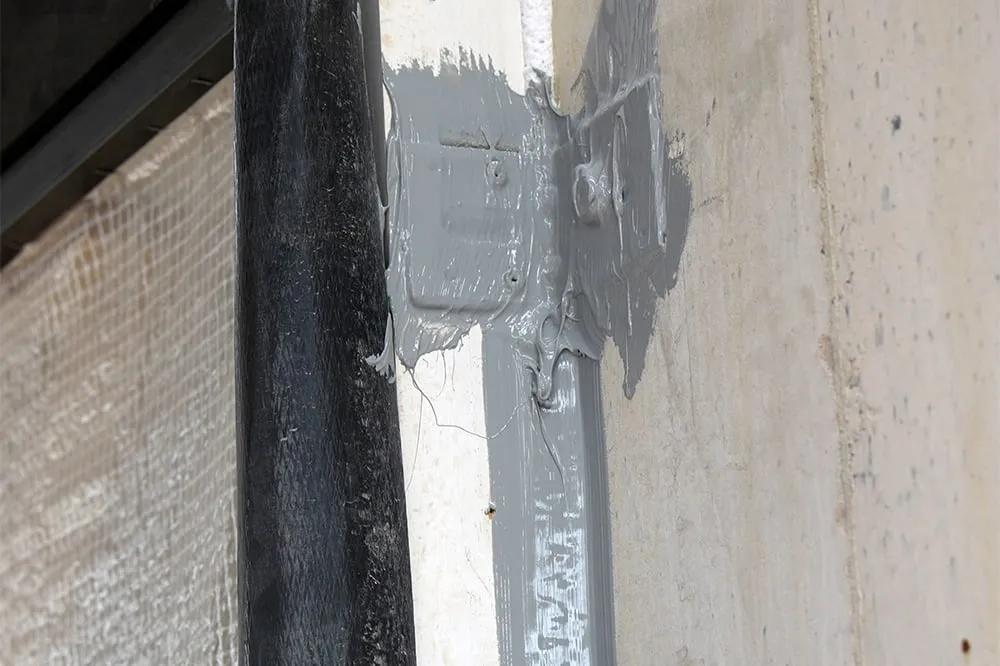
‘A compression seal makes the connection between the window frame and the wall resistant to wind-driven rain. This minimises the primary water load. A compression seal is breathable, allowing moisture to escape rather than build up in the construction,’ explains Nick Haring. ‘Precast concrete and masonry have expansion and connection joints. These joints are covered with a hybrid sealant that stops the primary water load. You can use a backing rod to achieve the right ratio of joint depth to width.’
The floor and roof
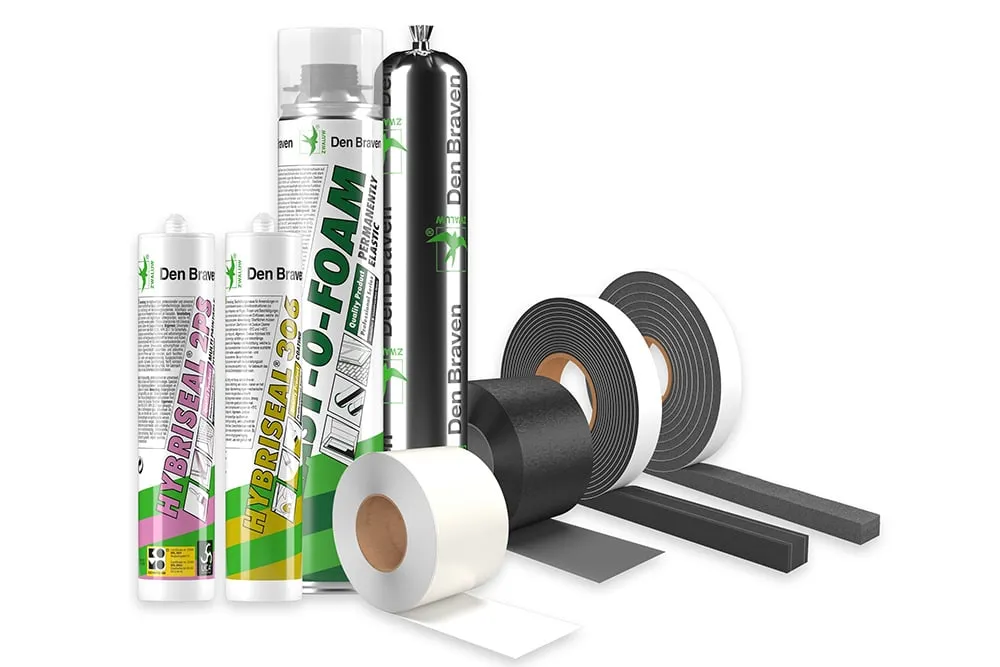
Bostik offers self-adhesive tapes for airtight, watertight and vapour-tight connections between façade elements and supporting structures. ‘These technical tapes are airtight and vapour-tight for interior use, while the exterior-grade version is airtight, vapour-permeable and watertight,’ explains Nick Haring. ‘The wall plate is sealed using flexible PUR foam on both sides. A layer of Zwaluw Hybriseal® 306 is applied over this PUR foam on the inside.’
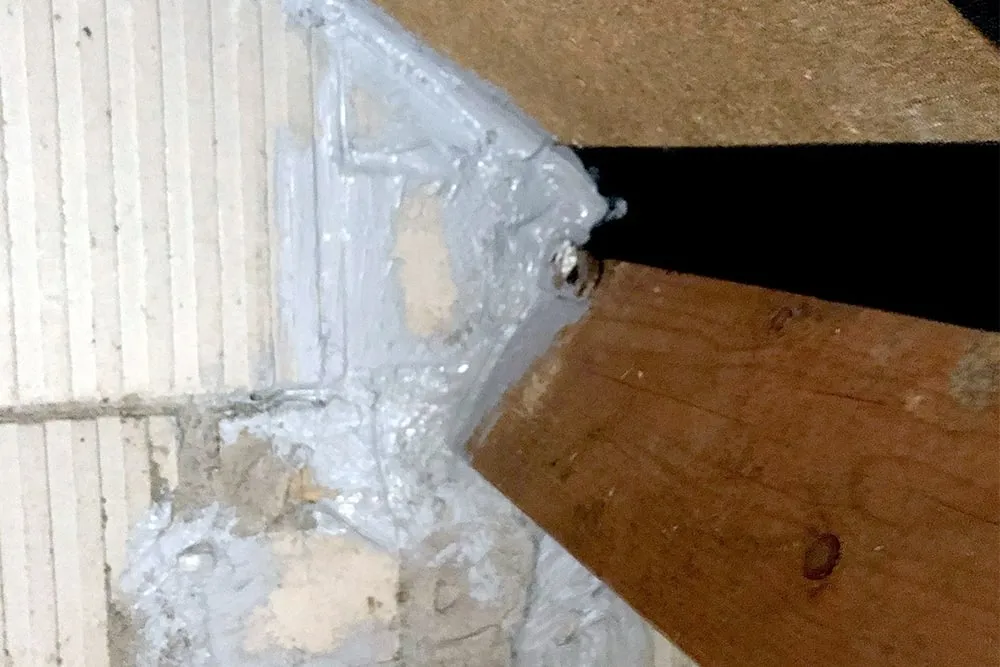
‘For the ridge connection, you can use flexible PUR foam or a good compression seal. For the roof-to-wall connection, Zwaluw’s internal sealing tape is also used. This tape is airtight and vapour-tight, and can be plastered over without a primer. PUR foam is suitable for creating airtight, thermally insulating joints around window frames and between building elements, such as the joint between the ceiling and the wall,’ explains the business developer.
Window subframes
There are several ways to make a window subframe airtight, explains Nick Haring. ‘The gap between the subframe and the structure can be filled with Zwaluw Elast-O-Foam to restore the thermal break. This flexible PUR foam can also improve the sound insulation of the window frame. There are then several options for ensuring good airtightness, such as Zwaluw Hybriseal® 306 sealant, Zwaluw sealing tape, which is vapour-permeable for exterior use, or Zwaluw internal sealing tape, which acts as a vapour barrier indoors. For complex window frames such as sliding doors, airtight foam tape is available. It is airtight and watertight, vapour-permeable and thermally insulating. These products improve the joints’ resistance to wind-driven rain and prevent cold air from entering heated living spaces.’
Glazing
Finally, Nick Haring also recommends sealing the joints between the glazing and the frames, for example with a hybrid sealant. ‘Cold air will no longer be able to enter warm rooms, making your home even more comfortable, pleasant and energy-efficient,’ he concludes.
A business enquiry for Bostik Benelux? Get in touch
Companies in this story

Keep following this
Get an email when a new story is published. No account needed.
- ThemeRenovating existing buildings
- SubjectSustainable construction
- CompanyBostik Benelux